
Tomorrow
MahaparvaDashami (10th Lunar Tithi)
Vijayadashami (Dussehra)
विजयादशमी
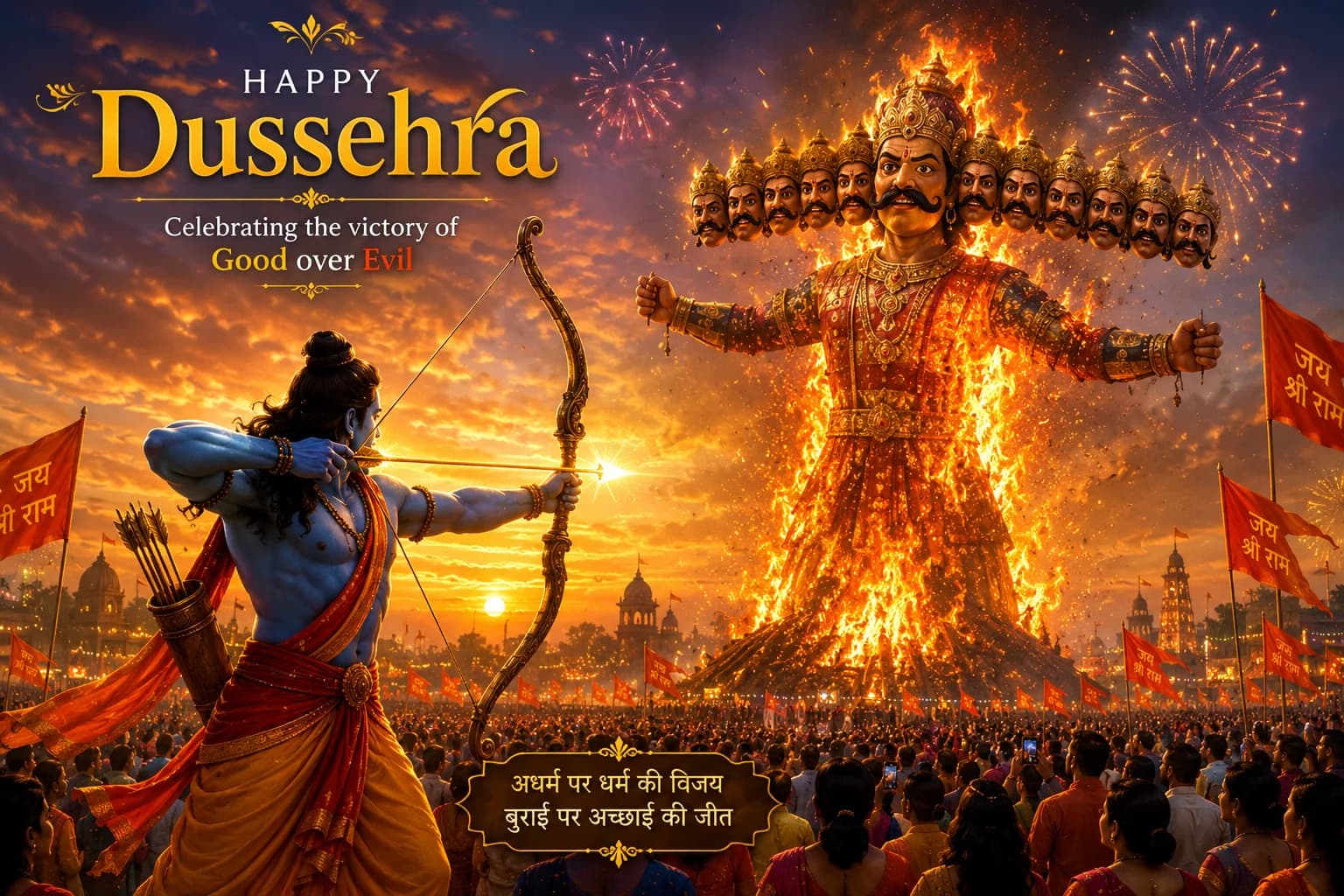
Vijayadashami (Dussehra) celebrates the victory of Lord Rama over Ravana and Goddess Durga over Mahishasura, symbolizing the triumph of Good over Evil.
Discover the stories, significance, rituals, and traditions behind Hindu festivals. Explore upcoming celebrations, understand their spiritual meaning, and experience India's rich diversity of festive traditions.
Every Celebration a Living Portal to the Divine.
तिथि • नक्षत्र • ऋतु संवत्सर — The Living Rhythm of Sanatan Utsav
Observances calculated with astronomical rigor, aligning lunar tithis and solar transitions with local sunrise.
Vijayadashami (Dussehra) celebrates the victory of Lord Rama over Ravana and Goddess Durga over Mahishasura, symbolizing the triumph of Good over Evil.
Sharad Purnima is the night of 16 full celestial digits (Shodasha Kala) when moonlight rains nectar. Devotees prepare rice kheer under moonlight and celebrate Radha-Krishna Maha Raas.
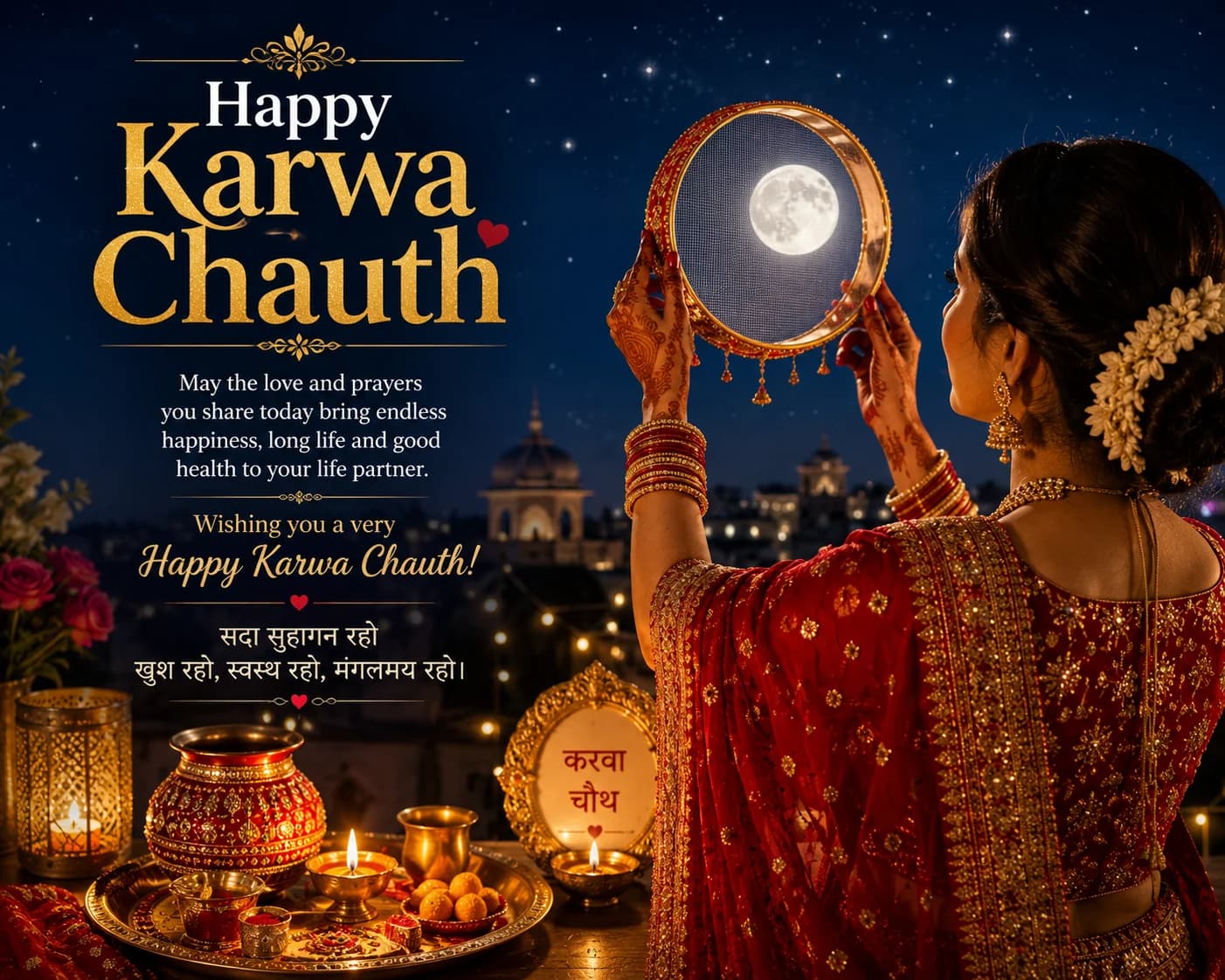
Karwa Chauth is a sacred day-long Nirjala (waterless) fast observed by married Hindu women for the health, longevity, and prosperity of their husbands.
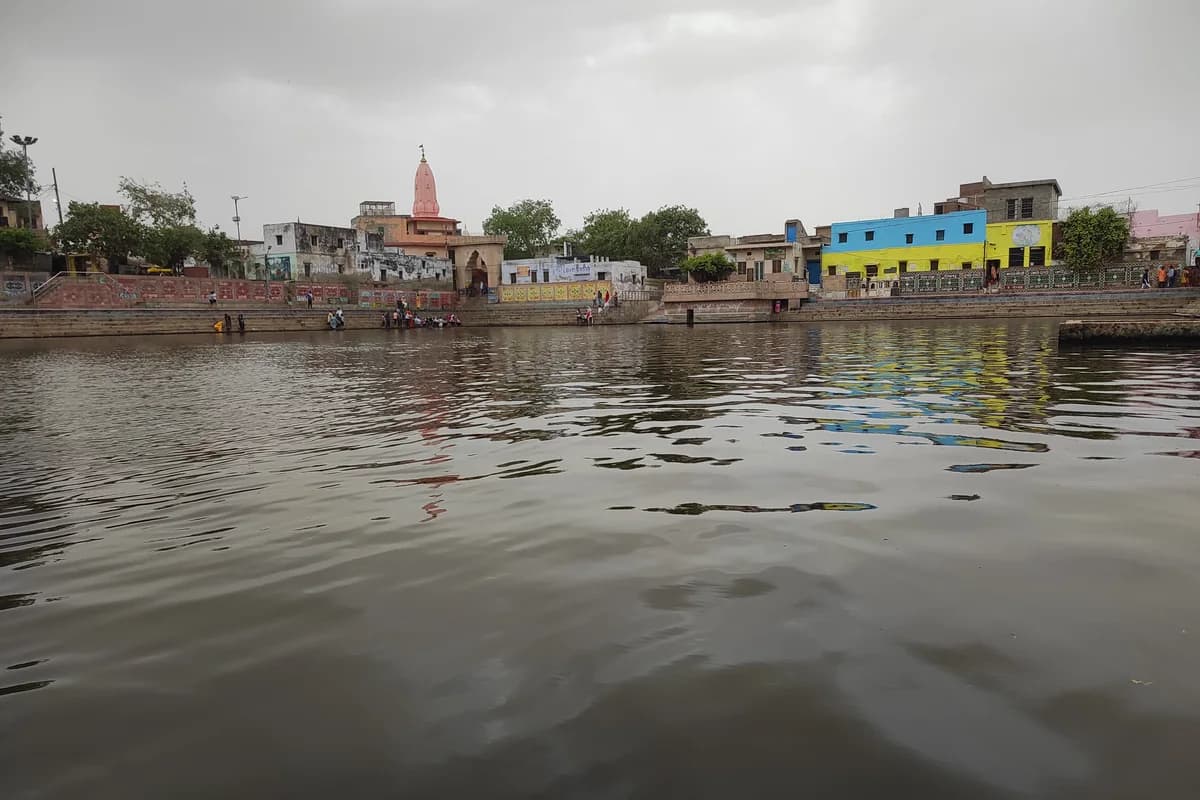
Ahoi Ashtami is a traditional fast observed by mothers on Kartik Krishna Ashtami for the longevity, health, and well-being of their children.
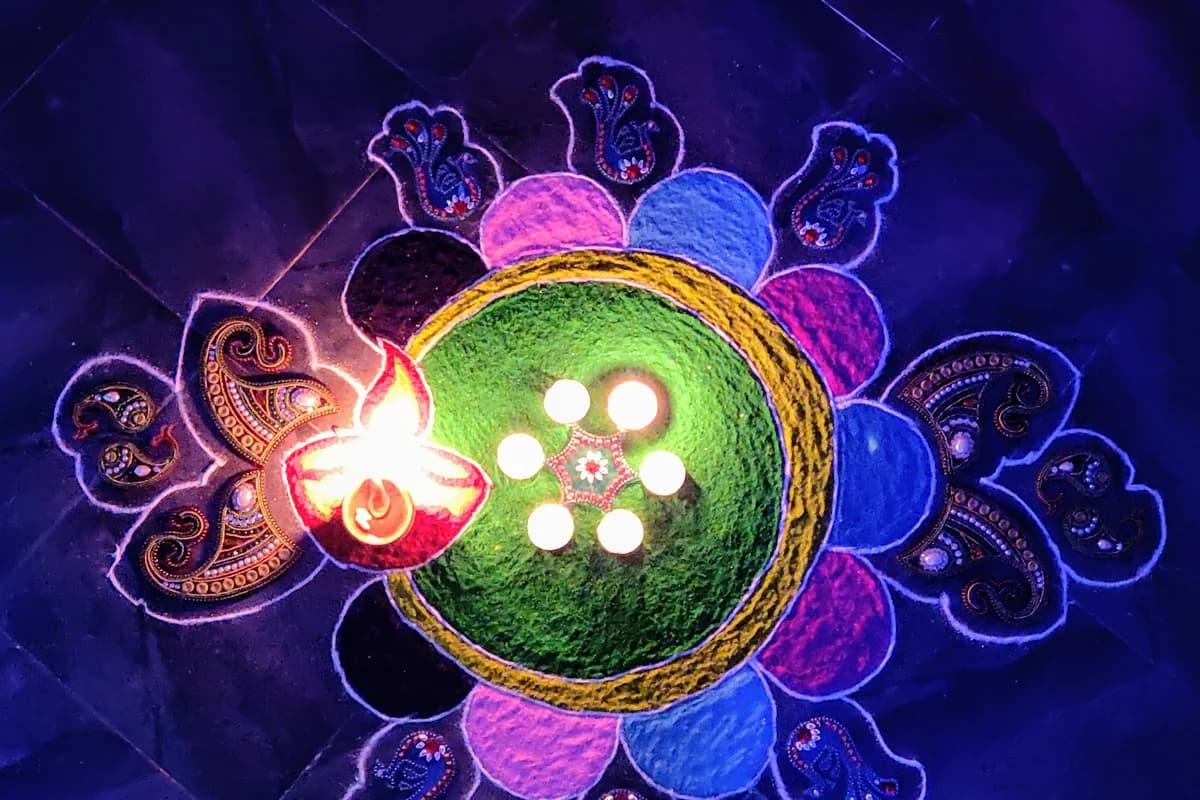
Dhanteras marks the first day of 5-day Diwali, celebrating the appearance of Lord Dhanvantari (God of Ayurveda) during Samudra Manthan with the Amrita Kalash.
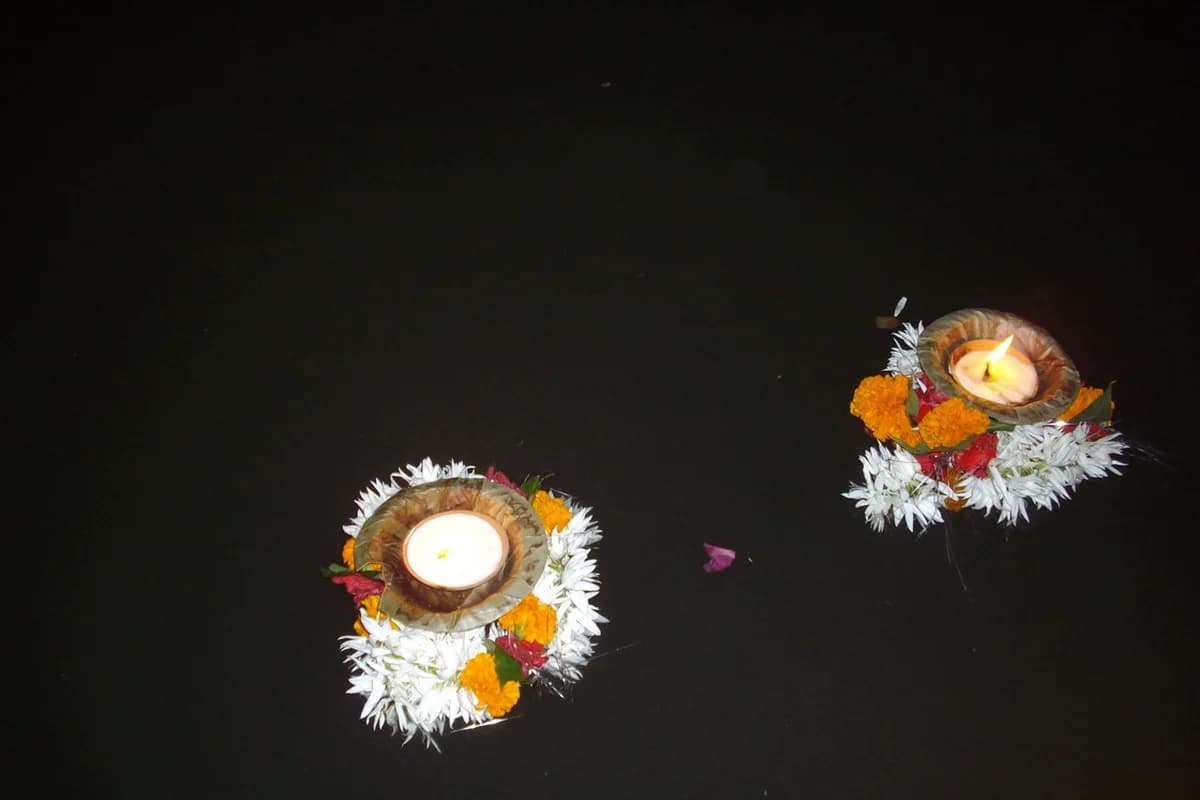
Naraka Chaturdashi (Chhoti Diwali) commemorates Lord Krishna and Satyabhama vanquishing the demon Narakasura and liberating 16,000 princesses.
Filter across major annual celebrations, fasting disciplines (vrats), seasonal solar transits, and rich regional traditions.
Ahoi Ashtami is a traditional fast observed by mothers on Kartik Krishna Ashtami for the longevity, health, and well-being of their children.
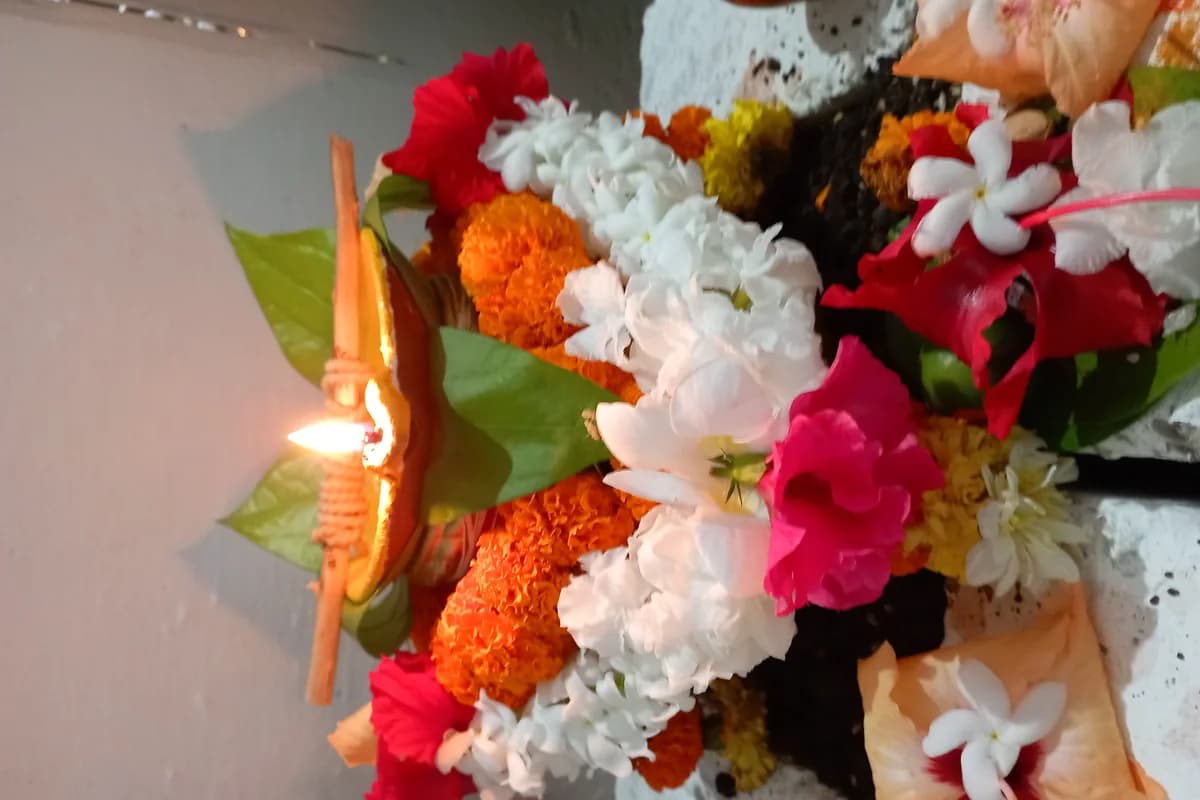
Akshaya Tritiya is an auspicious day of eternal, imperishable merit ('Akshaya'), marking the descent of River Ganga to Earth, birth of Lord Parashurama, and Kubera receiving divine wealth.
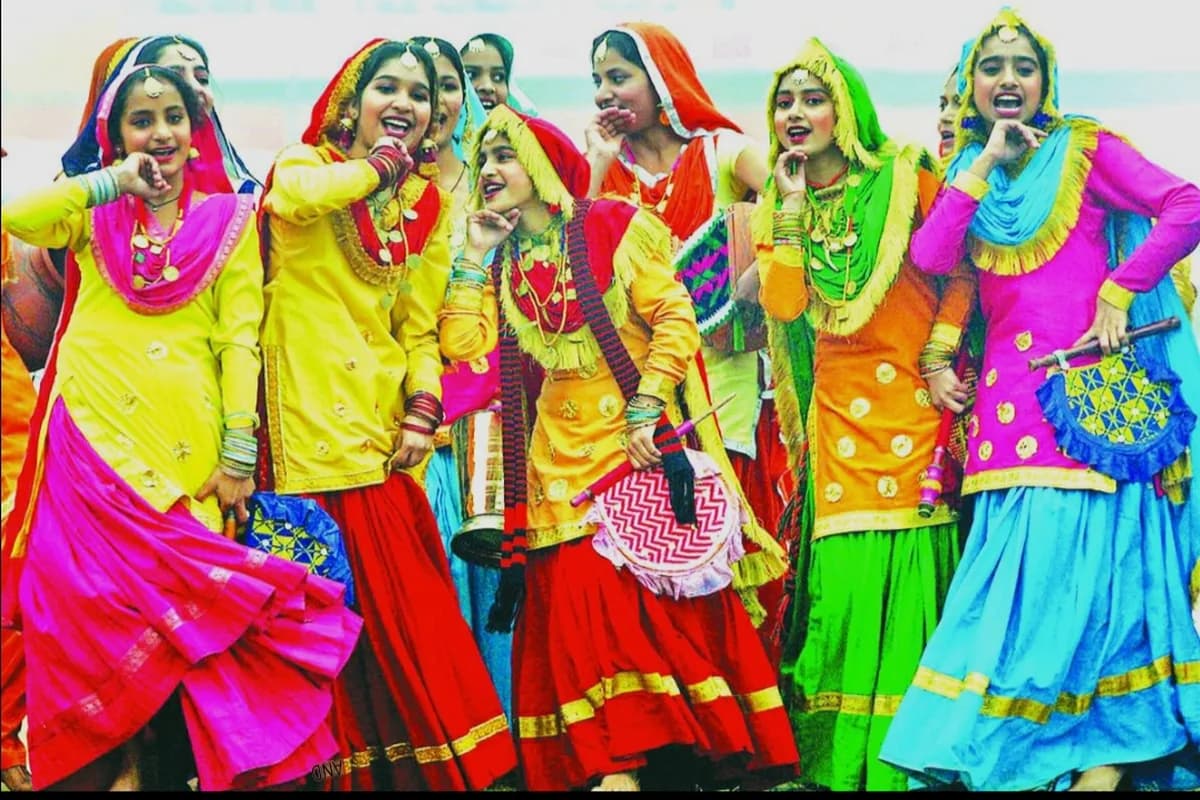
Baisakhi marks the spring harvest festival of Punjab and the Solar New Year, as well as the historical establishment of the Khalsa Panth by Guru Gobind Singh Ji in 1699.
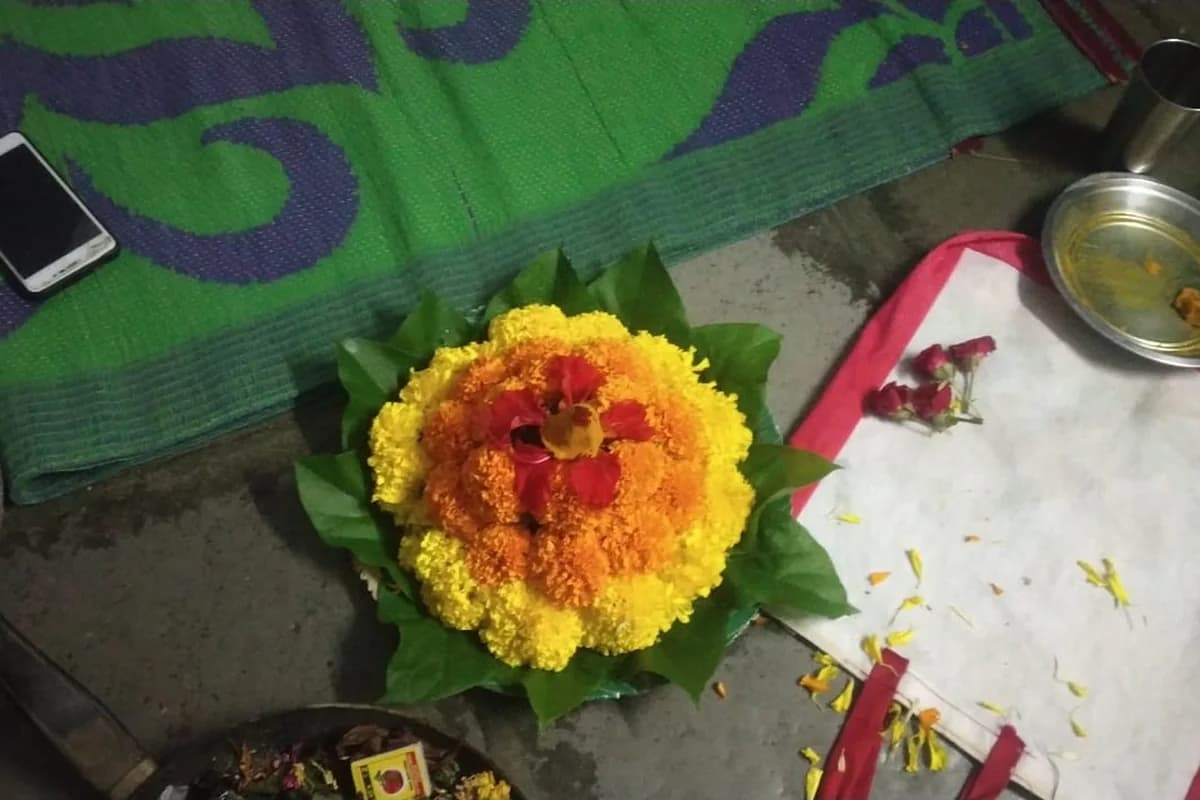
Bathukamma is Telangana's iconic 9-day floral festival celebrated by women during Sharad Navratri, worshiping Goddess Maha Gauri with concentric mounds of seasonal wildflowers.
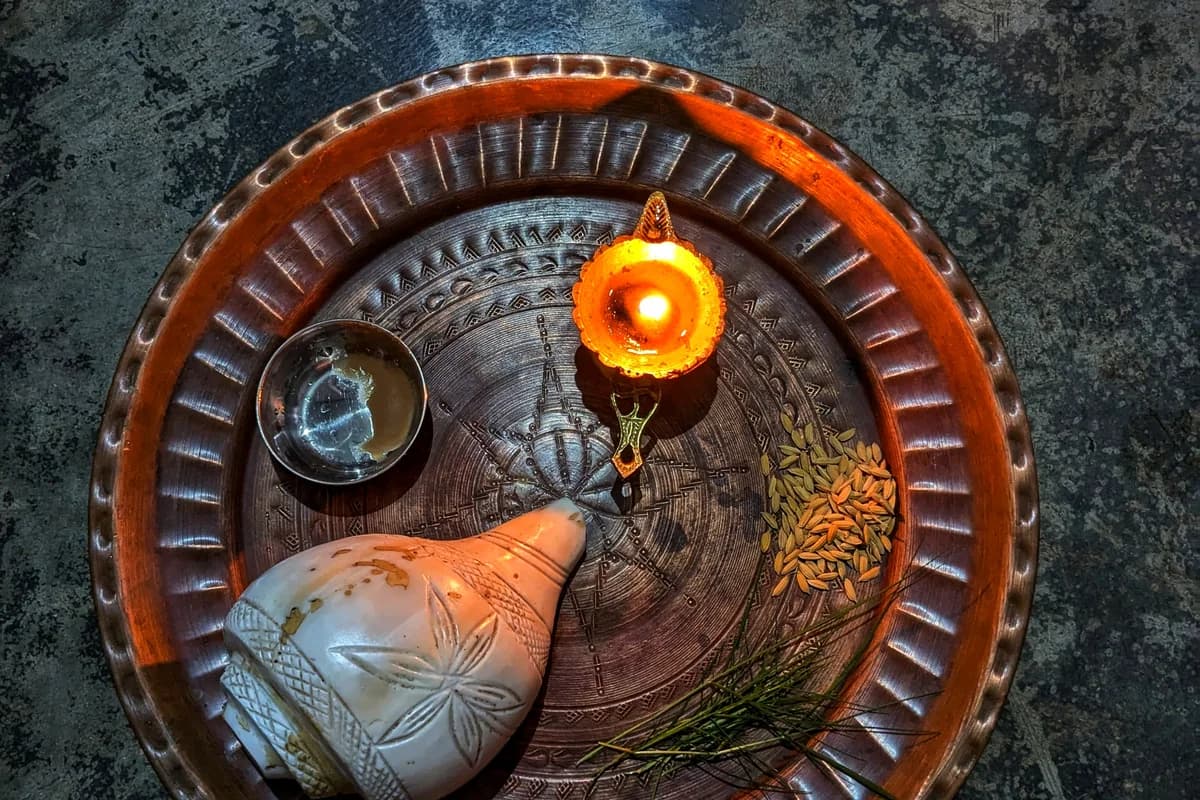
Bhai Dooj concludes the 5-day Diwali festival, celebrating the eternal bond between brother and sister inspired by Goddess Yamuna welcoming Her brother Lord Yama.
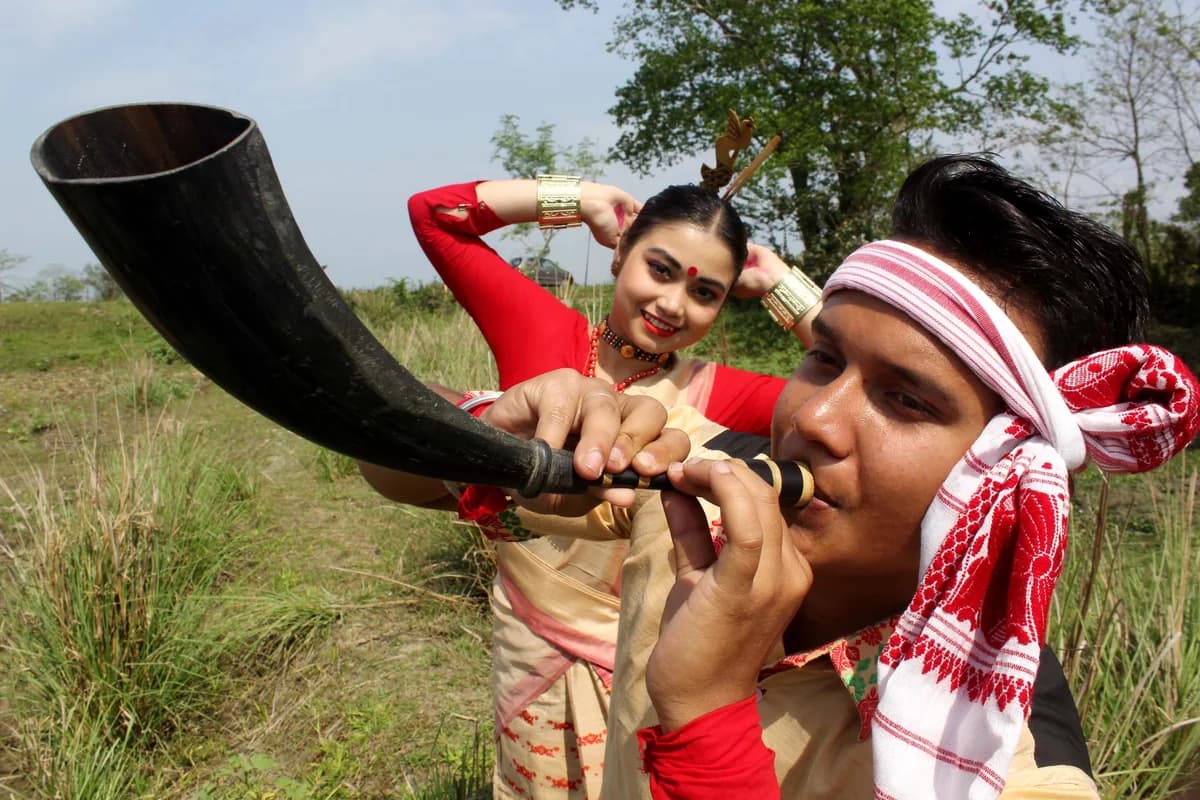
Bohag Bihu (Rongali Bihu) is the chief vibrant agricultural New Year festival of Assam, celebrating spring sowing with traditional Bihu folk dance and buffalo horn pipe music (Pepa).
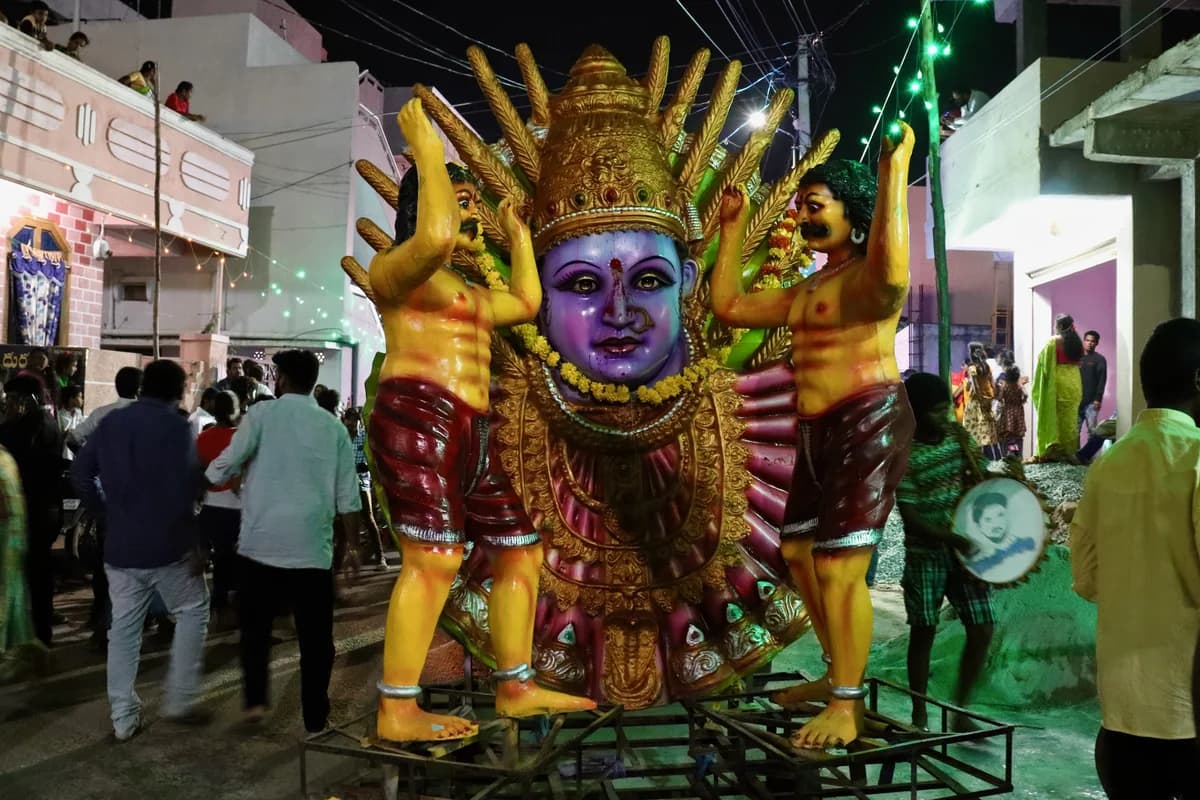
Bonalu is a major festival of Telangana in Ashadha month where women carry decorated brass pots (Bonam) containing cooked rice, jaggery, and milk on their heads to worship Goddess Mahakali.
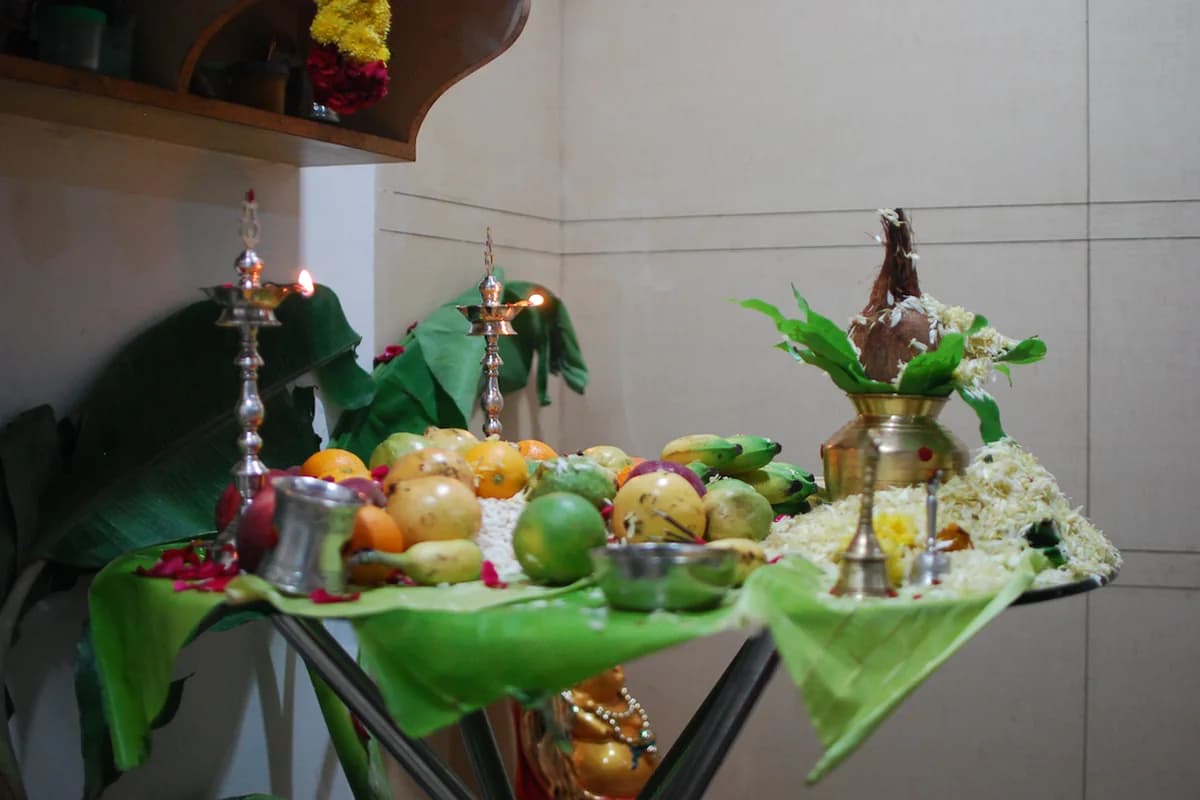
Chaitra Navratri marks the spring 9-night adoration of Goddess Durga, beginning on the Hindu New Year (Chaitra Pratipada) and culminating in Shri Ram Navami.
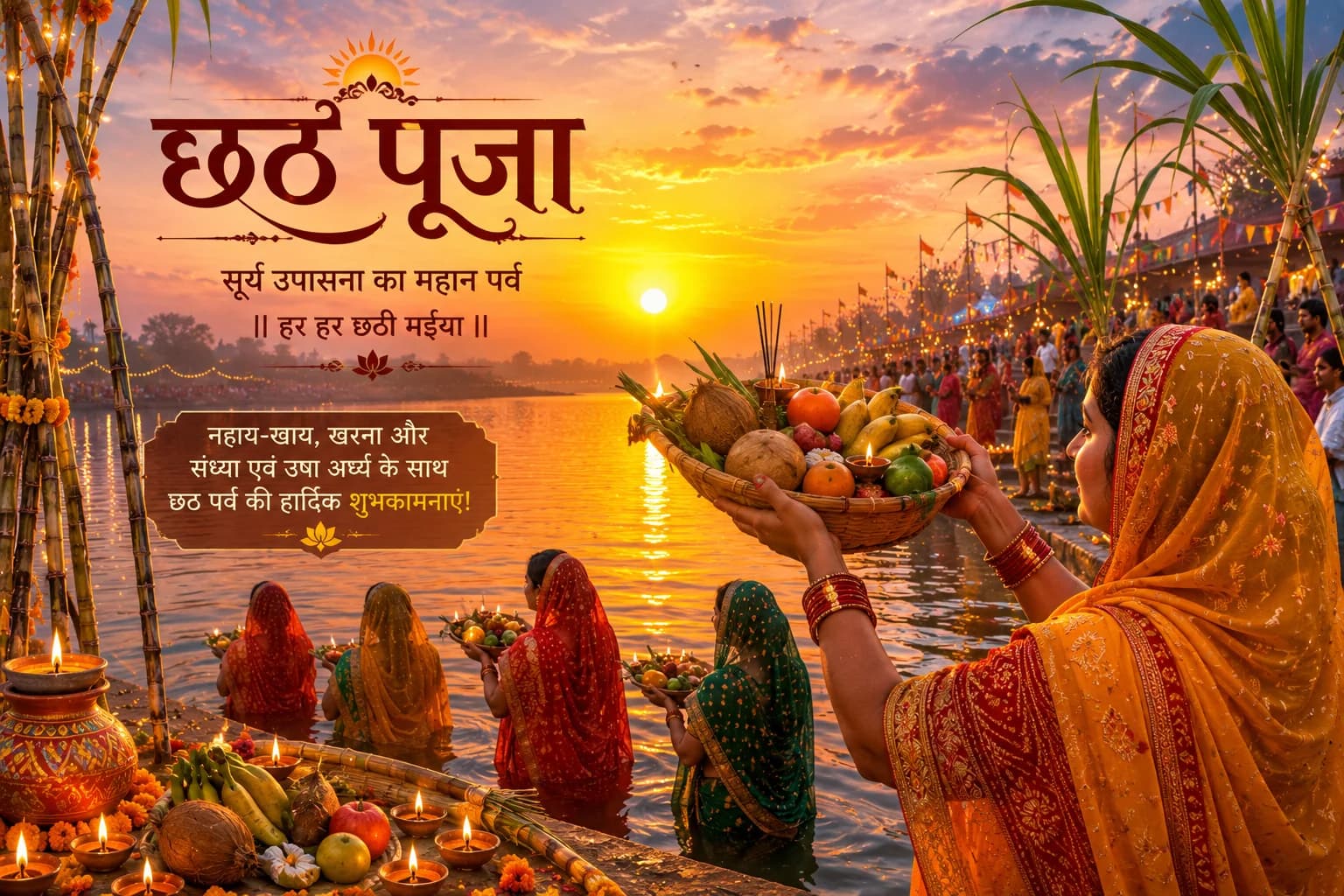
Chhath Puja is an ancient 4-day Vedic festival dedicated to the Sun God (Surya) and Chhathi Maiya (Usha/Pratyusha), celebrated without priest intermediaries through strict fasts and river arghya offerings.
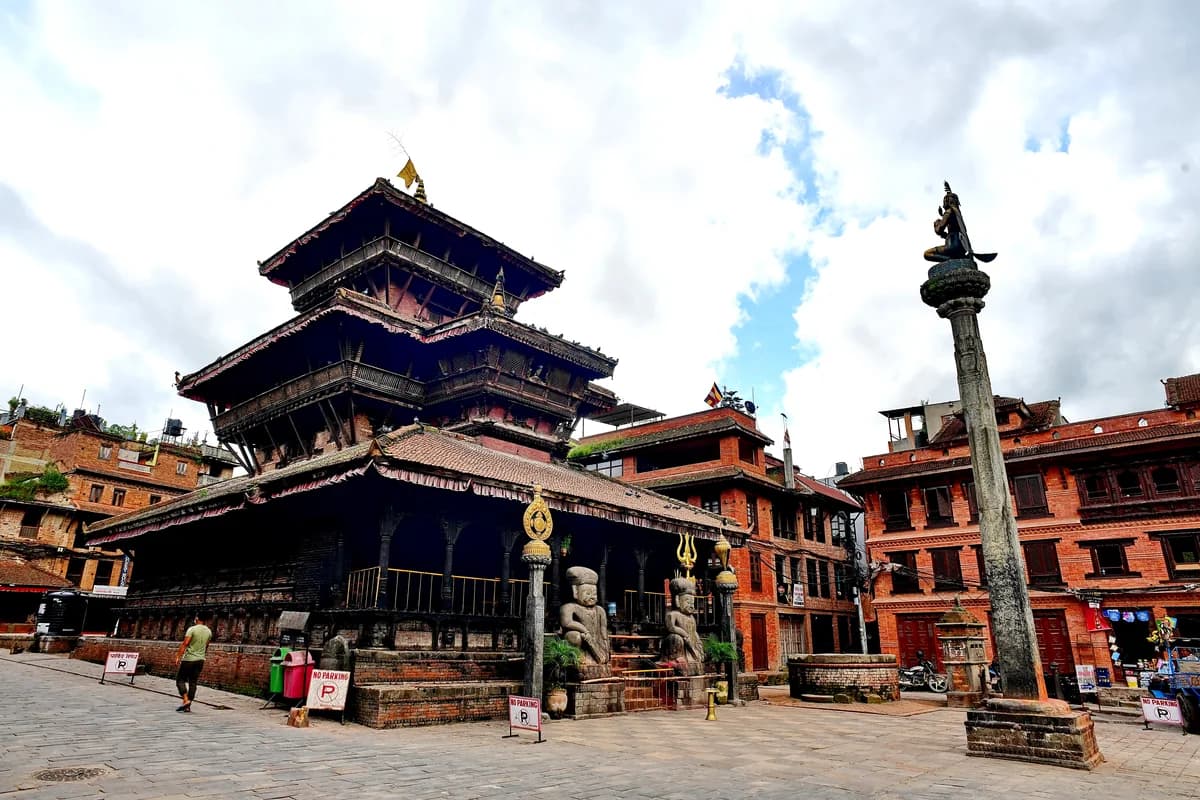
Dattatreya Jayanti celebrates the divine birth of Lord Dattatreya, the unified incarnation (Trideva Avatar) of Brahma, Vishnu, and Shiva, born to Maharshi Atri and Mata Anasuya.
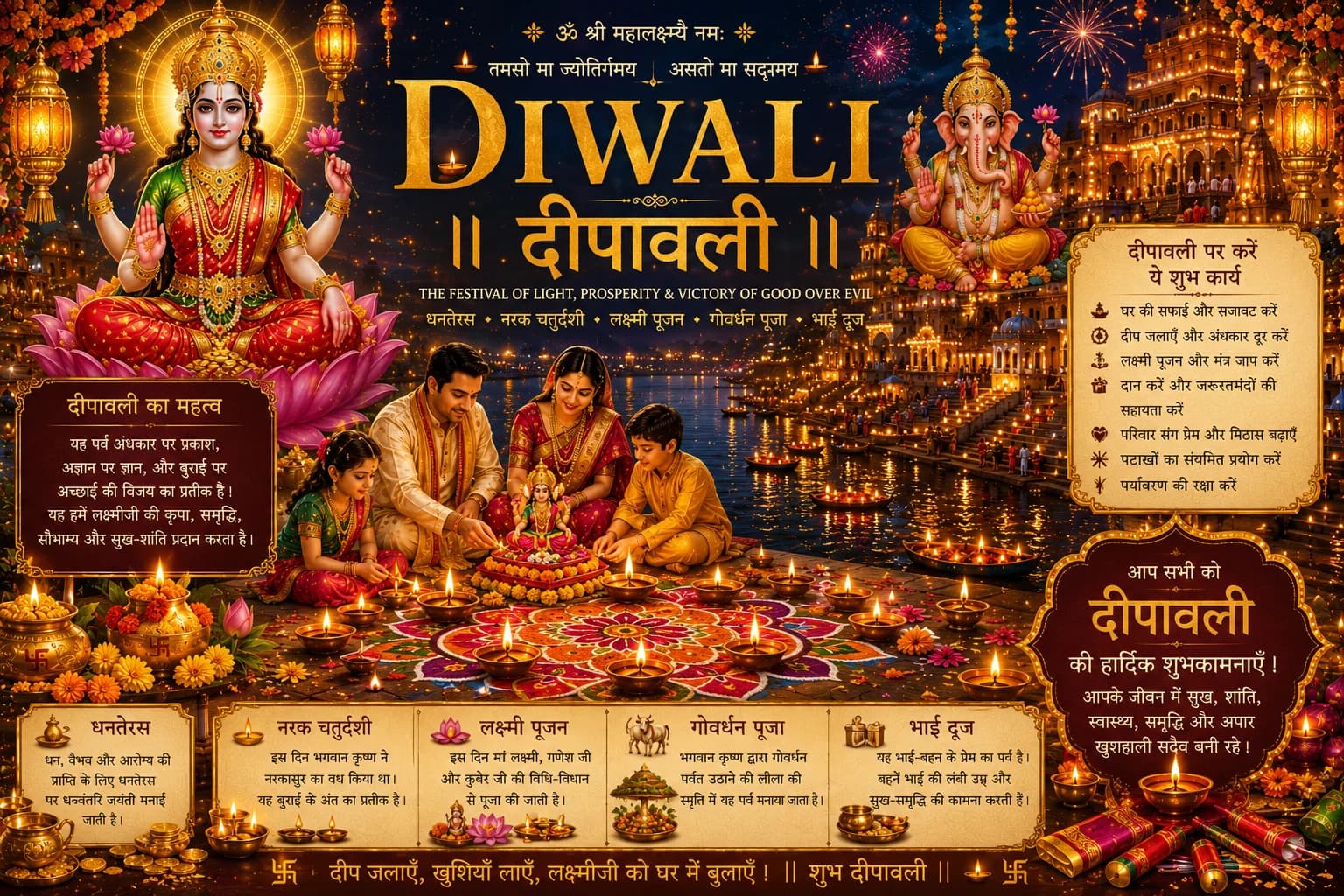
Deepavali is the supreme five-day Vedic mahaparva celebrating the victory of transcendent spiritual light over cosmic obscurity, sovereign Dharma over adharma, and sacred gnosis over ignorance.
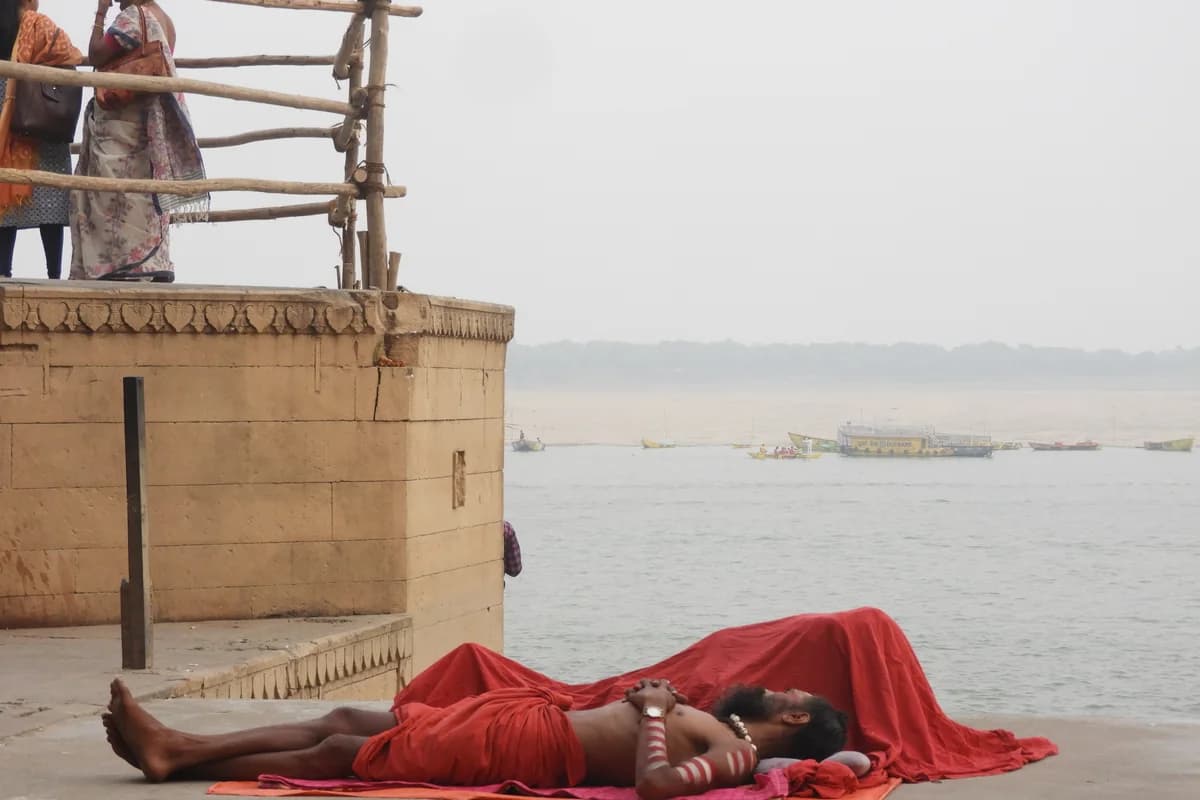
Dev Deepawali is the 'Diwali of the Gods' celebrated on Kartik Purnima in Varanasi (Kashi), where all 84 Ghats of the sacred Ganga are lit with over a million clay Diyas.
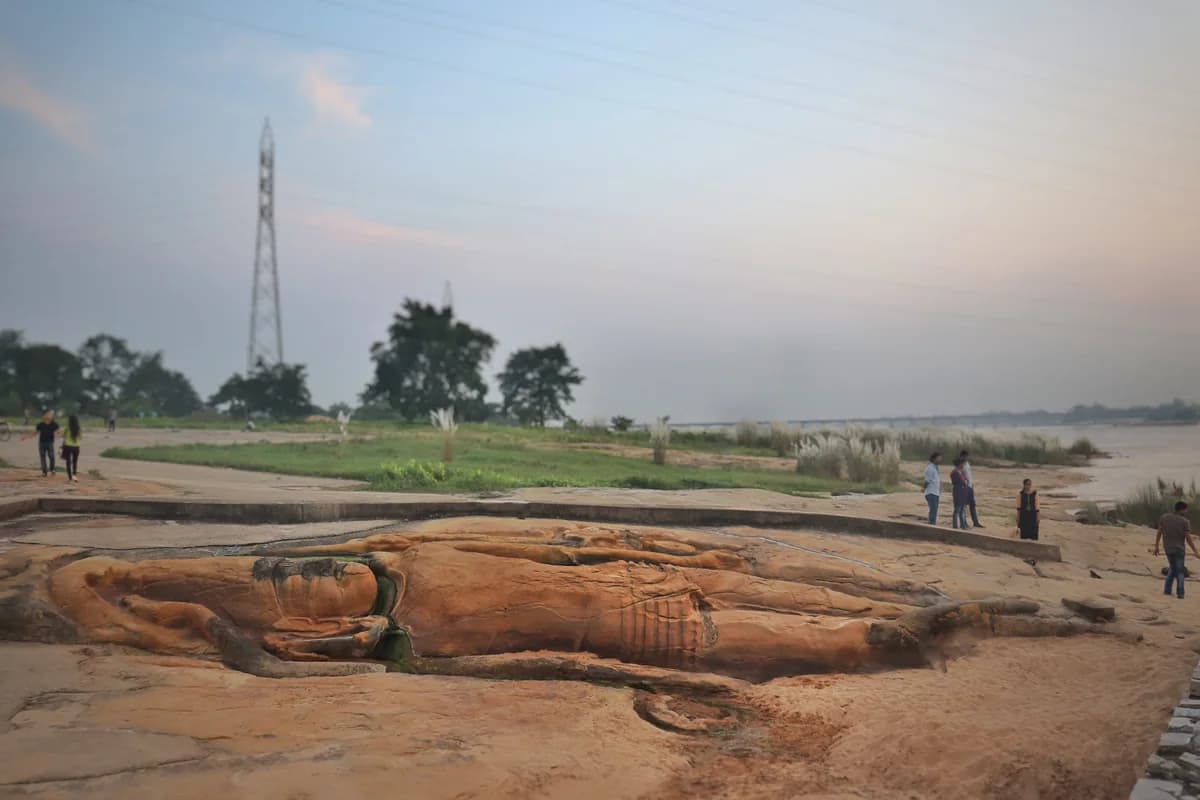
Dev Shayani Ekadashi marks the day Lord Vishnu enters a 4-month cosmic slumber (Chaturmas) in Ksheera Sagara, and culminates in the famous Pandharpur Wari procession in Maharashtra.
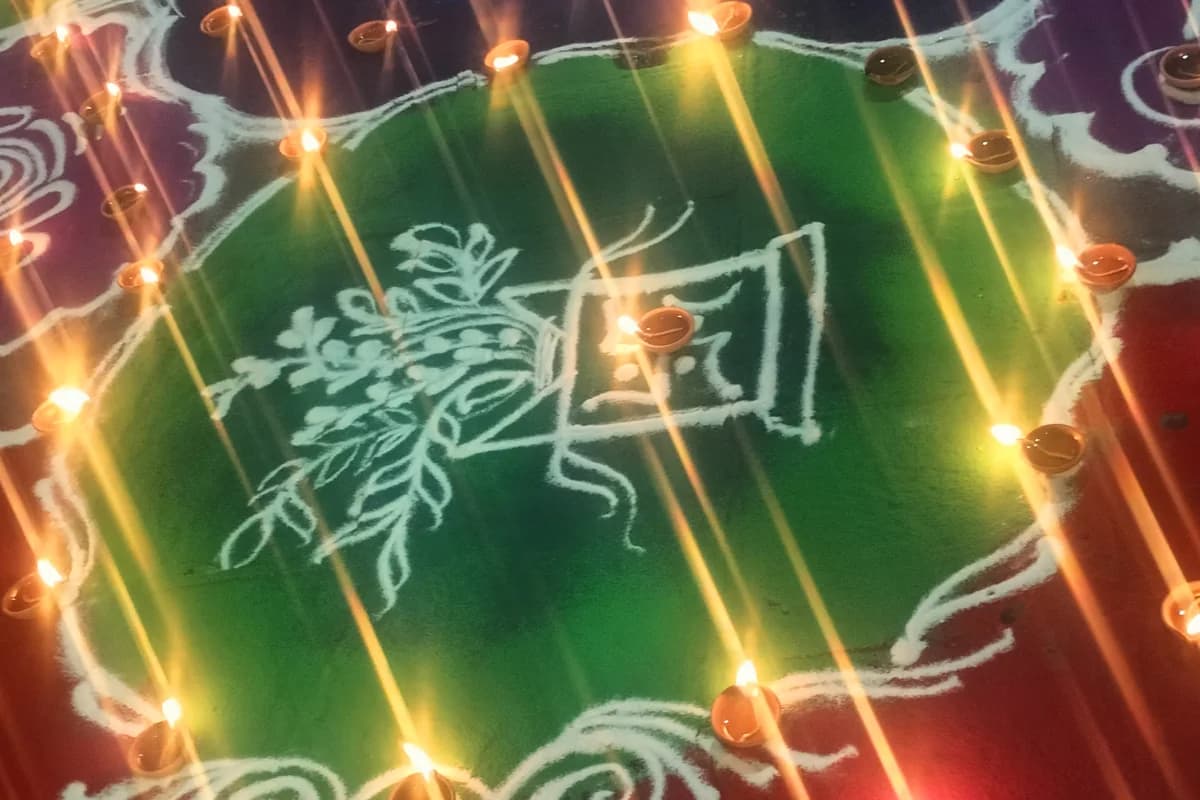
Dev Utthani Ekadashi (Prabodhini Ekadashi) marks the awakening of Lord Vishnu from His 4-month cosmic slumber, ending Chaturmas and opening auspicious wedding functions.
Dhanteras marks the first day of 5-day Diwali, celebrating the appearance of Lord Dhanvantari (God of Ayurveda) during Samudra Manthan with the Amrita Kalash.
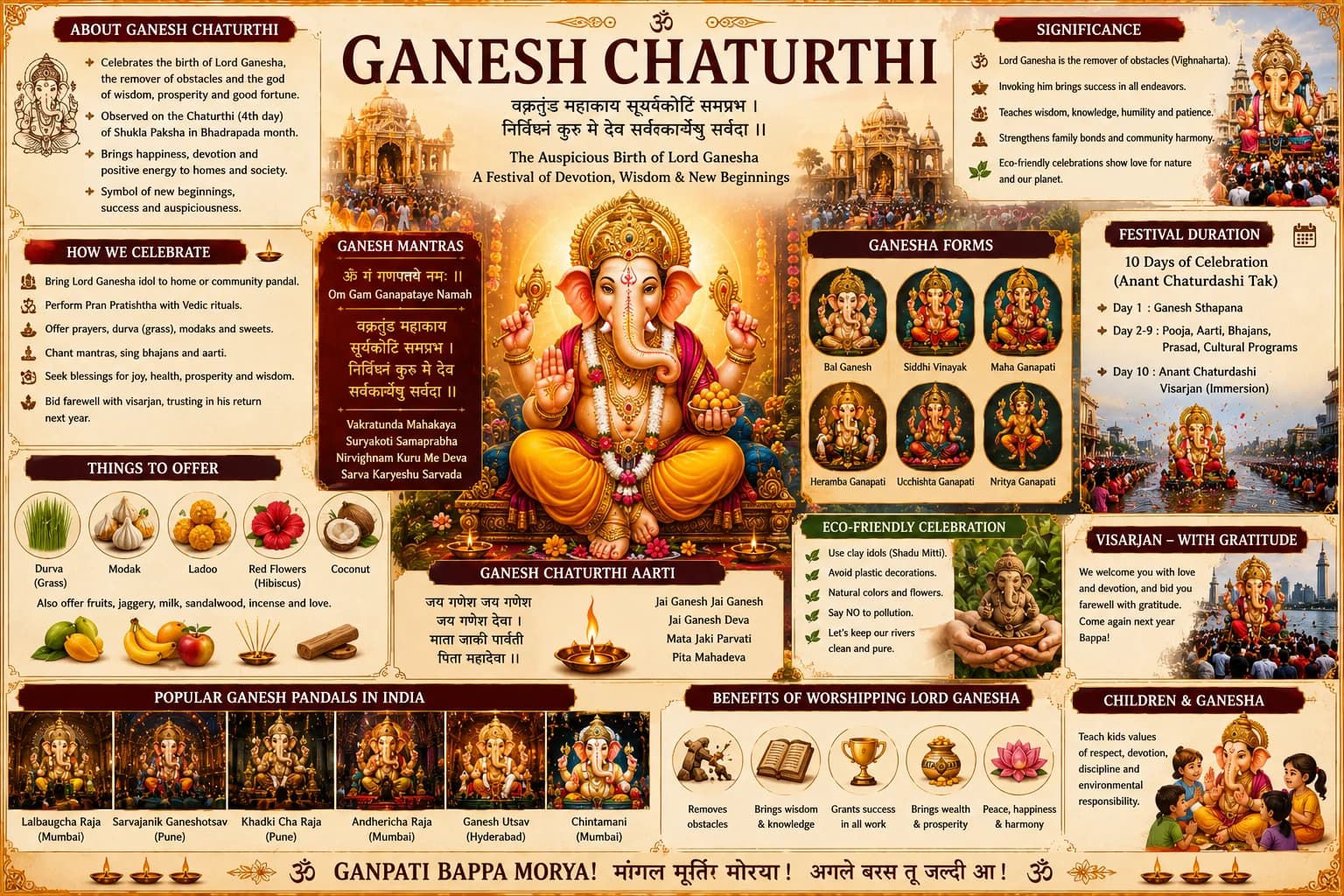
Ganesh Chaturthi is a 10-day grand festival celebrating the birth of Lord Ganesha, featuring clay idol Pran Pratishtha, Modak offerings, and Visarjan into water bodies.
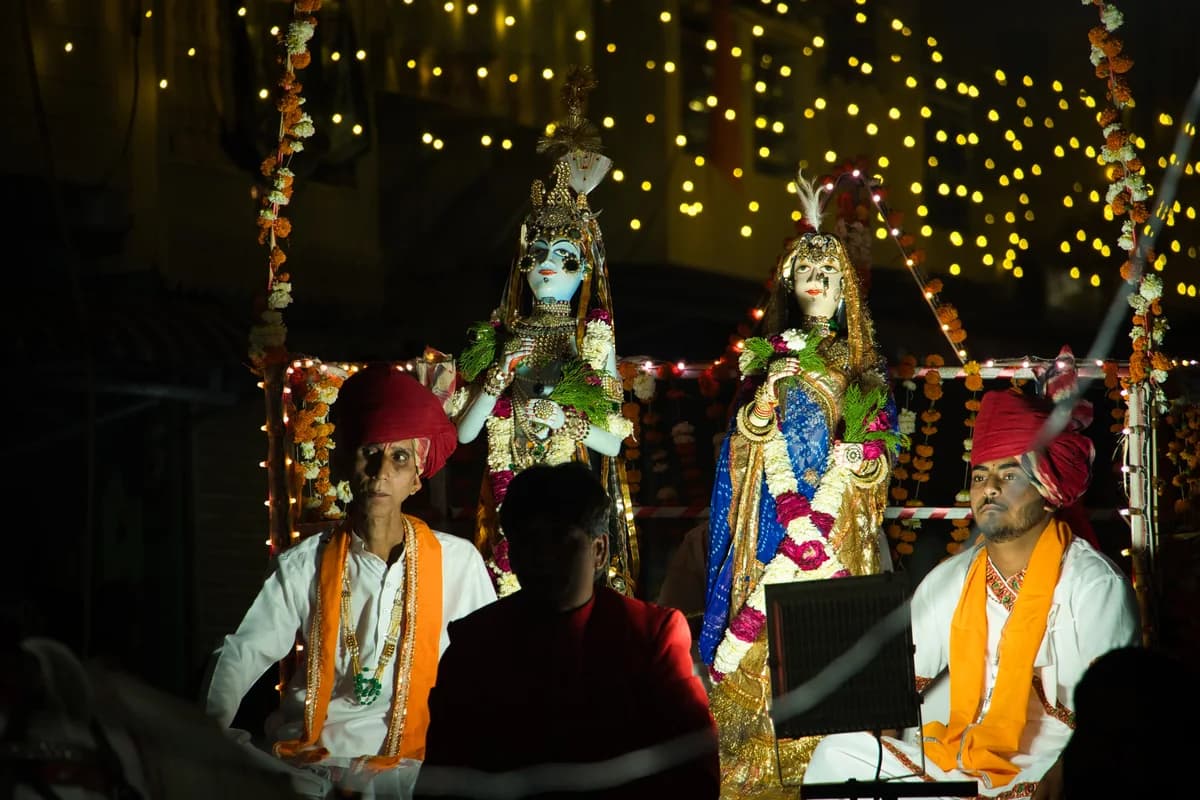
Gangaur is a vibrant traditional festival of Rajasthan and Madhya Pradesh, celebrating Goddess Gauri (Parvati) and Isar (Shiva) for marital harmony and prosperity.
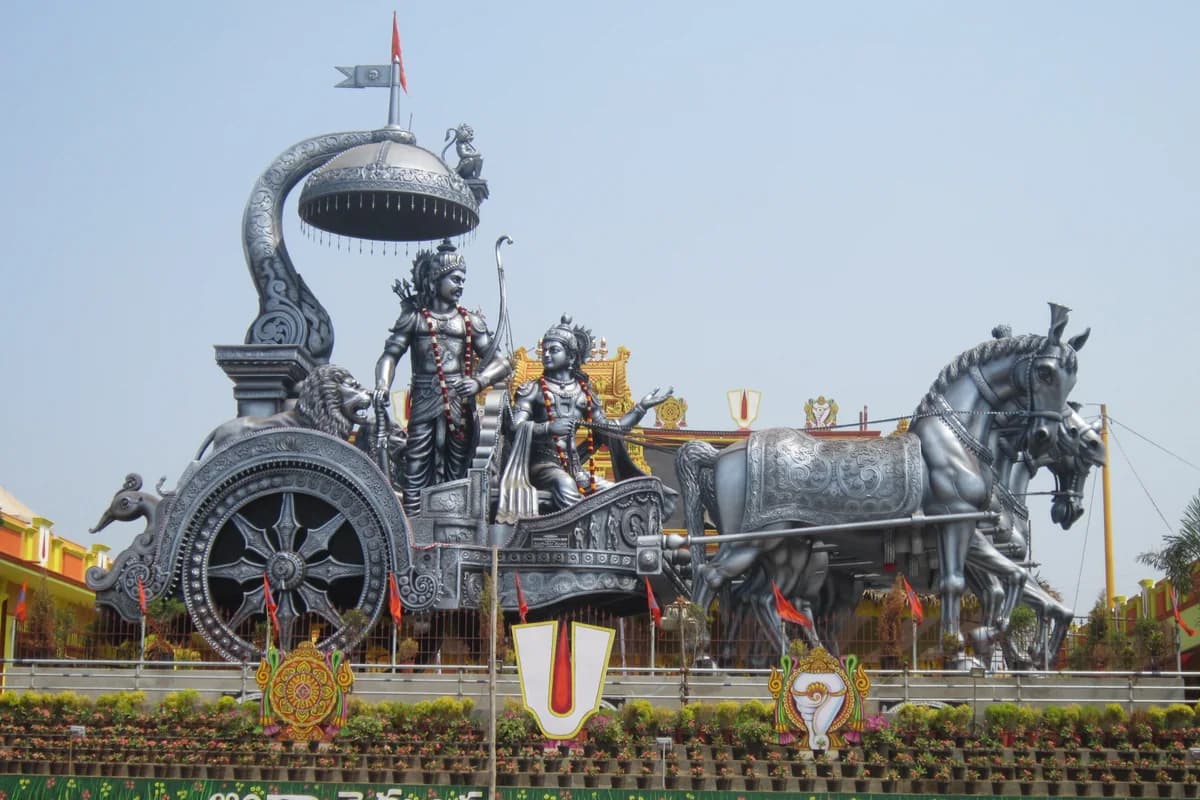
Gita Jayanti commemorates the sacred day when Lord Krishna imparted the immortal wisdom of the Srimad Bhagavad Gita to Arjuna on the battlefield of Kurukshetra.
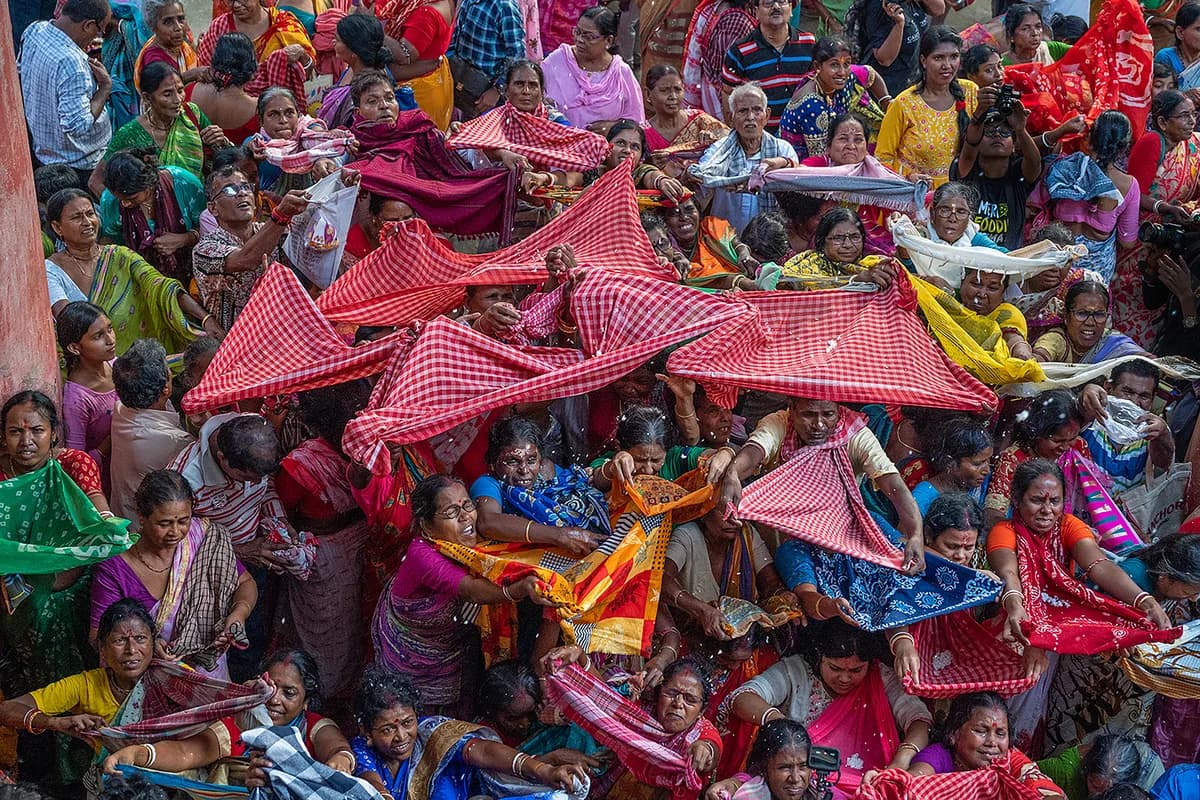
Govardhan Puja celebrates Lord Krishna lifting the Govardhan Hill on His pinky finger for 7 days to protect the cows and inhabitants of Vrindavan from Lord Indra's torrential storm.
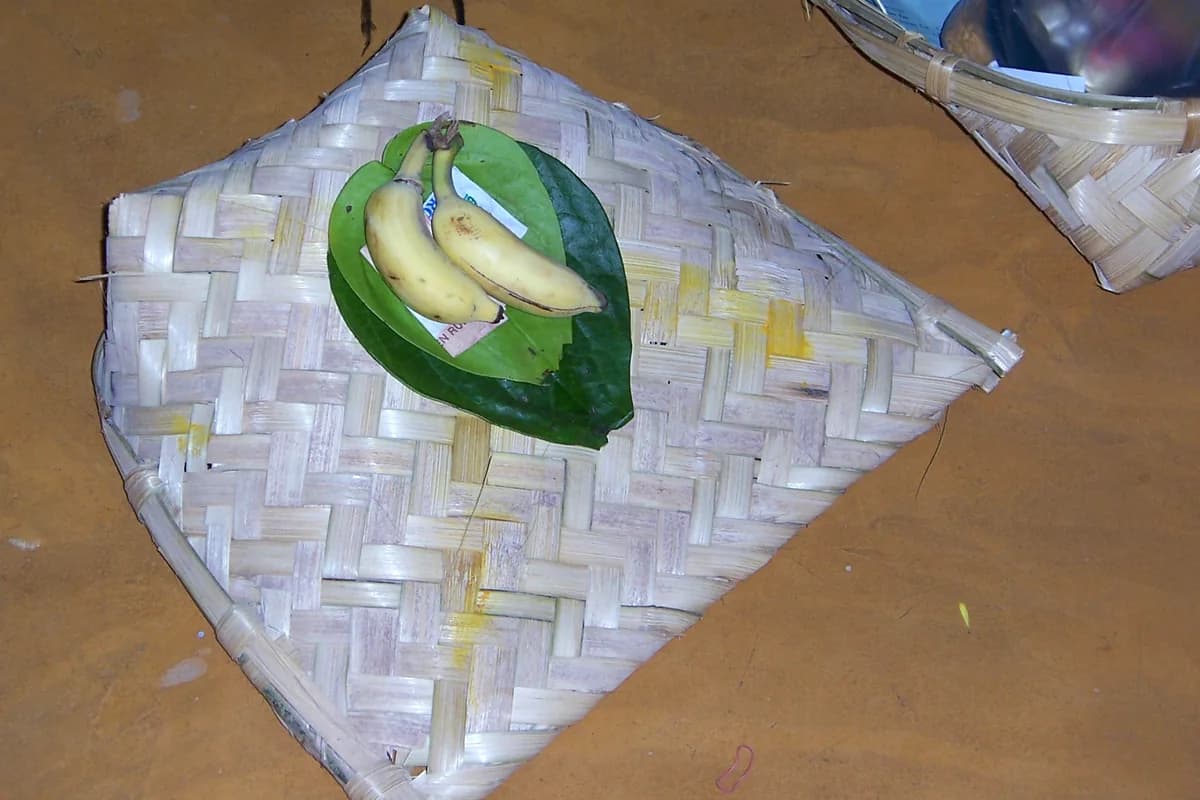
Gowri Habba is Karnataka's major women's festival celebrated a day prior to Ganesh Chaturthi, worshiping Swarna Gowri (Goddess Parvati) for courage and marital harmony.
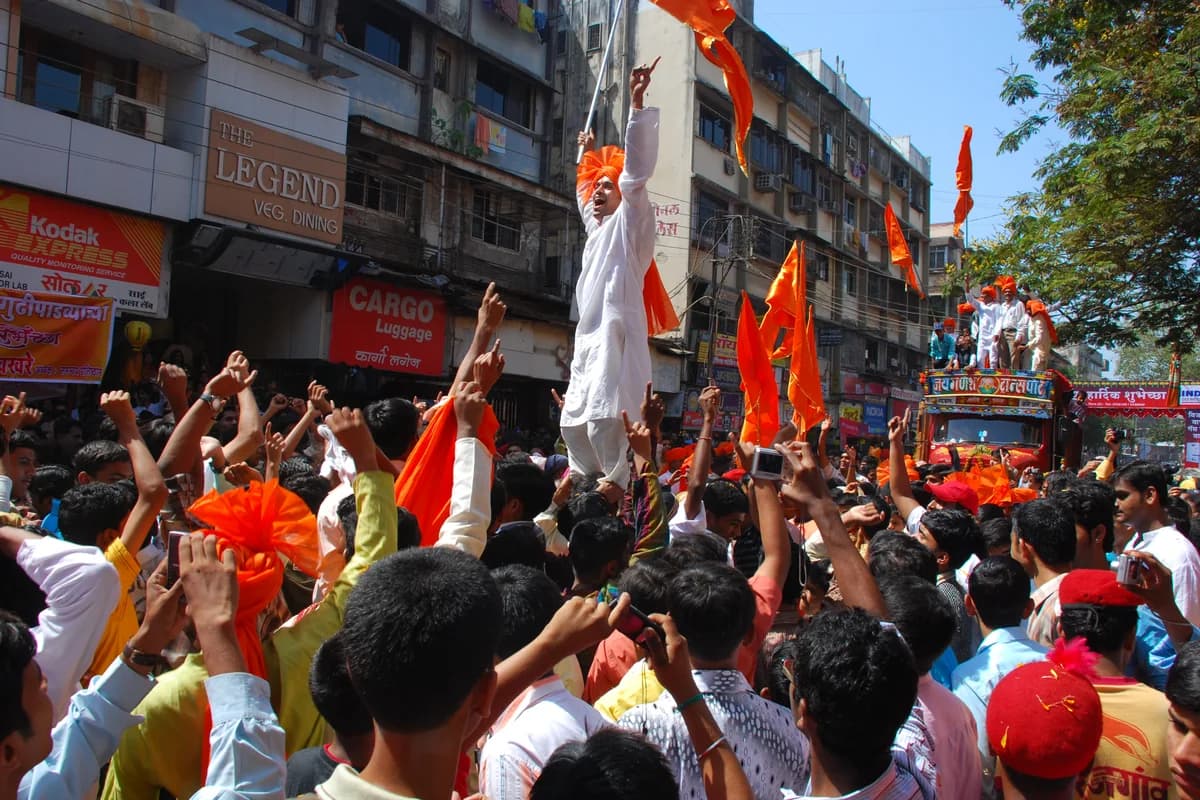
Gudi Padwa marks the Marathi and Konkani New Year on Chaitra Shukla Pratipada, celebrated by raising the victory flag (Gudi) outside homes and eating neem-jaggery prasad.
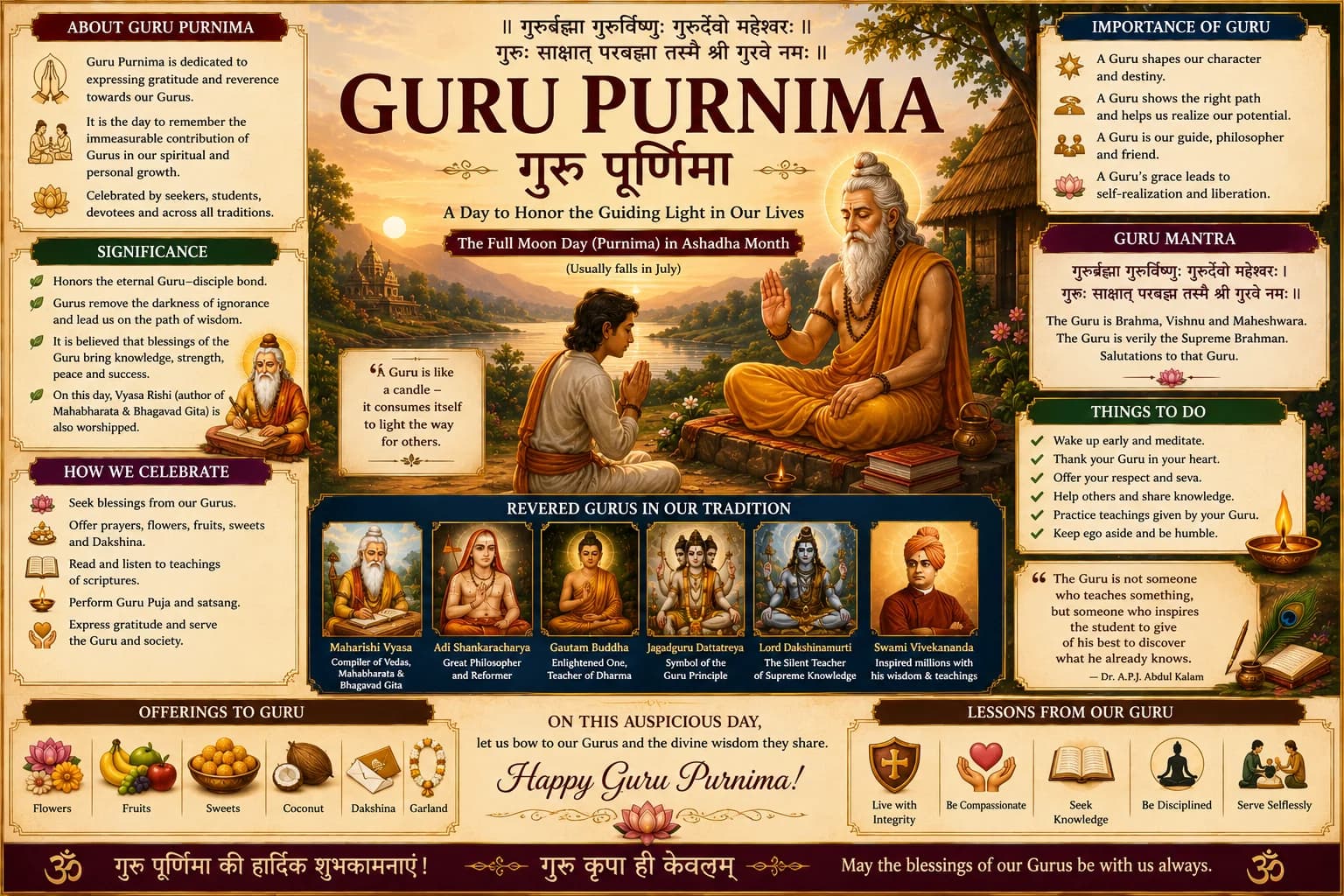
Guru Purnima is a sacred day dedicated to honoring spiritual teachers and Gurus, marking the birth anniversary of Maharshi Ved Vyasa who compiled the 4 Vedas.
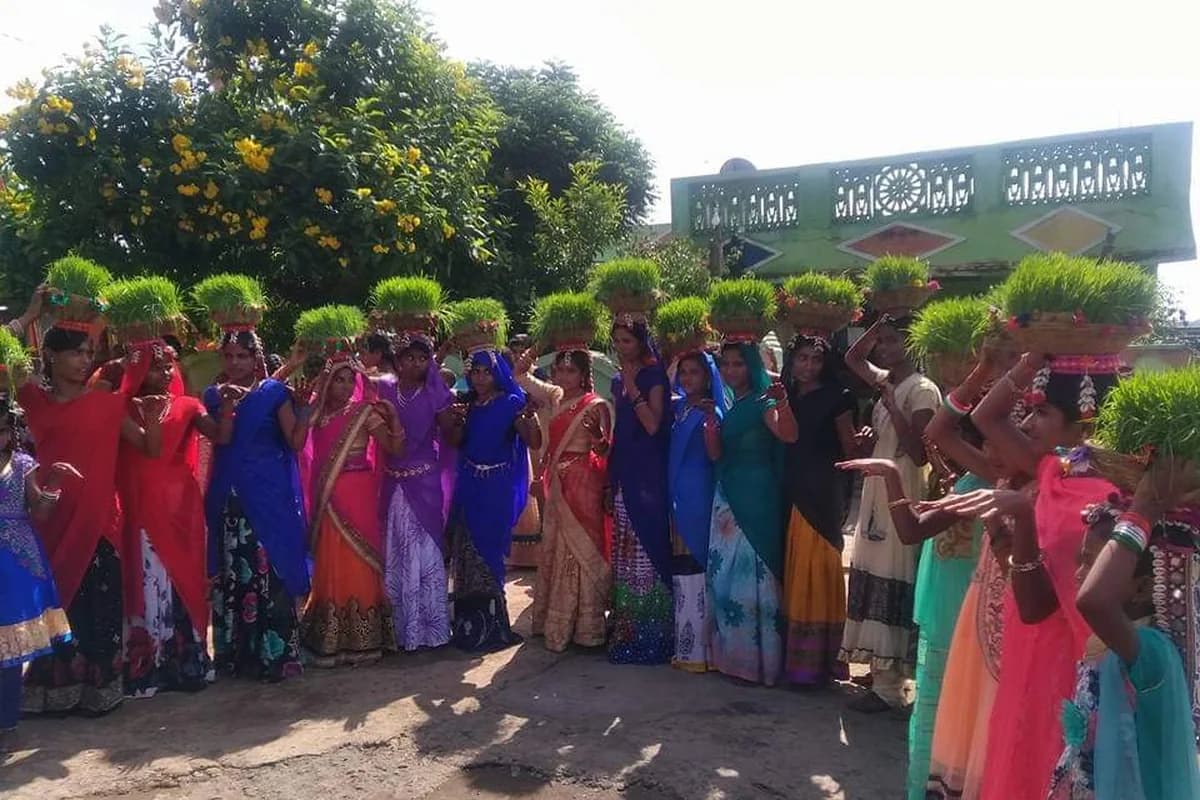
Teej is a joyous monsoon festival celebrated by women, commemorating Goddess Parvati's severe penance and divine reunion with Lord Shiva after 108 rebirths.
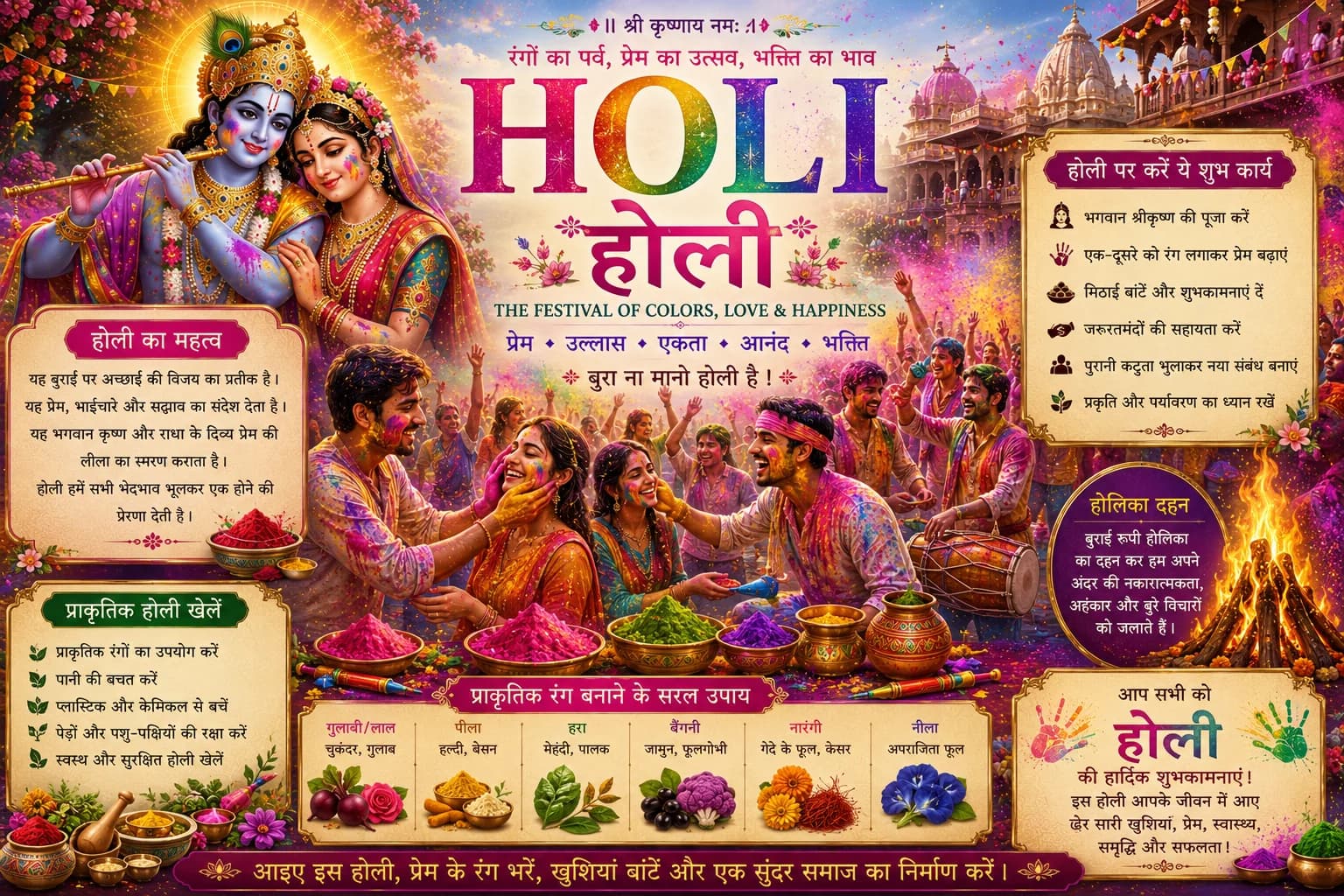
Holi is the festival of colors celebrating the victory of devotion over evil through Holika Dahan, the divine intervention of Lord Narasimha for Bhakta Prahlad, and the arrival of Spring.
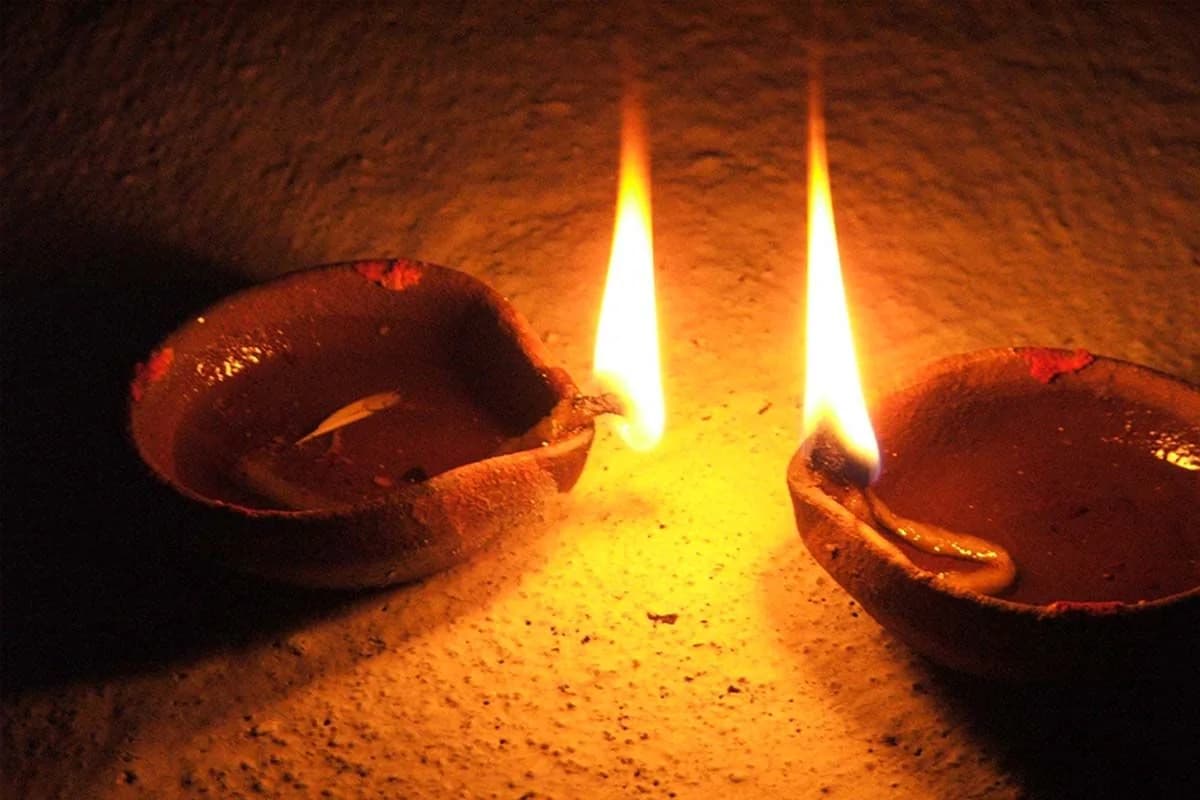
Karthigai Deepam is an ancient Tamil festival of lights celebrated on Mount Annamalai in Tiruvannamalai, where a giant Mahadeepam flame is lit atop the holy hill symbolizing Lord Shiva's infinite beacon of light.
Karwa Chauth is a sacred day-long Nirjala (waterless) fast observed by married Hindu women for the health, longevity, and prosperity of their husbands.
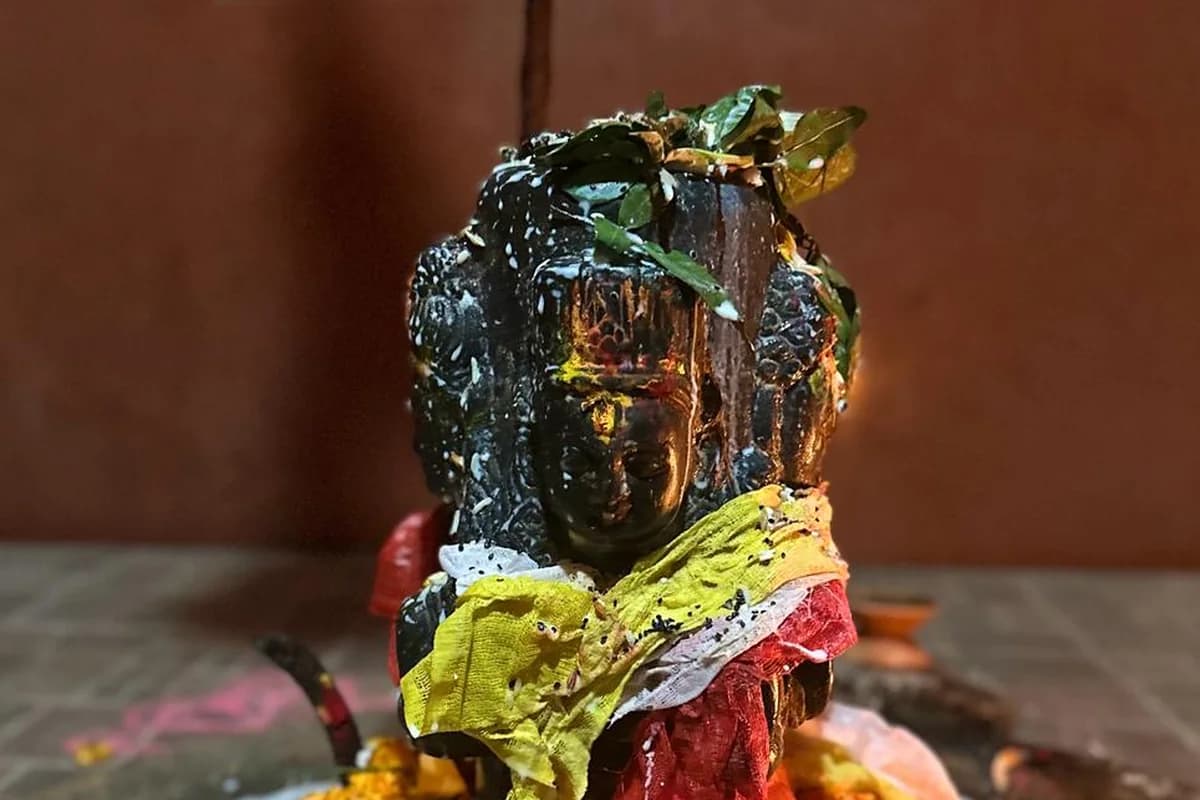
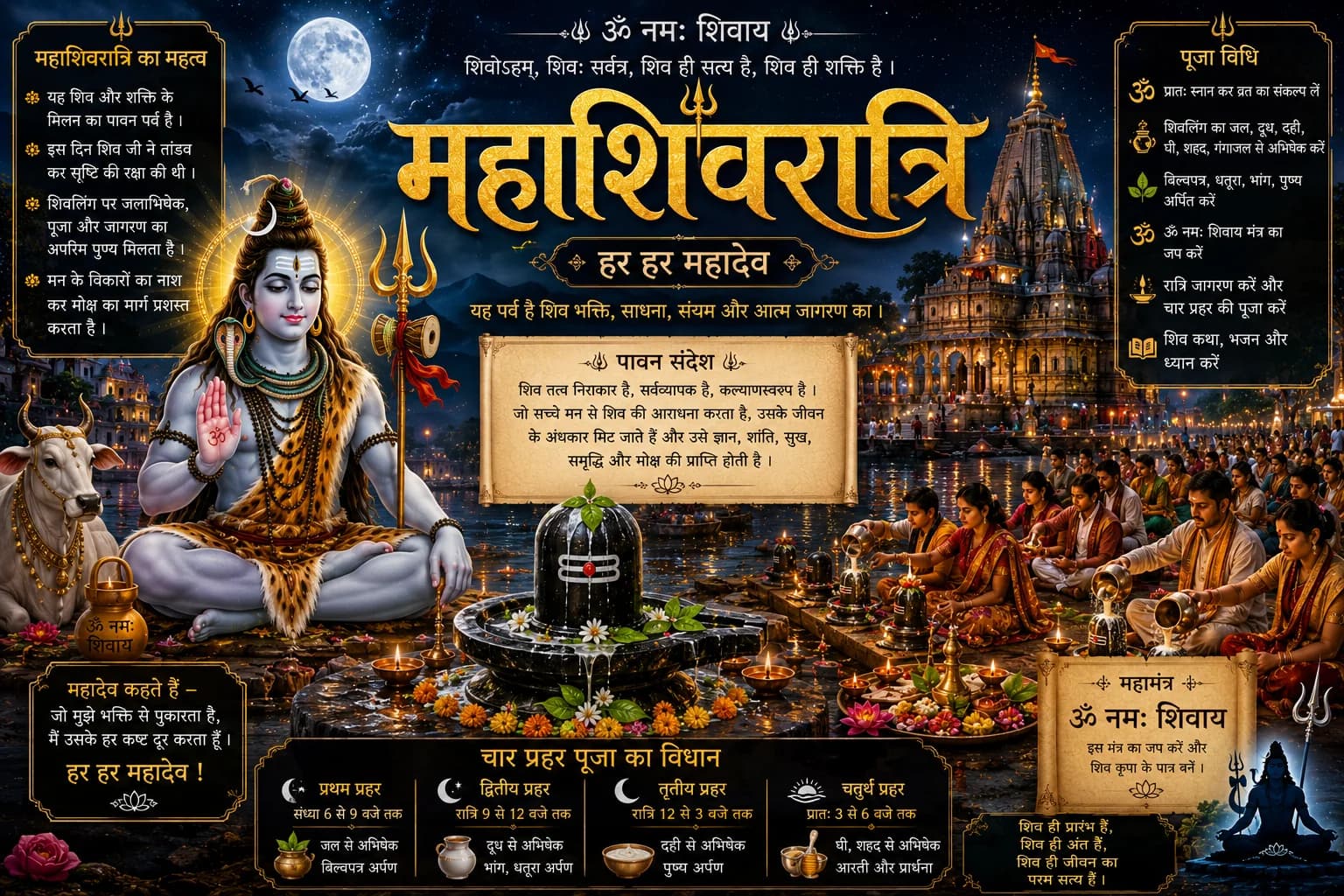
Maha Shivratri is the solemn night celebrating Lord Shiva's cosmic Tandava dance, His divine marriage to Goddess Parvati, and His manifestation as Lingodbhava (the infinite pillar of light).
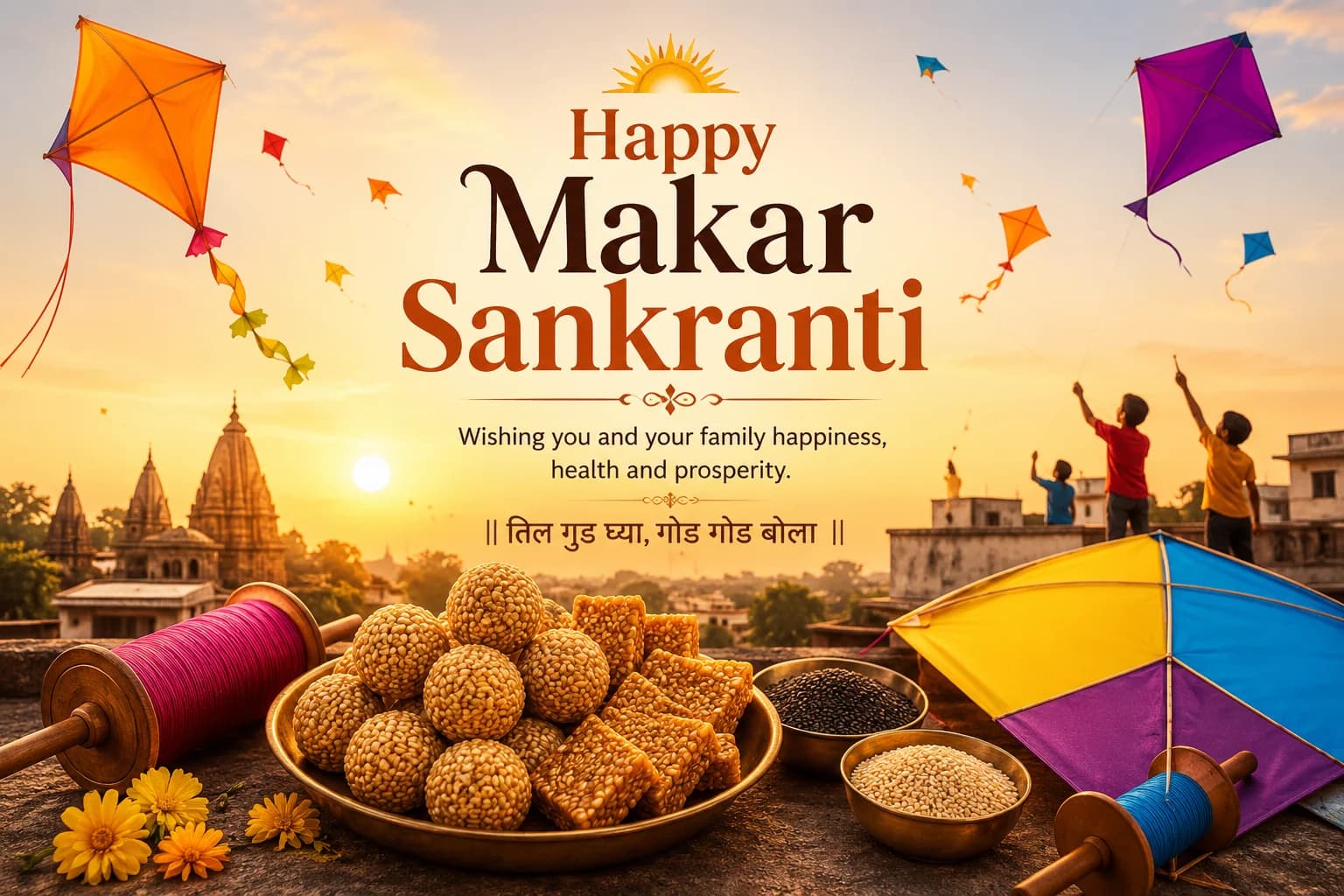
Makar Sankranti marks the Sun's transit into the zodiac sign of Capricorn (Makara Rashi) and the beginning of Uttarayan (the northward celestial journey of the Sun).
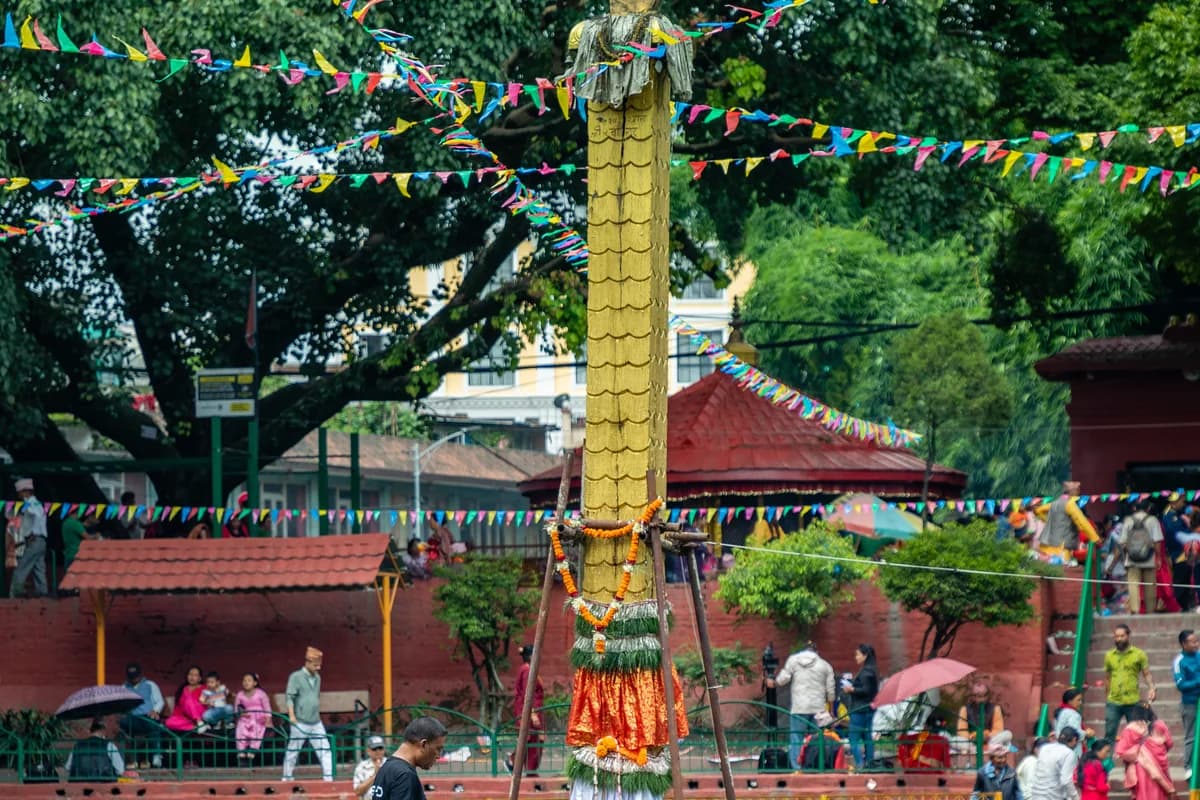
Nag Panchami is dedicated to the worship of Serpent Deities (Nagas) such as Ananta, Vasuki, and Shesha, seeking ecological harmony and protection from venomous bites.
Naraka Chaturdashi (Chhoti Diwali) commemorates Lord Krishna and Satyabhama vanquishing the demon Narakasura and liberating 16,000 princesses.
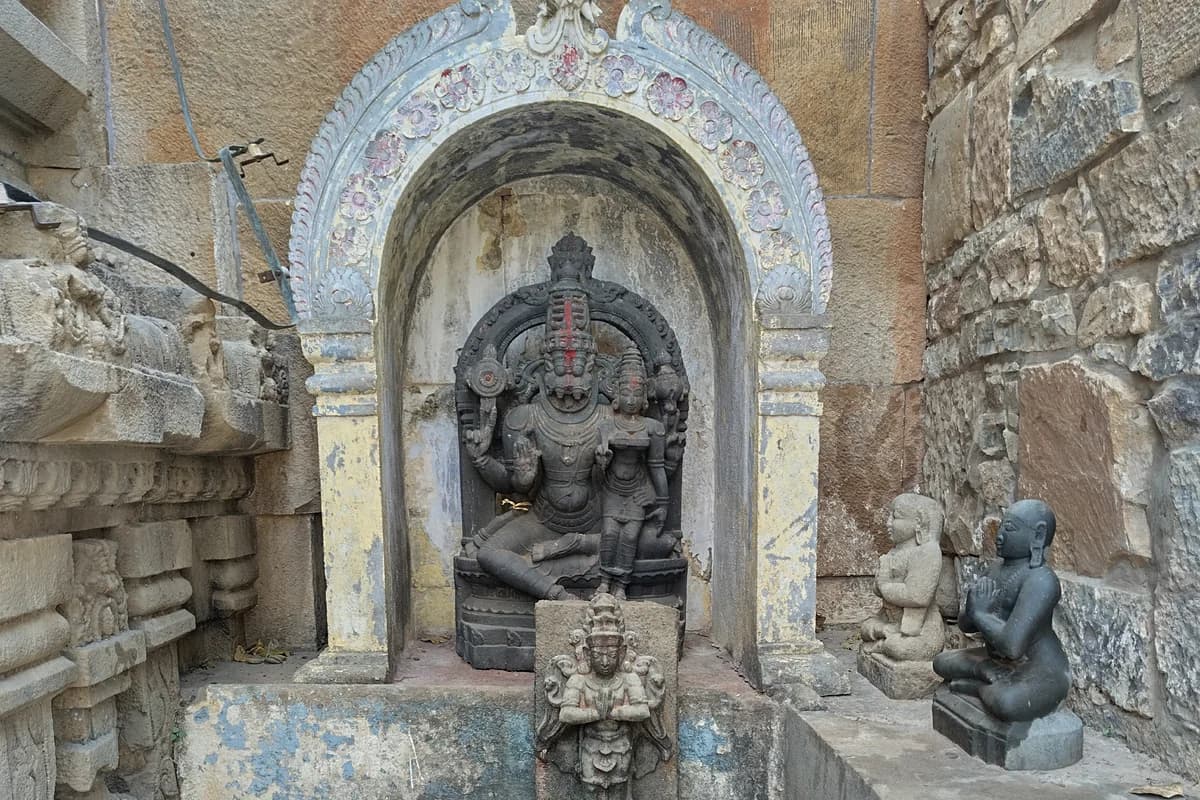
Narasimha Jayanti celebrates the divine manifestation of Lord Vishnu as the Half-Man, Half-Lion (Narasimha) Avatar at dusk from a pillar to protect Bhakta Prahlad and destroy Hiranyakashipu.
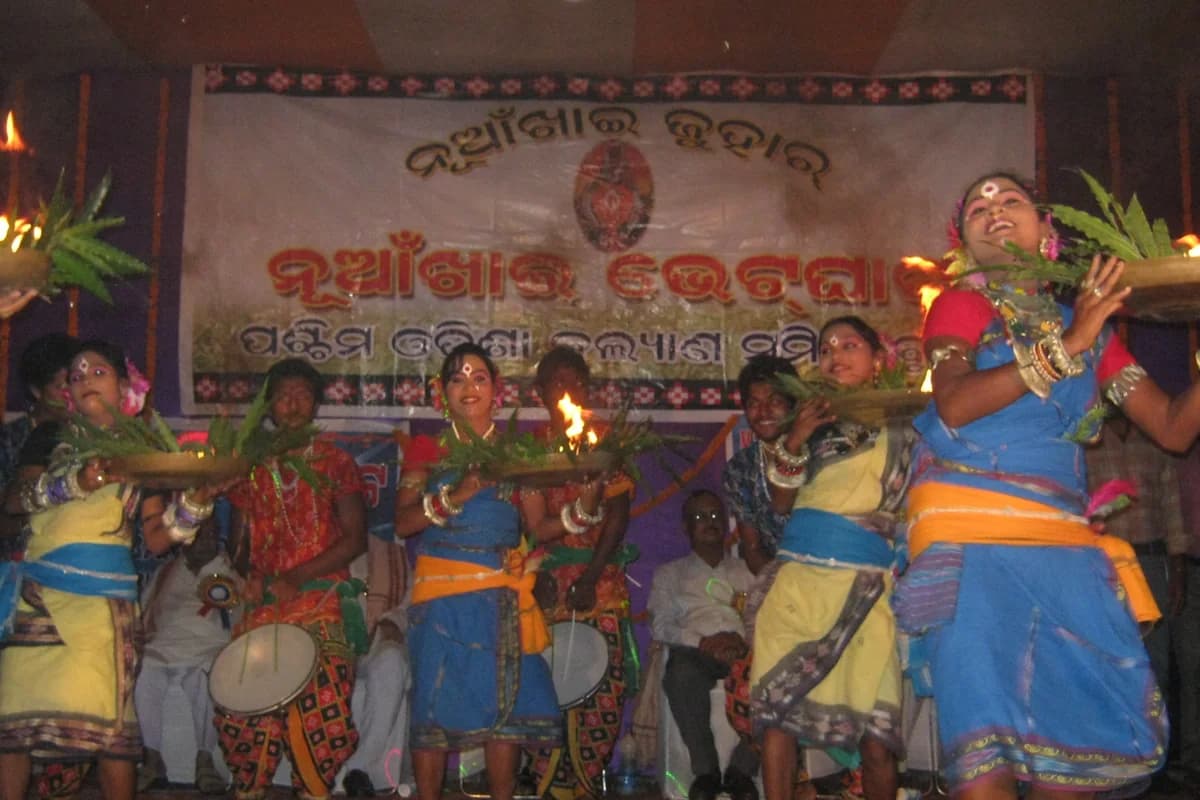
Nuakhai is Western Odisha's premier agricultural festival where families gather to offer the first harvested paddy crop ('Nabanna') to Goddess Samaleswari and deities.
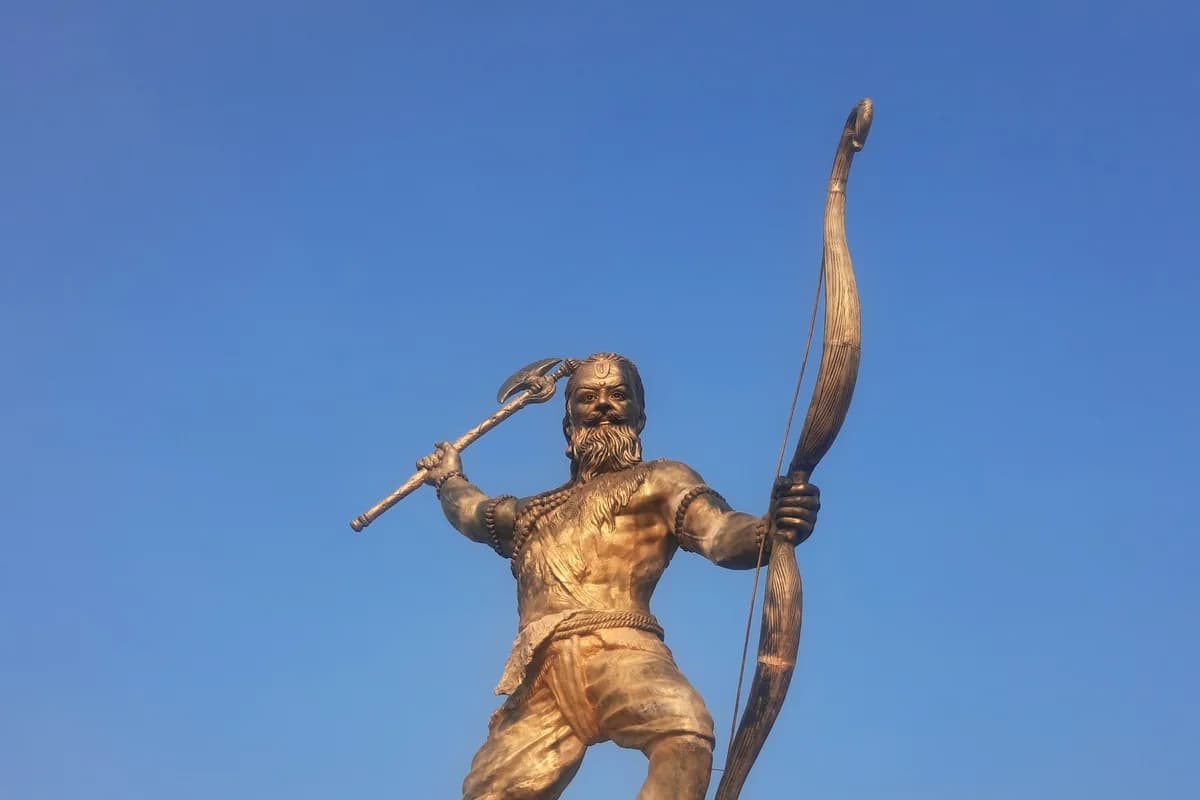
Parashurama Jayanti celebrates the birth of Lord Parashurama, the 6th Avatar of Lord Vishnu, born to Sage Jamadagni and Mata Renuka to restore Dharma and defeat tyrannical kings.
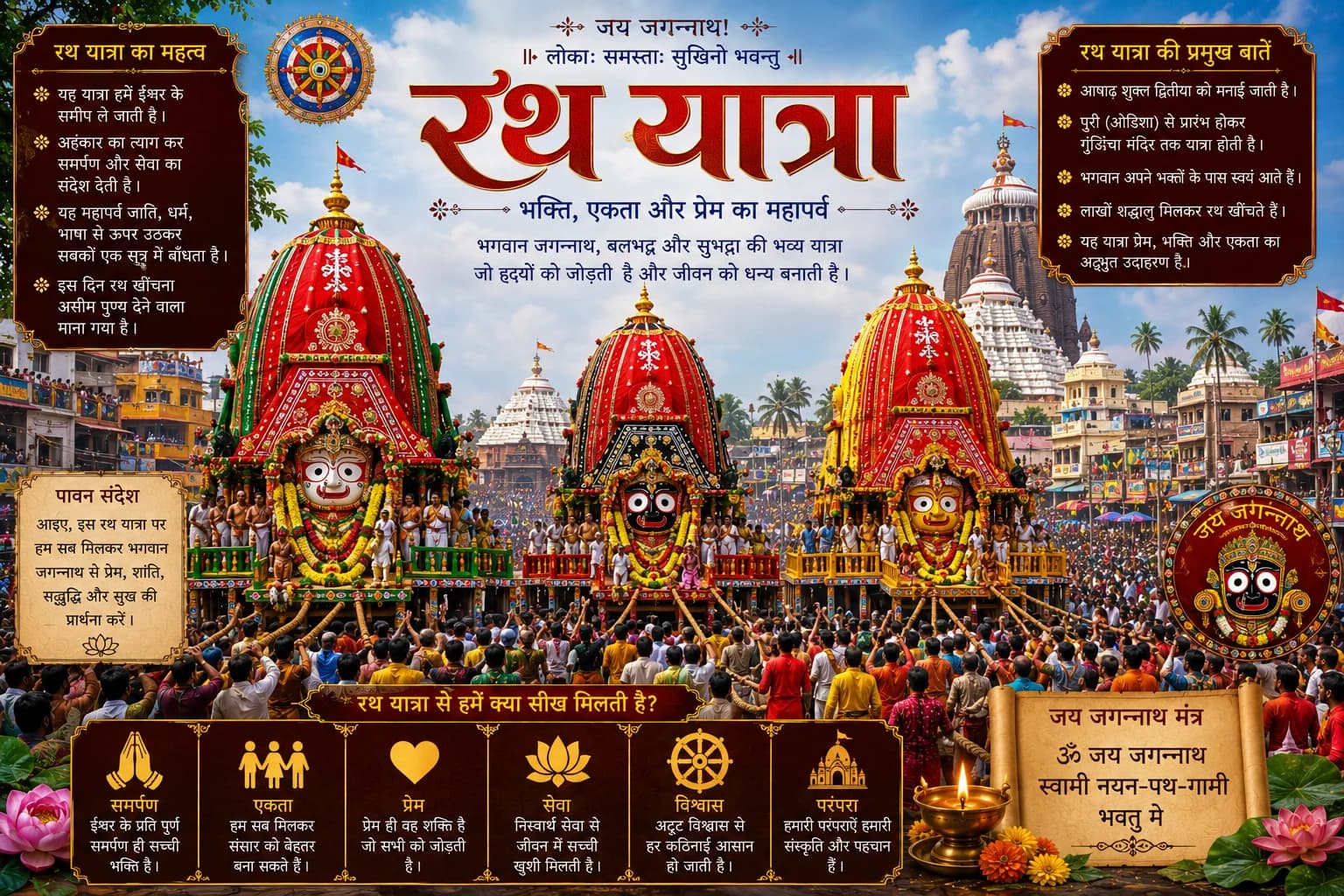
Puri Rath Yatra is the world-famous grand chariot procession of Lord Jagannath, Lord Balabhadra, and Devi Subhadra from the Jagannath Temple to Gundicha Temple in Puri, Odisha.
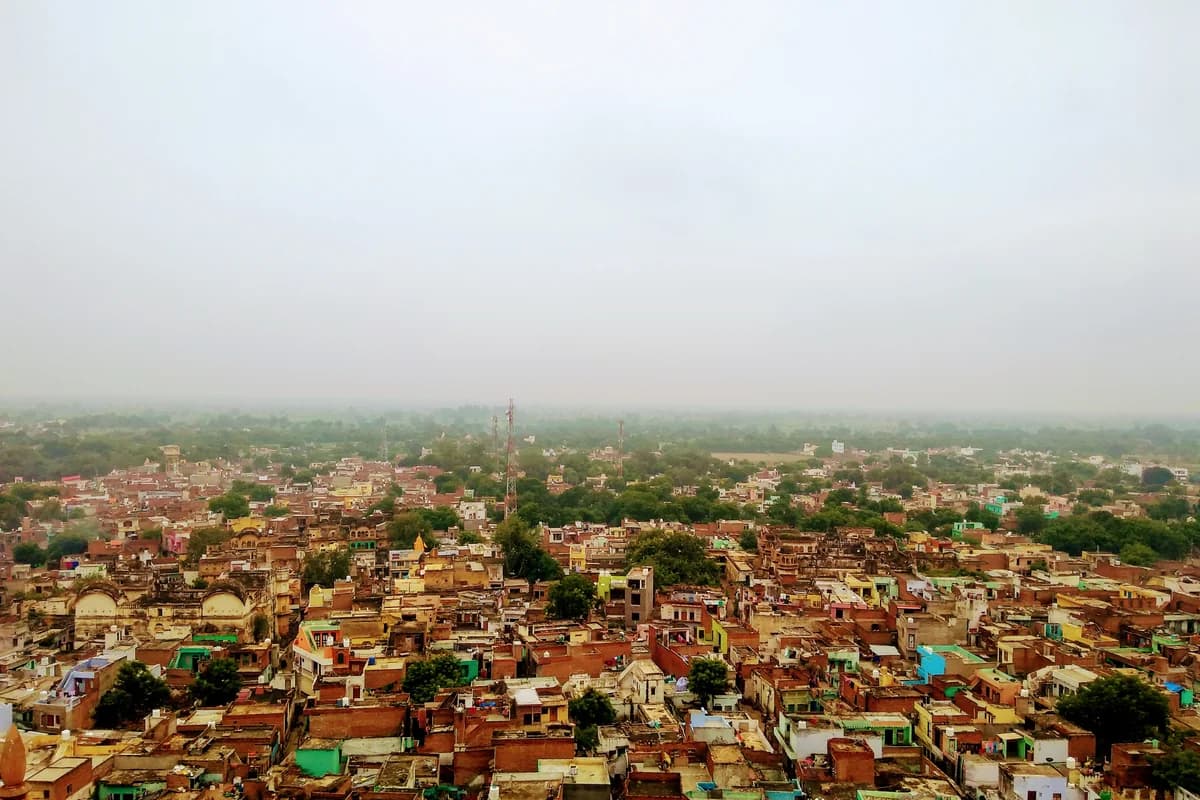
Radhashtami celebrates the divine birth of Shri Radha Rani in Raval/Barsana, 15 days after Krishna Janmashtami, honoring the supreme goddess of devotion and compassion.
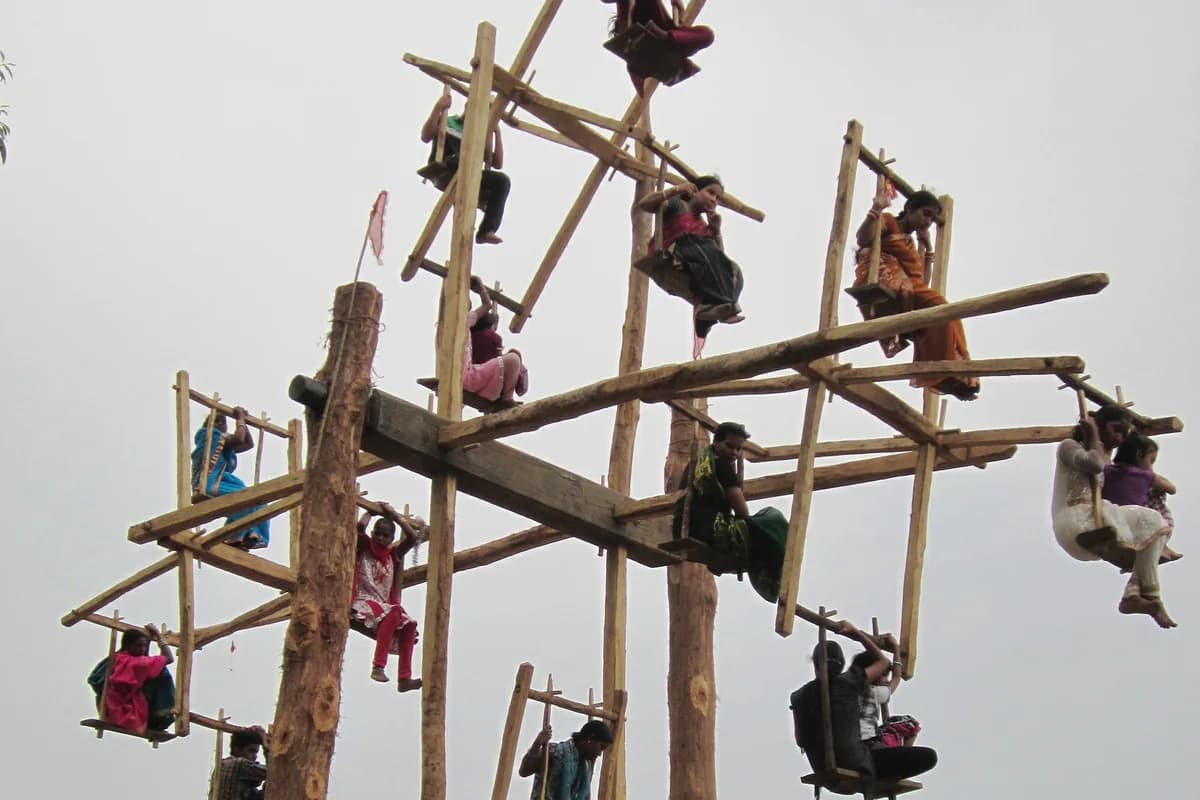
Raja Parba is Odisha's unique 3-day festival celebrating Mother Earth's (Bhudevi) womanhood and preparation for monsoon agricultural sowing.
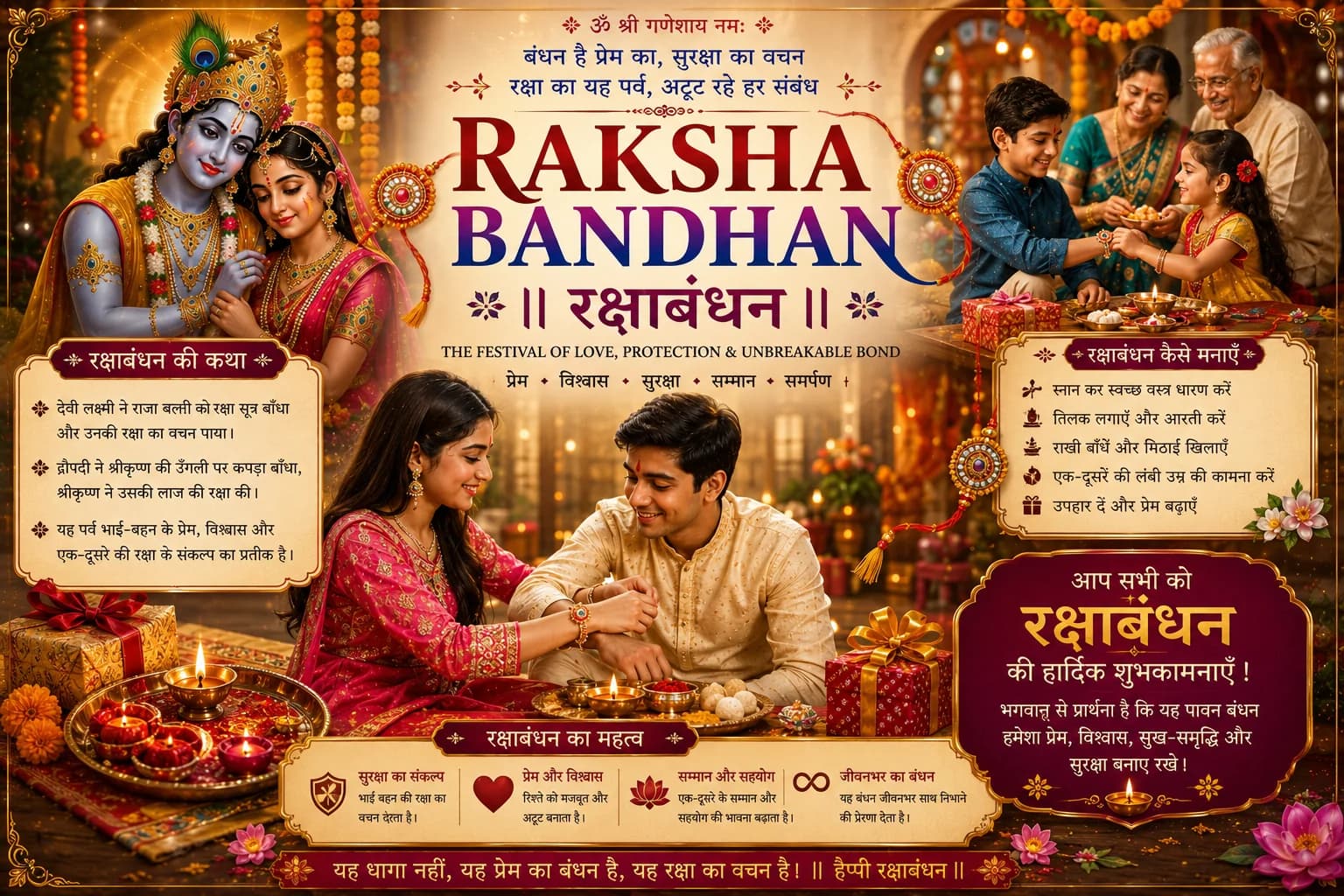
Raksha Bandhan is the sacred festival celebrating the bond of protection, love, and honor between brothers and sisters on Shravana Purnima.
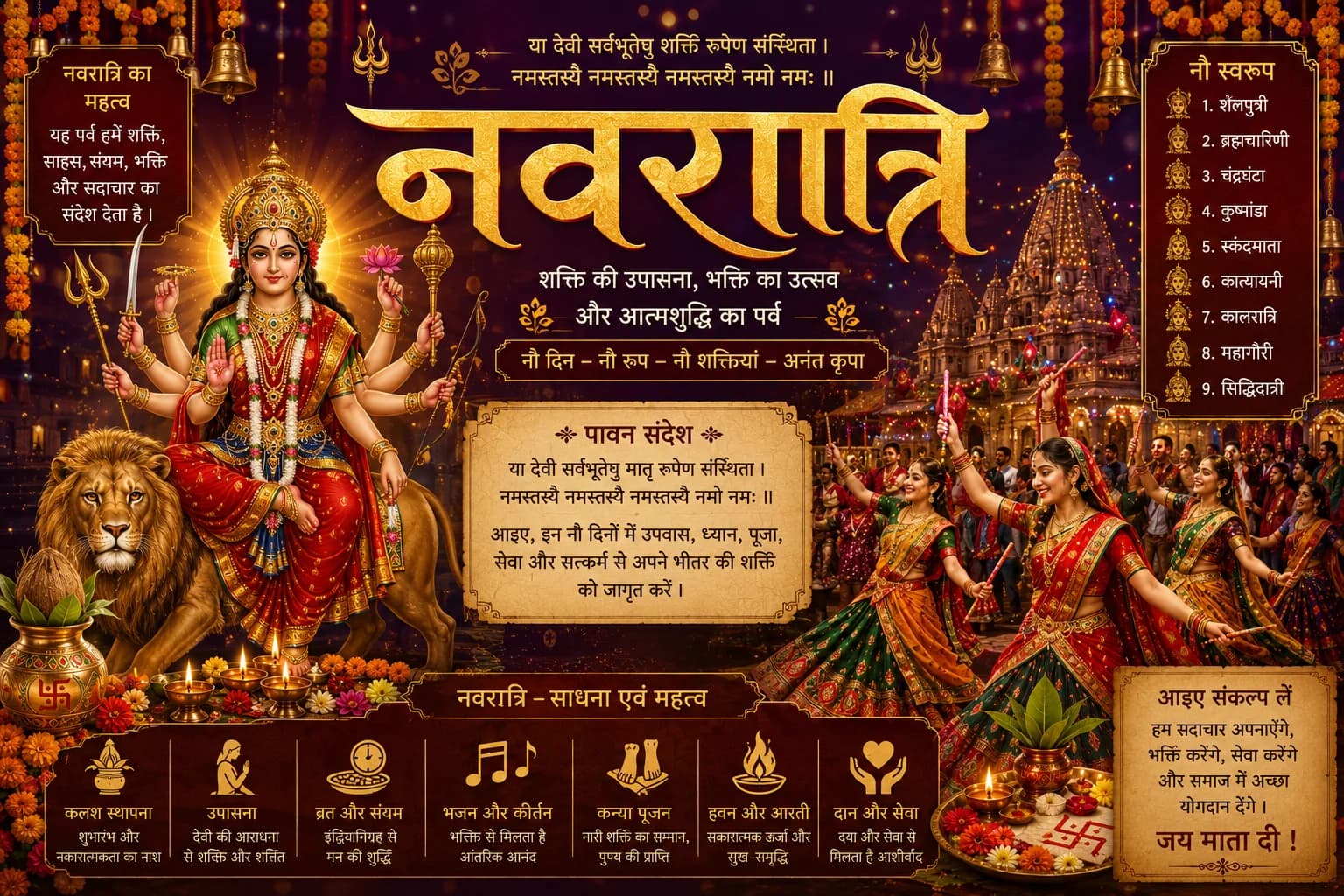
Navratri is a 9-night celebration honoring the Nine Forms of Goddess Durga (Navadurga), culminating in Vijayadashami (Dussehra), which celebrates the victory of Goddess Durga over Mahishasura and Lord Rama over Ravana.
Sharad Purnima is the night of 16 full celestial digits (Shodasha Kala) when moonlight rains nectar. Devotees prepare rice kheer under moonlight and celebrate Radha-Krishna Maha Raas.
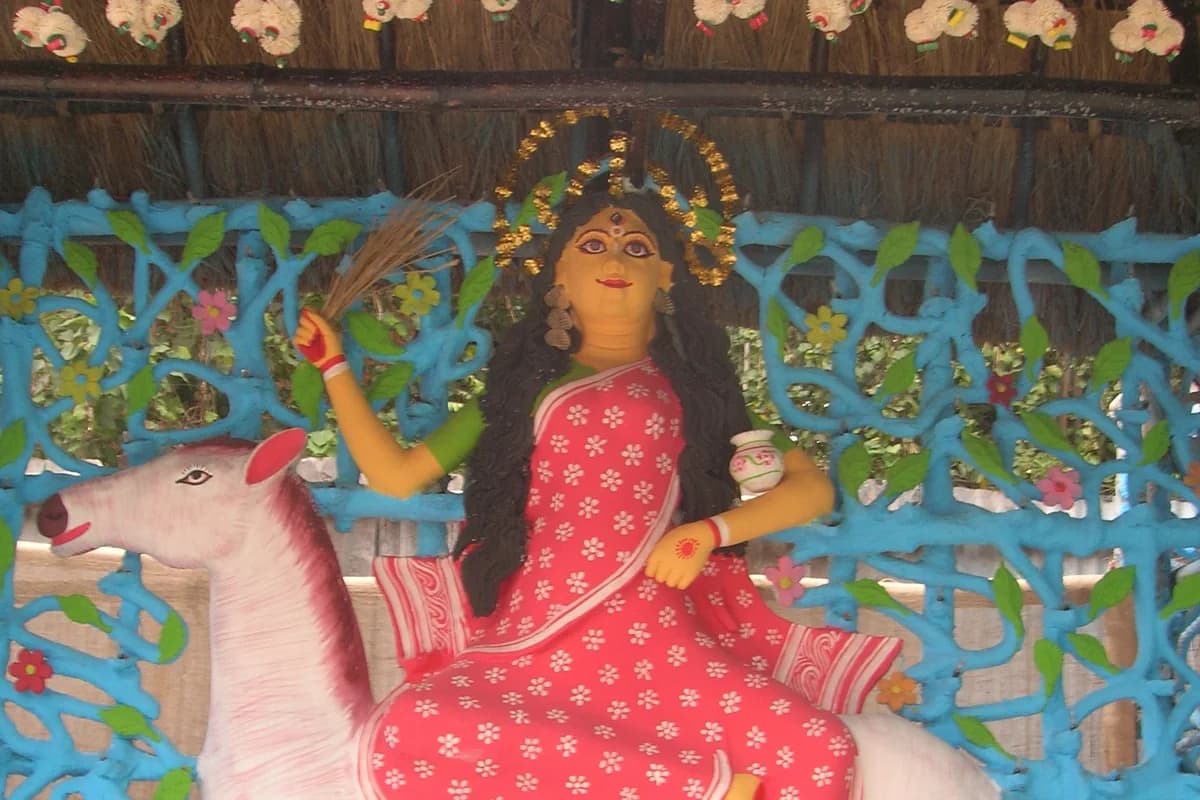
Sheetala Ashtami (Basoda) is dedicated to Goddess Sheetala, the deity of cooling and immunity. Devotees cook food a day prior and offer cold food to protect family members from seasonal epidemics.
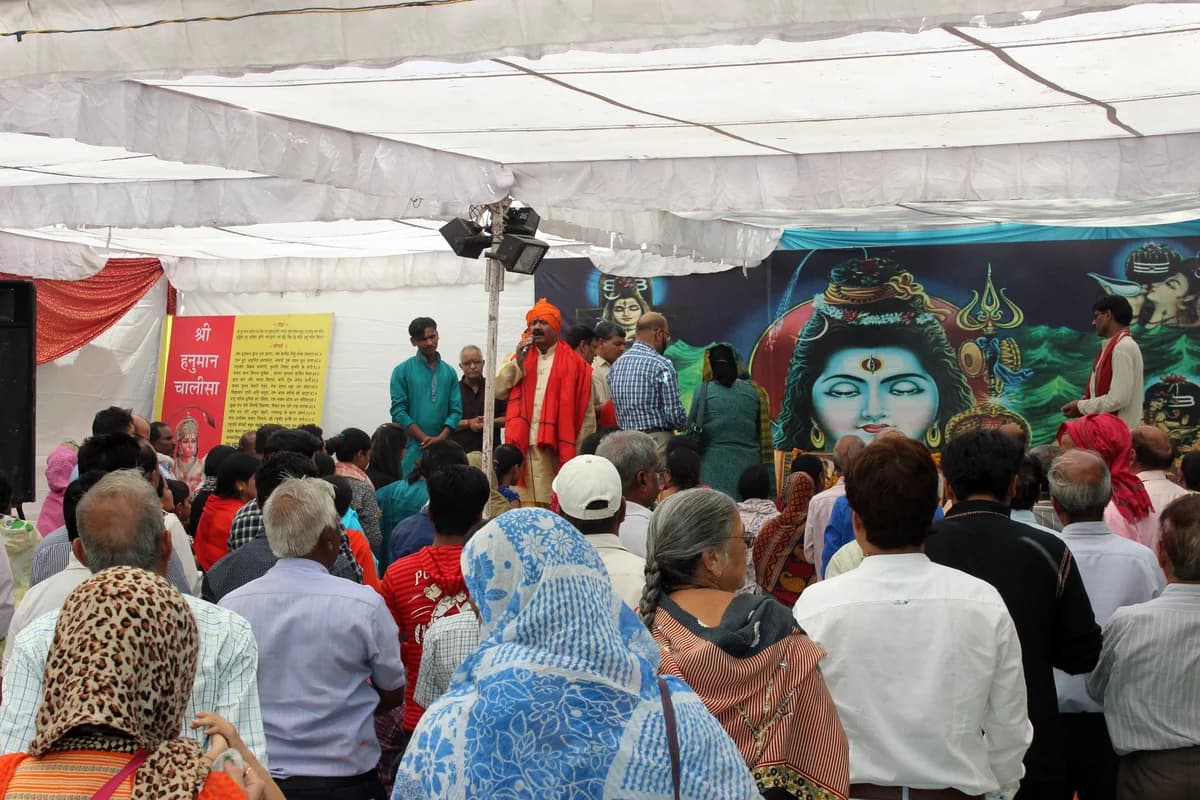
Shri Hanuman Jayanti commemorates the birth of Lord Hanuman, the Rudra Avatar of Shiva, born to Mata Anjana and Kesari through the divine grace of Vayu Dev.
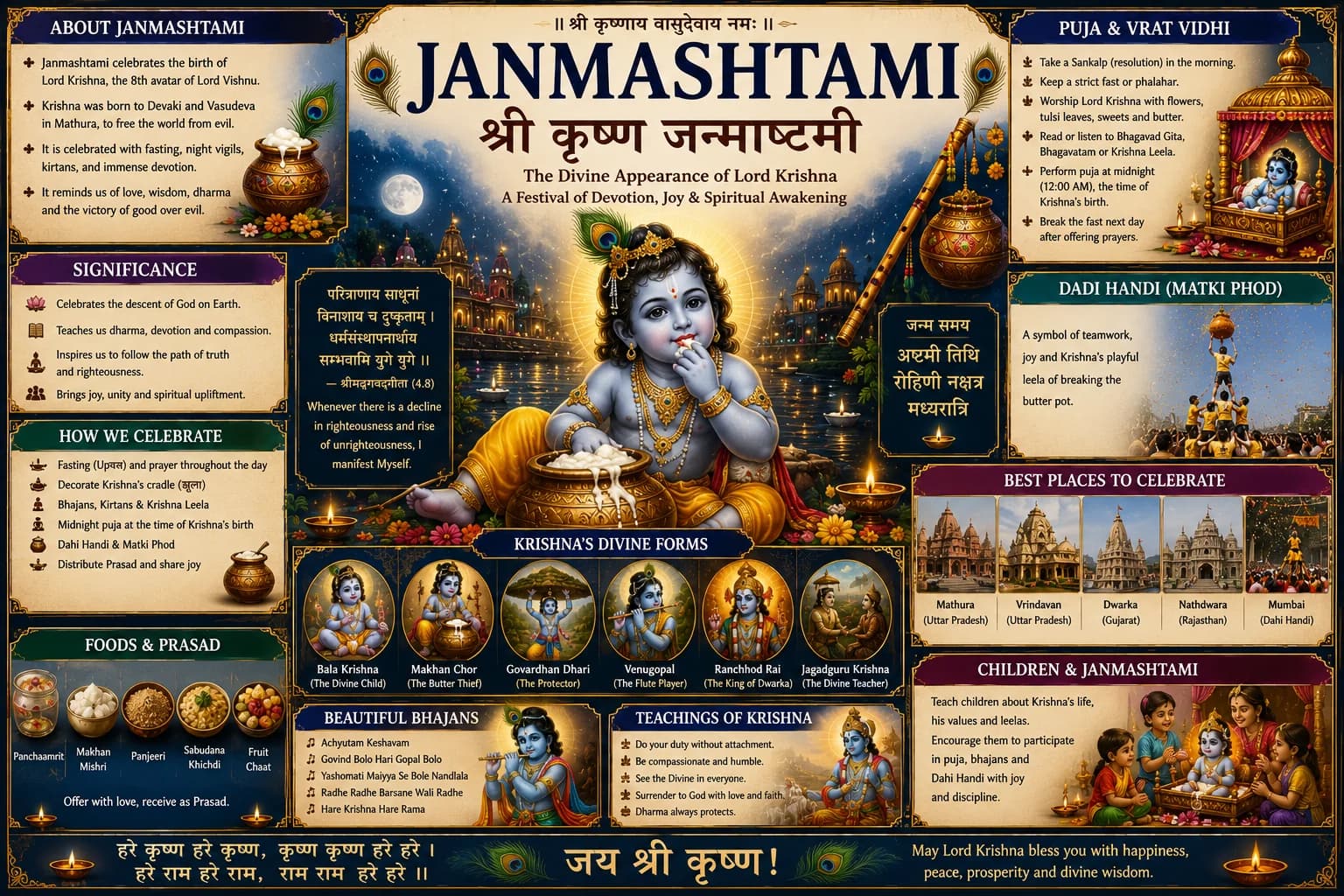
Shri Krishna Janmashtami celebrates the divine birth (Avataran) of Lord Krishna in Mathura prison to Devaki and Vasudeva on midnight of Bhadrapada Krishna Ashtami under Rohini Nakshatra.
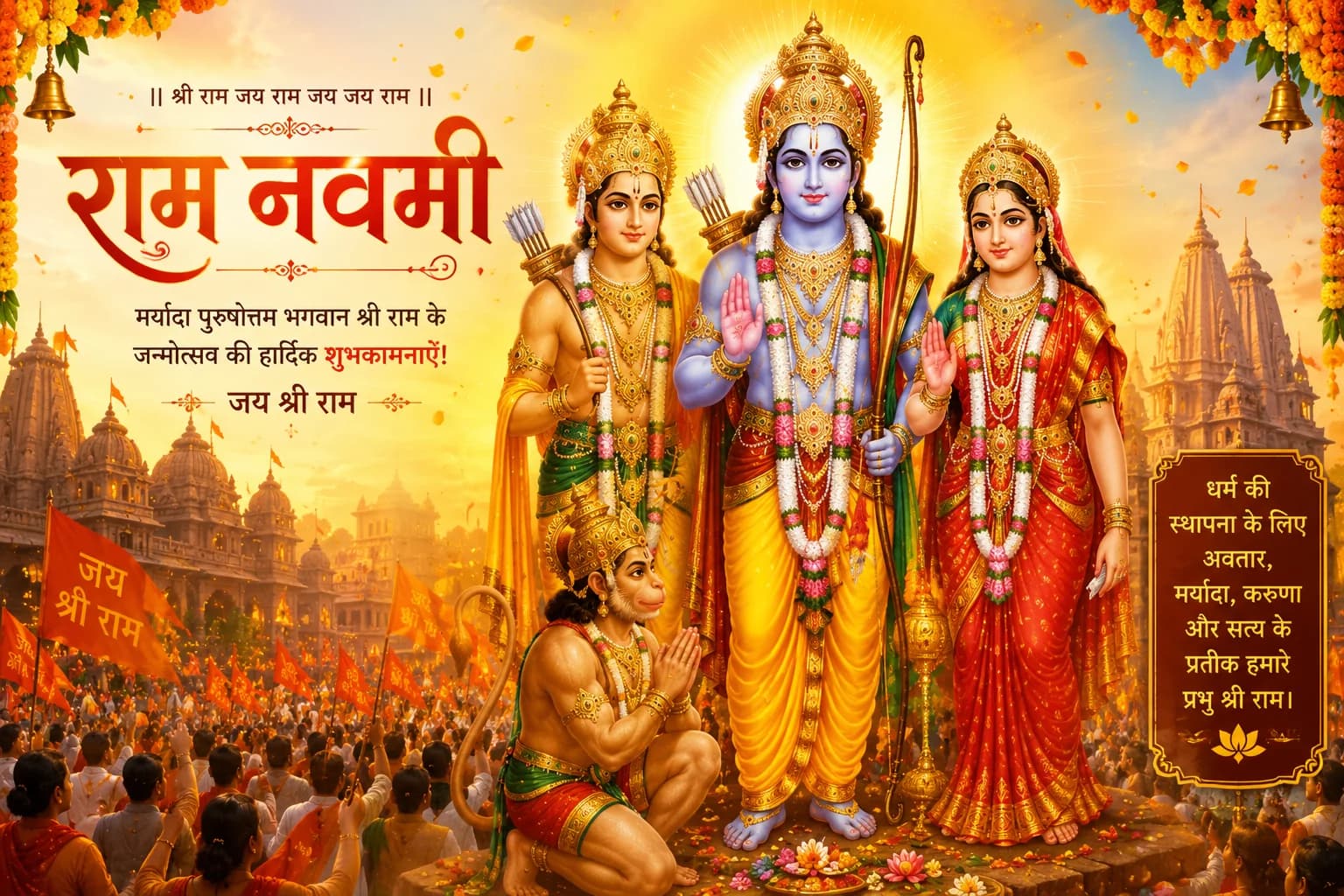
Shri Ram Navami celebrates the birth (Avataran) of Maryada Purushottam Lord Rama in Ayodhya to King Dasharatha and Queen Kausalya during Abhijit Muhurat.
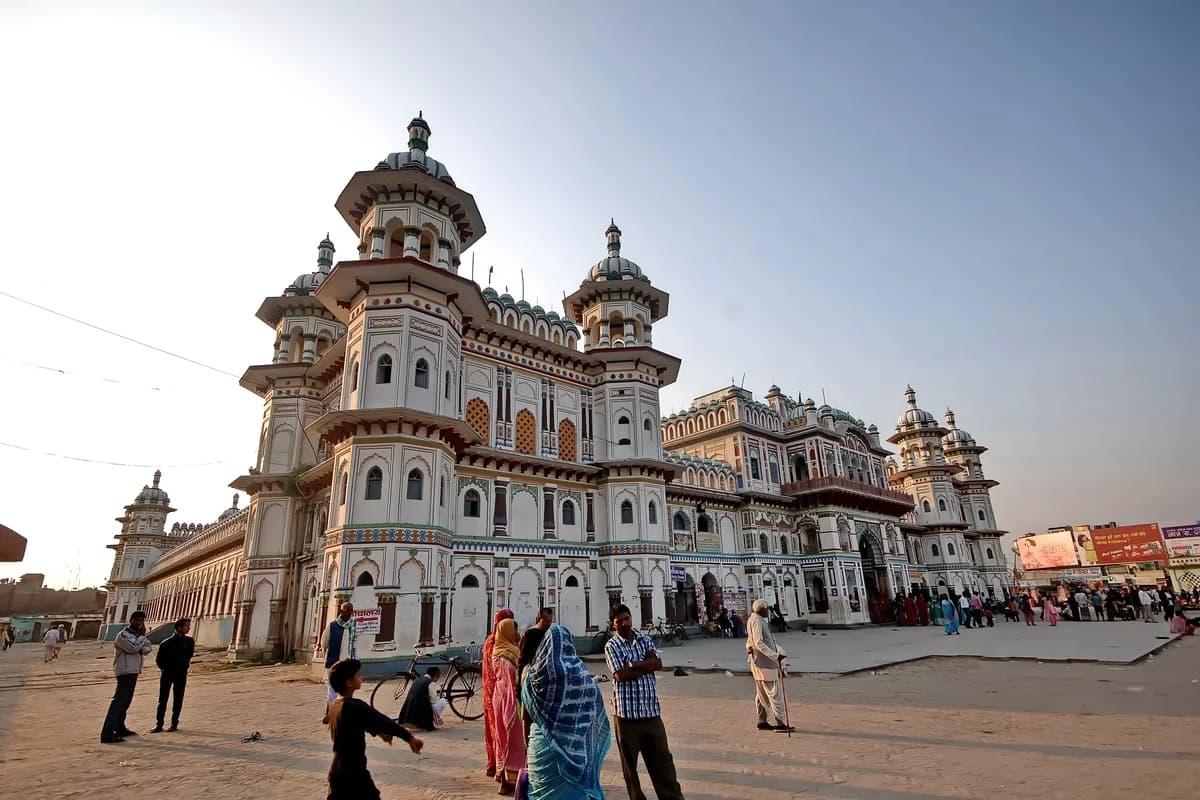
Sita Navami celebrates the divine appearance of Mata Sita, who emerged from the golden furrow of Mother Earth while King Janaka was plowing the sacred field in Mithila.
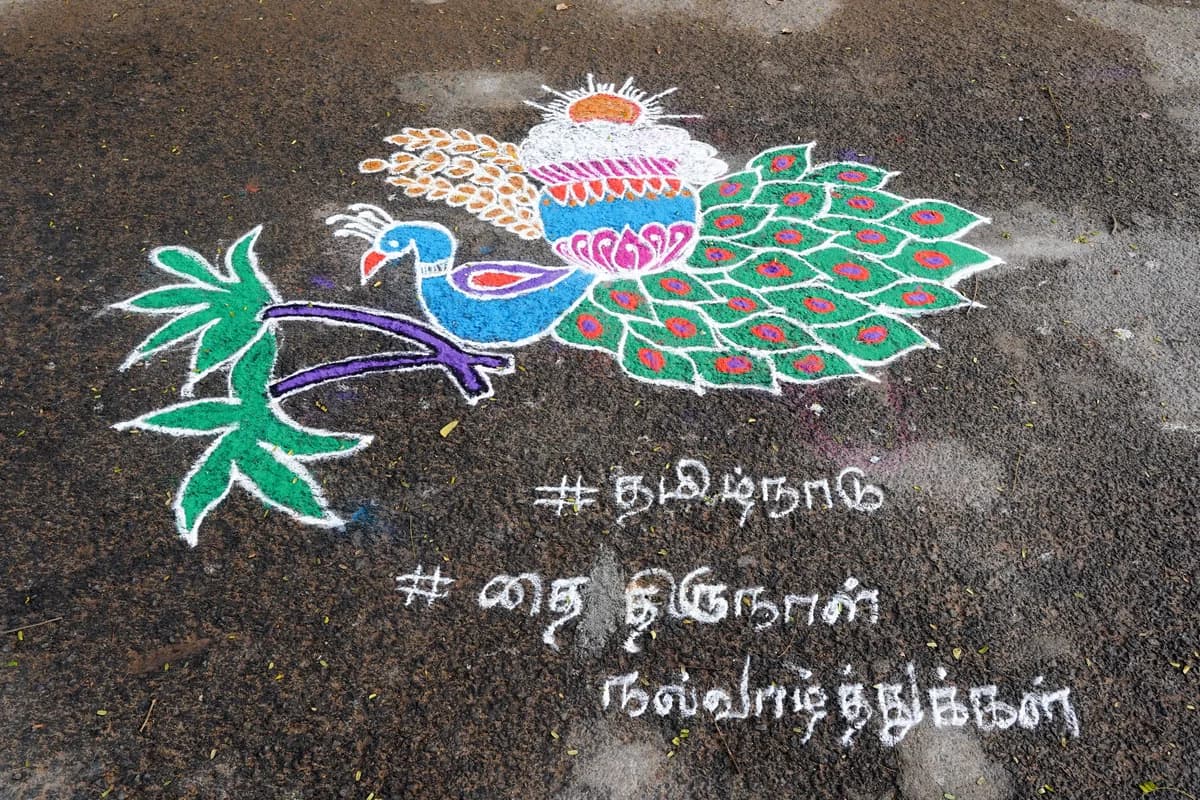
Thai Pongal is a 4-day Tamil harvest festival dedicated to the Sun God (Surya) and Mother Nature, expressing gratitude for bountiful crops.
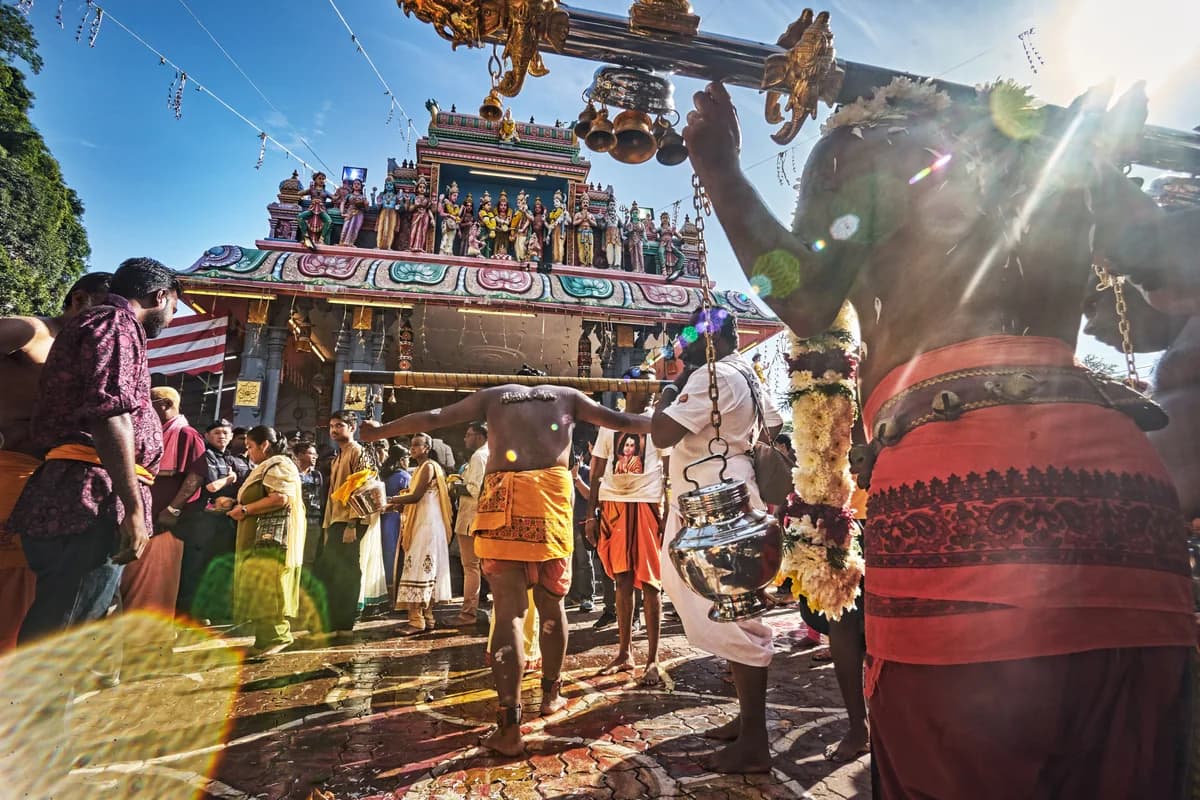
Thaipusam is a major Tamil festival commemorating Goddess Parvati bestowing the divine Spear (Vel) upon Lord Murugan (Kartikeya) to vanquish the demon Soorapadman, celebrated with Kavadi Aattam penance.
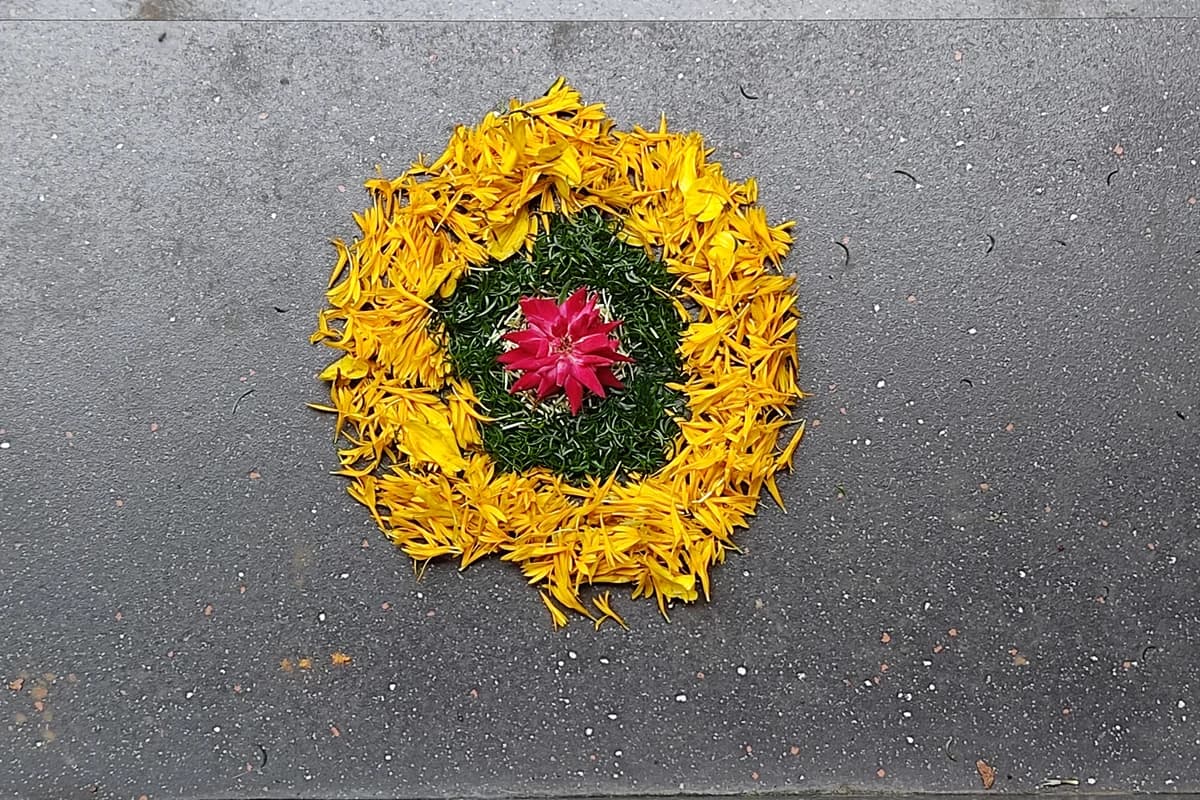
Onam is a 10-day harvest festival of Kerala celebrating the annual return of the benevolent King Mahabali and the grace of Lord Vishnu's Vamana Avatar.
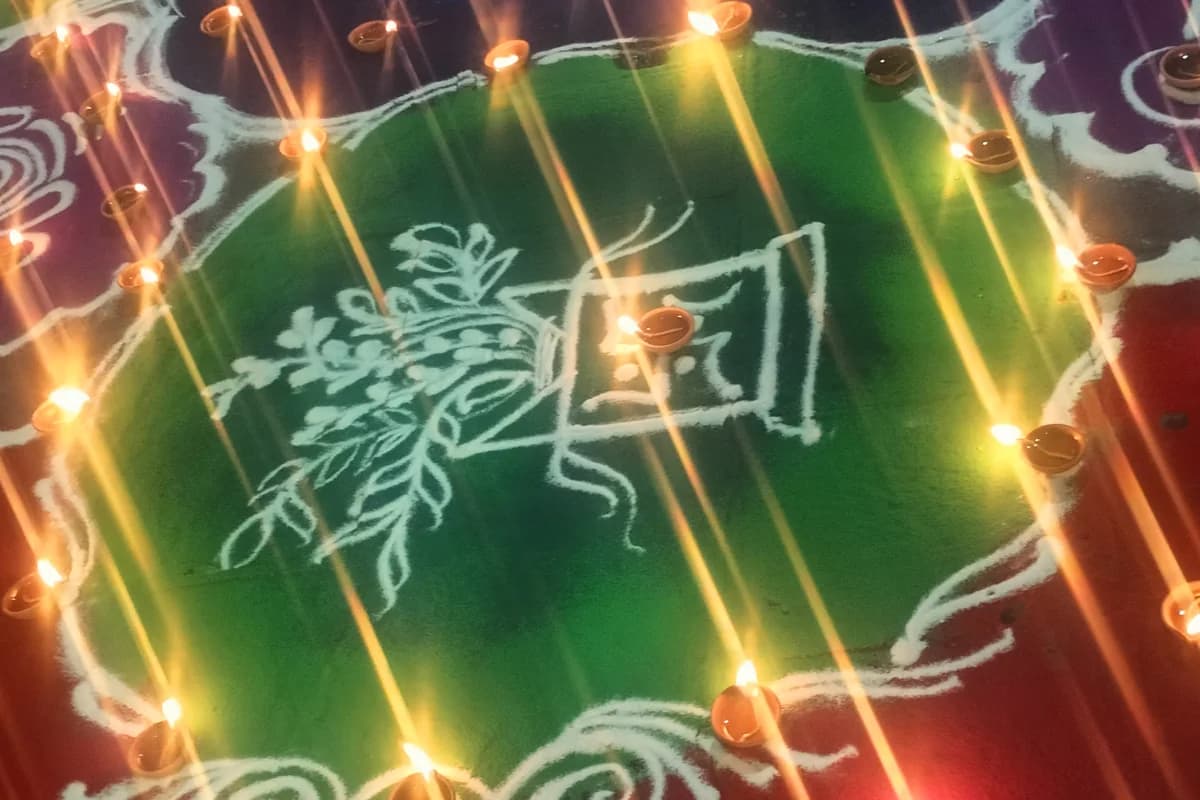
Tulsi Vivah is the ceremonial marriage of Tulsi Devi (Holy Basil) to Lord Shaligram (Vishnu), marking the official commencement of the Hindu wedding season.
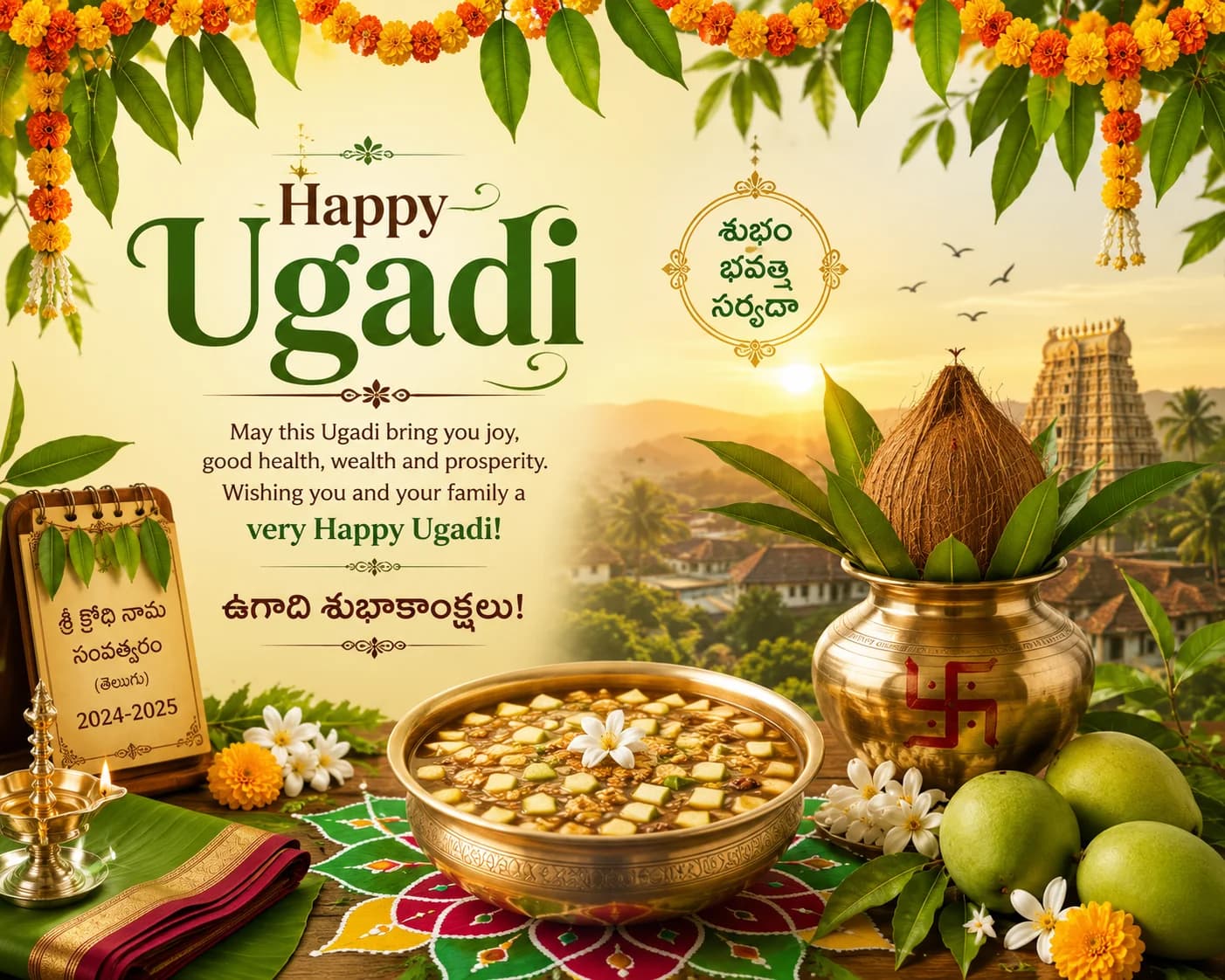
Ugadi (derived from Yuga-Adi, 'beginning of a new era') is the New Year festival celebrated in Andhra Pradesh, Telangana, and Karnataka, marking Lord Brahma's creation of the universe.
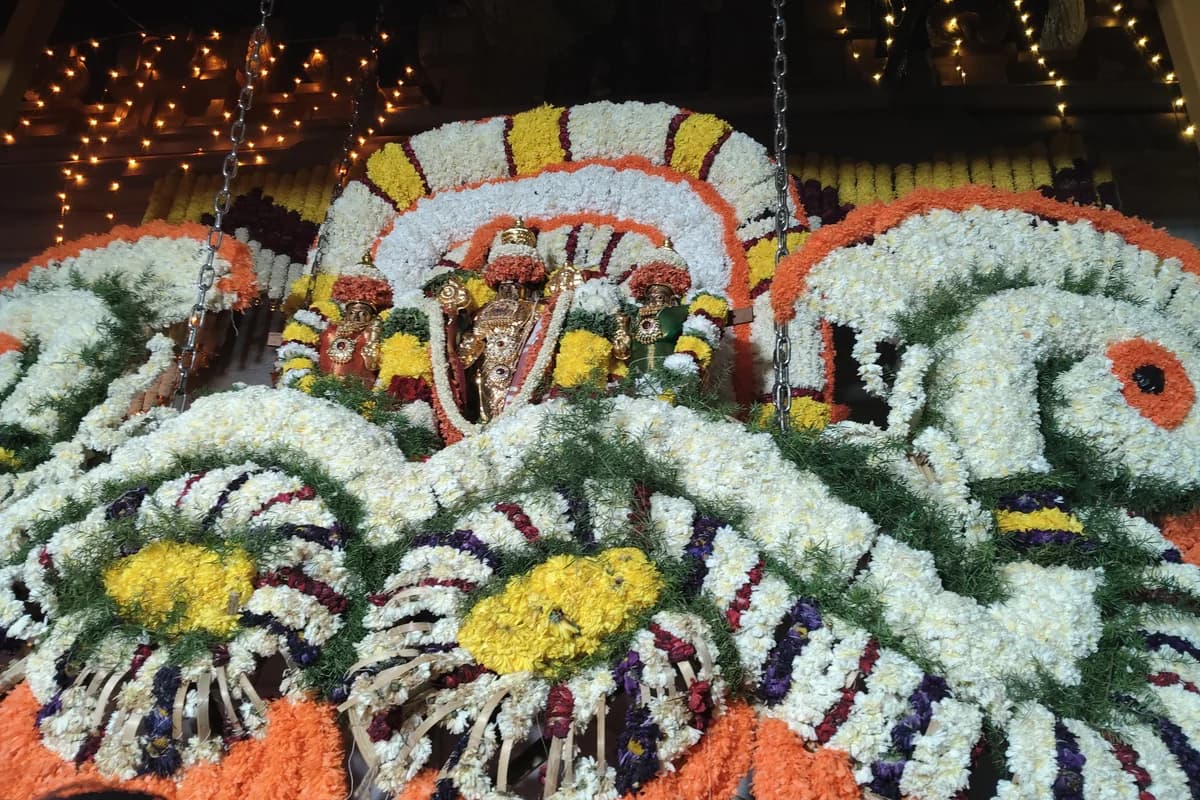
Vaikunta Ekadashi is celebrated in Vishnu temples (especially Srirangam & Tirumala) where the 'Swarga Vasal' (Heavenly Gate) is opened for devotees to pass through and attain Vaikunta liberation.
Vasant Panchami heralds the arrival of Spring (Vasant Ritu) and marks the birth anniversary of Goddess Saraswati, the deity of wisdom, music, learning, and arts.
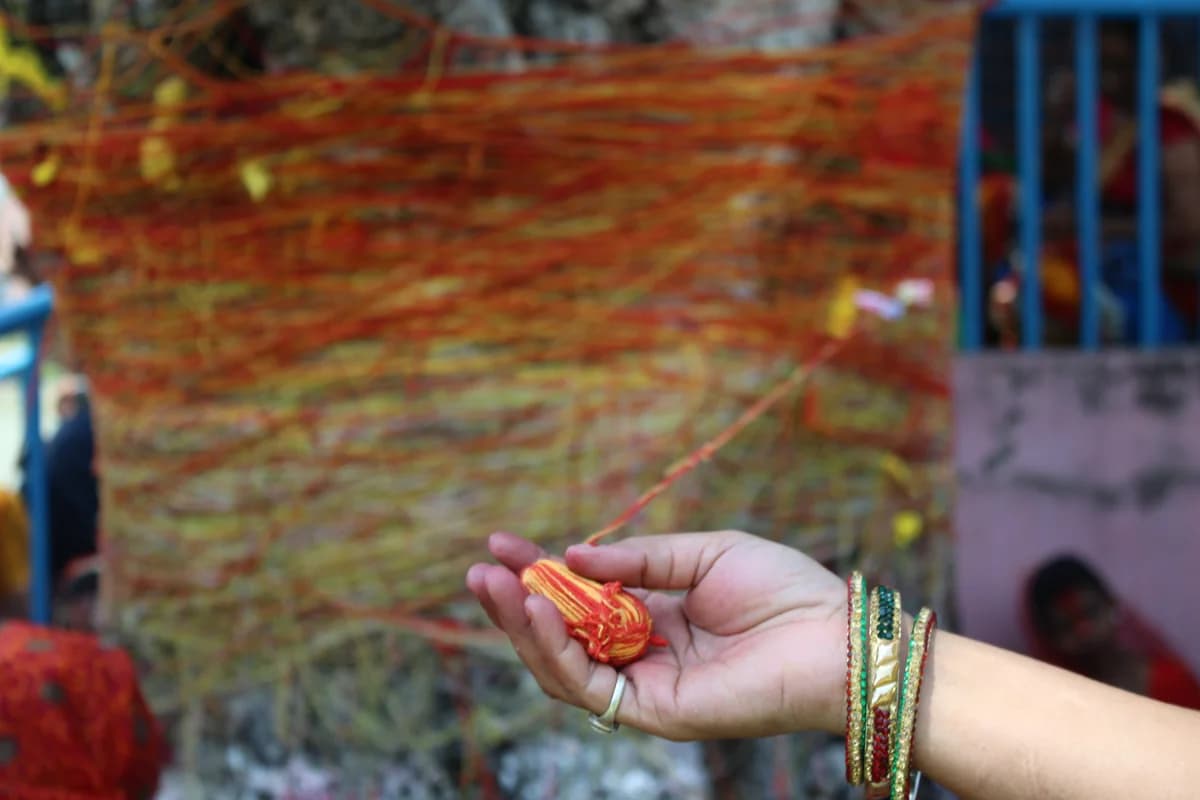
Vat Savitri Vrat is observed by married women worshipping the sacred Banyan tree (Vat Vriksha) and remembering Savitri, who reclaimed her husband Satyavan's soul from Lord Yama.
Vijayadashami (Dussehra) celebrates the victory of Lord Rama over Ravana and Goddess Durga over Mahishasura, symbolizing the triumph of Good over Evil.
Vishu is the Malayalam astronomical Solar New Year festival of Kerala, celebrated by viewing the sacred Vishukkani arrangement at dawn for auspicious prosperity throughout the year.
Explore the grand multi-day celebrations that bring families, temples, and communities together in shared spiritual communion.
 Sharad (Autumn / Kartik)
Celebrate the supreme victory of light over darkness and knowledge over ignorance with Lakshmi Puja, Dhanteras, Govardhan Puja, and brother-sister bond of Yama Dwitiya.
Sharad (Autumn / Ashvin)Nine sacred nights invoking the primordial feminine power (Adi Parashakti) in Her nine divine forms (Navadurga), culminating in the grand victory celebration of Vijayadashami.
 Shishir (Phalguna)
The auspicious nocturnal vigil celebrating Lord Shiva’s cosmic Tandava, divine union with Mother Parvati, and the eternal cosmic pillar of light (Lingodbhava).
Varsha (Bhadrapada)Commemorating the midnight appearance of Bhagwan Shri Krishna in Mathura to protect Dharma, celebrated with fasting, nocturnal vigil, temple darshan, and joyful Dahi Handi.
Varsha (Bhadrapada)Welcoming Bhagwan Ganesha into homes and public pandals with Modak offerings, Atharvashirsha recitations, and joyous Visarjan processions across 10 devotion-filled days.
Vasant (Phalguna Purnima)Celebrating the divine protection of Bhakta Prahlad through Holika Dahan, Bhagwan Narasimha’s grace, and the joyous arrival of spring with organic colors and sweet Gujiya.
Shishir (Magha / January)Honoring Lord Surya’s celestial entry into Capricorn (Makara Rashi) and the northward journey of the Sun, celebrated as Pongal in Tamil Nadu, Uttarayan in Gujarat, and Maghi in Punjab.
Sharad (Kartik Shukla Shashthi)An ancient Vedic 4-day observance of austere purification, where devotees stand waist-deep in holy rivers to offer evening and dawn Arghya to Lord Surya and Goddess Usha.
Why Sanatan festivals are not mere social gatherings, but conscious portals for self-renewal, dharmic harmony, and cosmic attunement.
Every Hindu festival aligns precisely with celestial transitions: solar equinoxes, solstices (Sankranti), or specific lunar phases. Celebrations adjust bodily doshas and psychological states to the changing seasons (Ritu Chakra).
From the return of Lord Rama to Ayodhya to Goddess Durga subduing Mahishasura and Prahlad surviving Holika, festivals dramatize the eternal truth that righteousness and spiritual vigilance invariably triumph over destructive arrogance.
Fasting (Vrats), nocturnal vigils (Jagaran), and concentrated mantra recitation channel elevated cosmic energies. These practices purify the nervous system, quiet the restless mind, and elevate human consciousness toward the Divine.
Festivals mandate practical selflessness through Anna Daan (feeding living beings), debt reconciliation, and family homecoming. Generational bonds are reinforced as elders pass living wisdom naturally to younger generations.
Foundational principles to help you and your family prepare for sacred celebrations with clarity, reverence, and shastric authenticity.
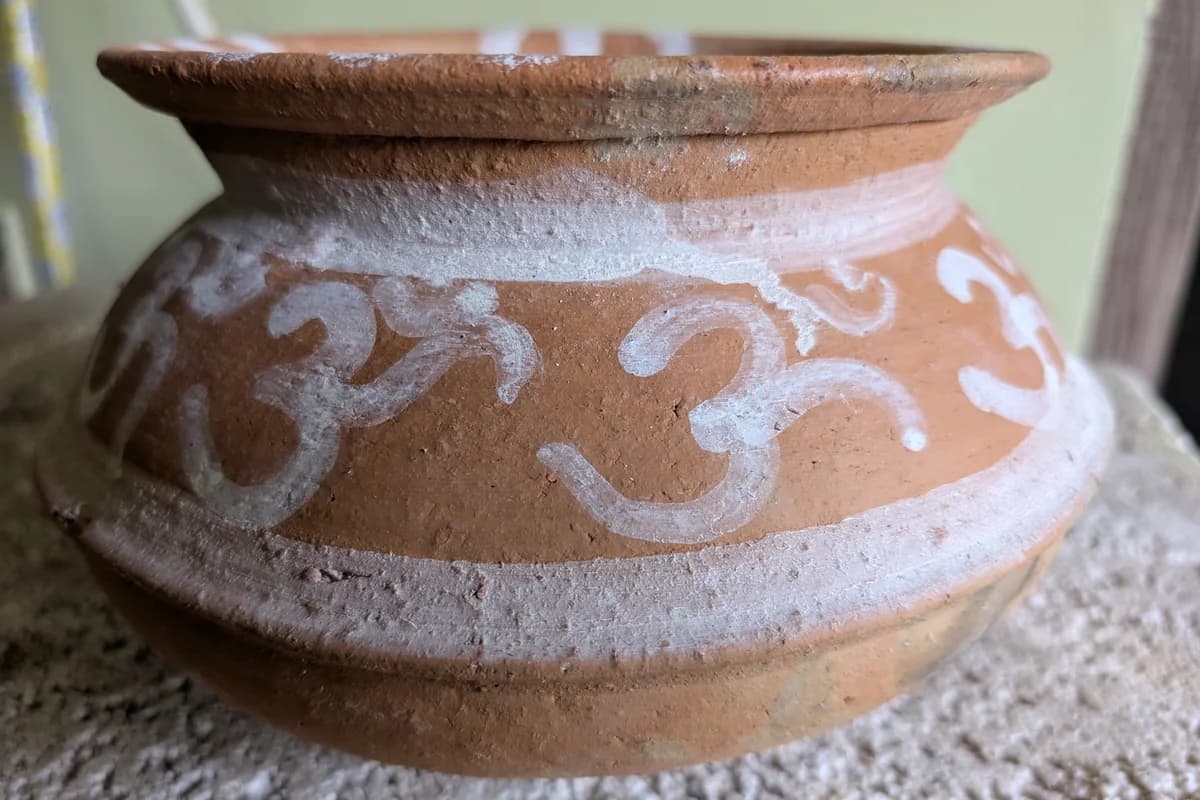
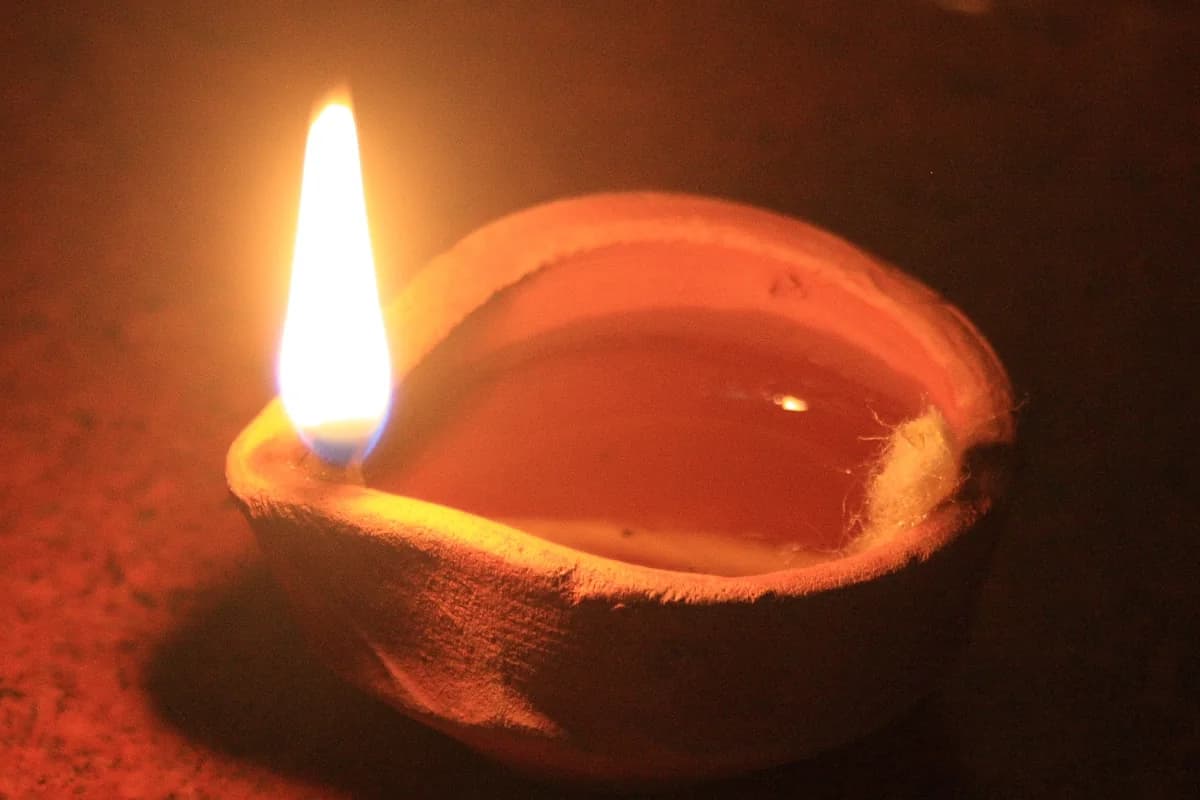
Understanding the symbolic purpose of pure offerings: brass or clay diyas with desi cow ghee, unblemished akshata (rice), cooling sandalwood (chandan), gangajal, and fresh seasonal flowers.
Fasting in Sanatan Dharma is a spiritual discipline, not self-punishment. Observances vary from Phalahar (fruits and milk) to waterless vigils (Nirjala) depending on tradition and individual physical capacity.
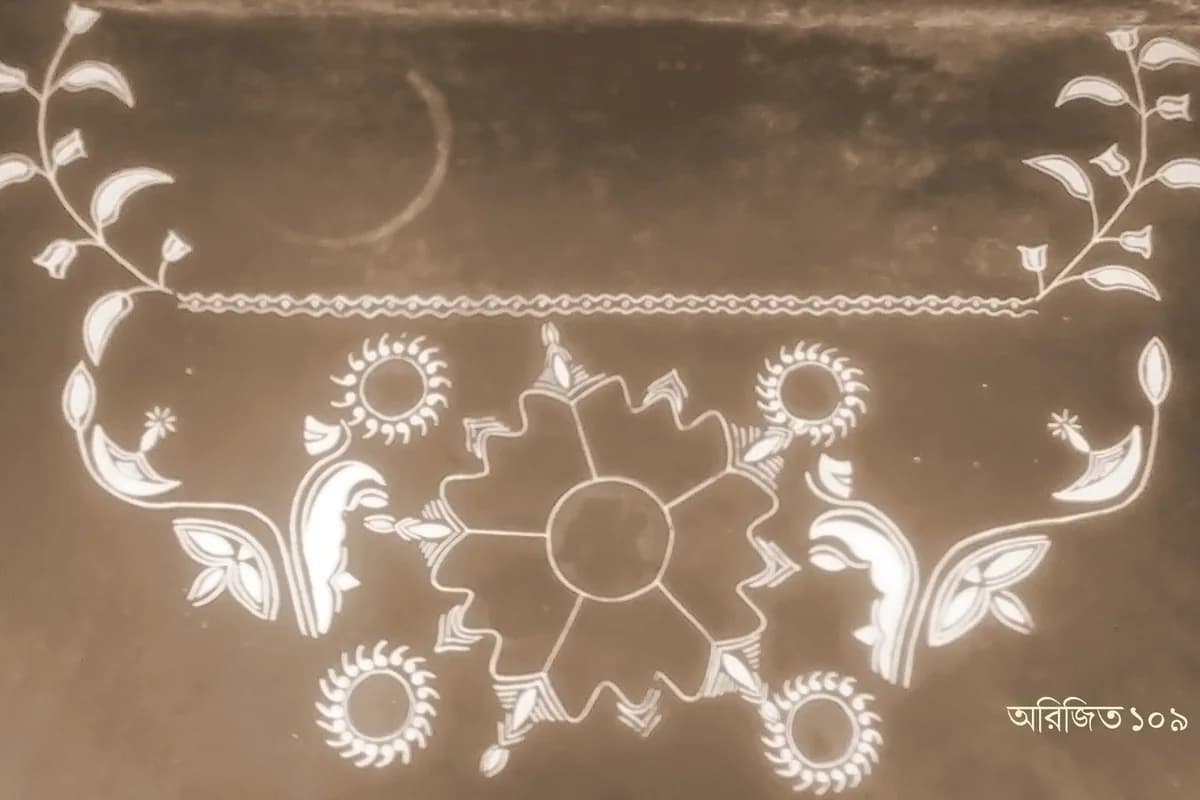
Purifying the home entryway with sacred Rangoli, Kolam, or Alpona, fresh mango leaf torans, and doorway diyas to create an energetically receptive, uplifting sanctuary for divine vibrations.
Important Shastric Note: Specific ritual procedures, fasting guidance, and customary offerings naturally vary across regions, sampradayas, and family lineages (Kula-Dharma). SattvaLok provides authentic educational guidance, while honoring the sovereignty of your own living family traditions.
Experience how distinct geographies, languages, and artistic lineages celebrate the sacred across India's cultural canvas.
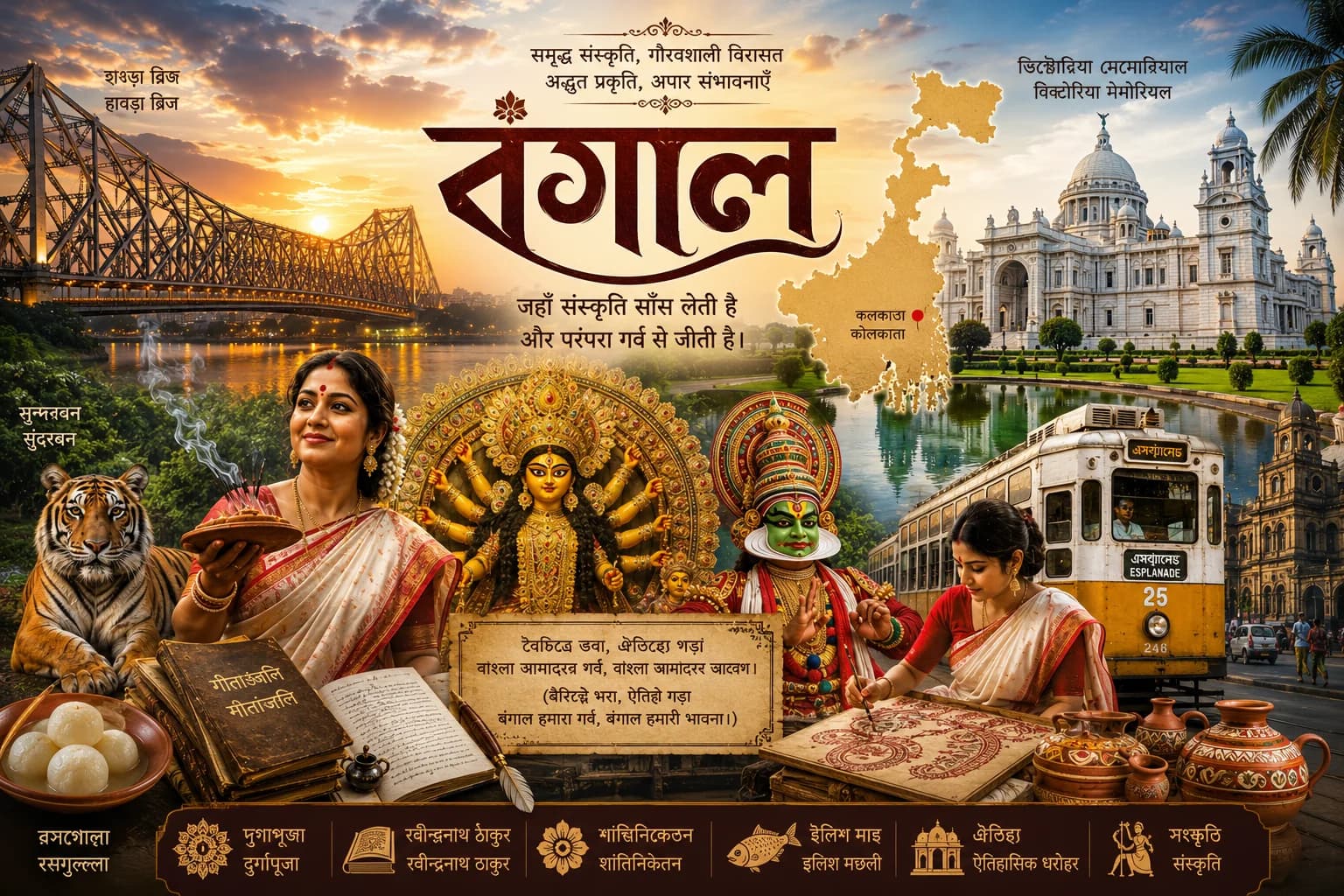
Mother Durga is welcomed as a beloved daughter returning home. Pandal art, devotional Dhunuchi dance to Dhak drum beats, and emotional Sindoor Khela create an unparalleled celebration of community and motherly devotion.
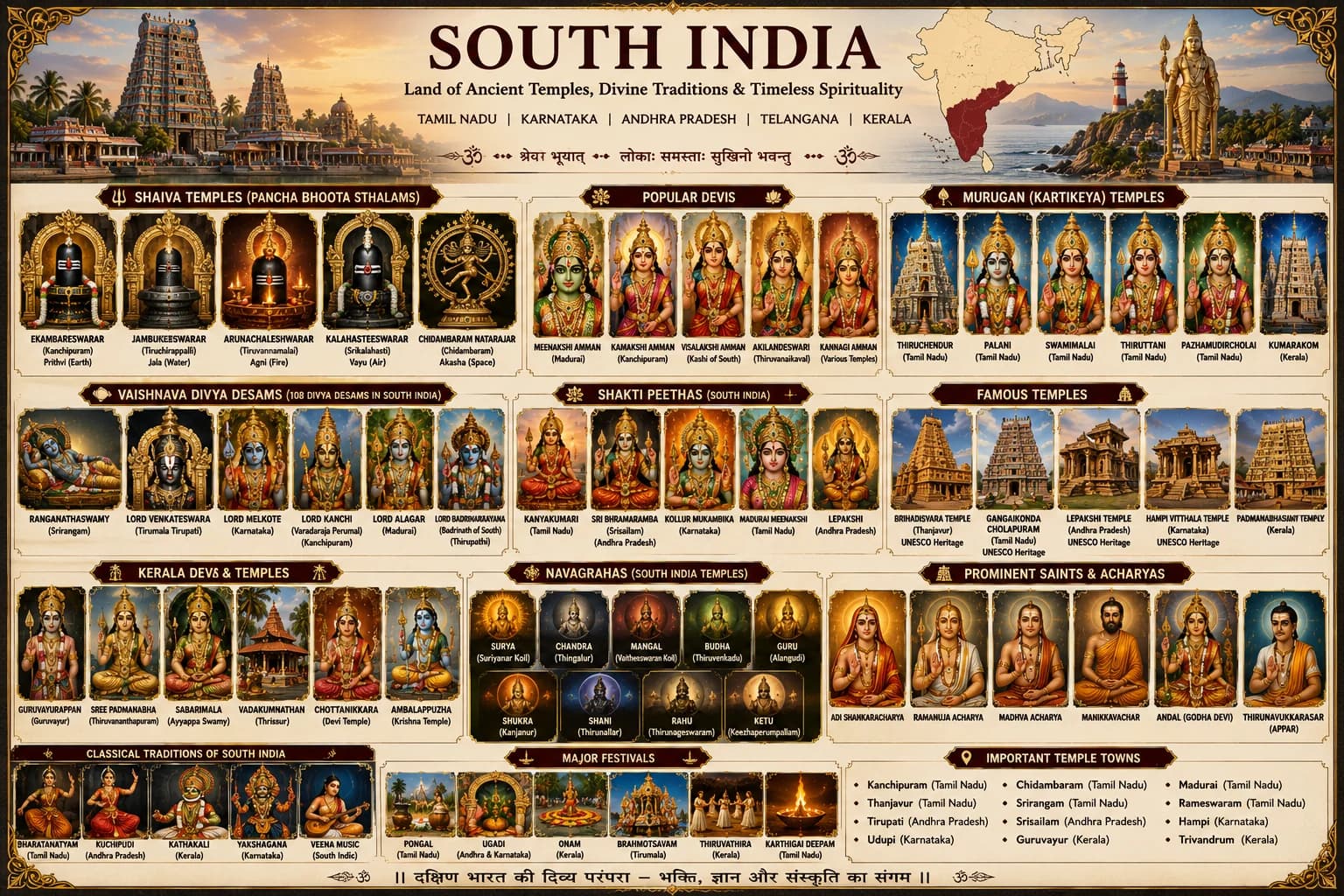
Marking the Sun God's northward journey, fresh milk and rice boil over earthen pots amidst joyous shouts of “Pongalo Pongal!”, followed by Mattu Pongal honoring the vital role of cattle in agriculture.
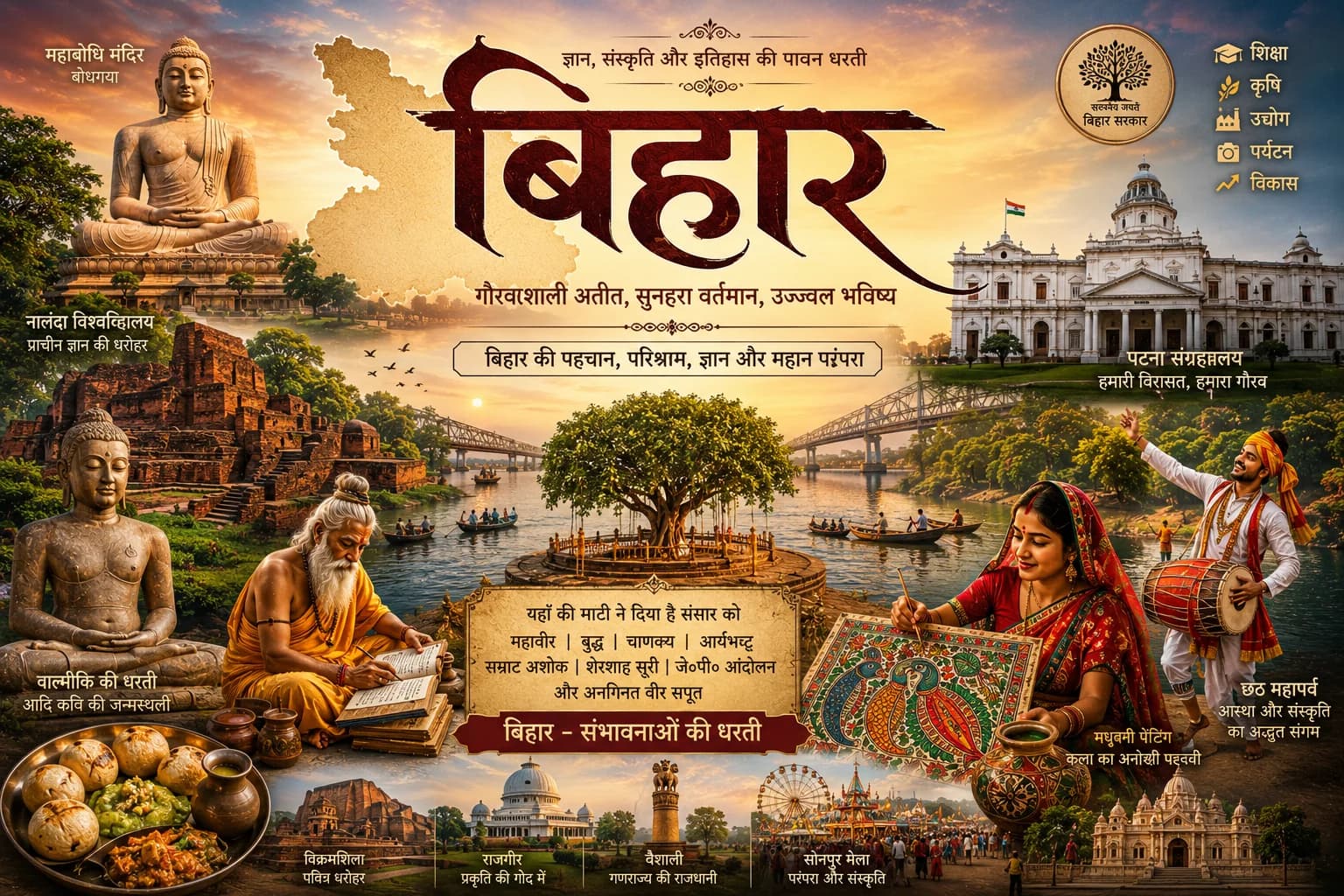
Devotees observe a rigorous 36-hour waterless fast and stand waist-deep in holy rivers to offer evening and dawn Arghya to Lord Surya and Chhathi Maiya, with no intermediary priests—a pure, egalitarian Vedic practice.
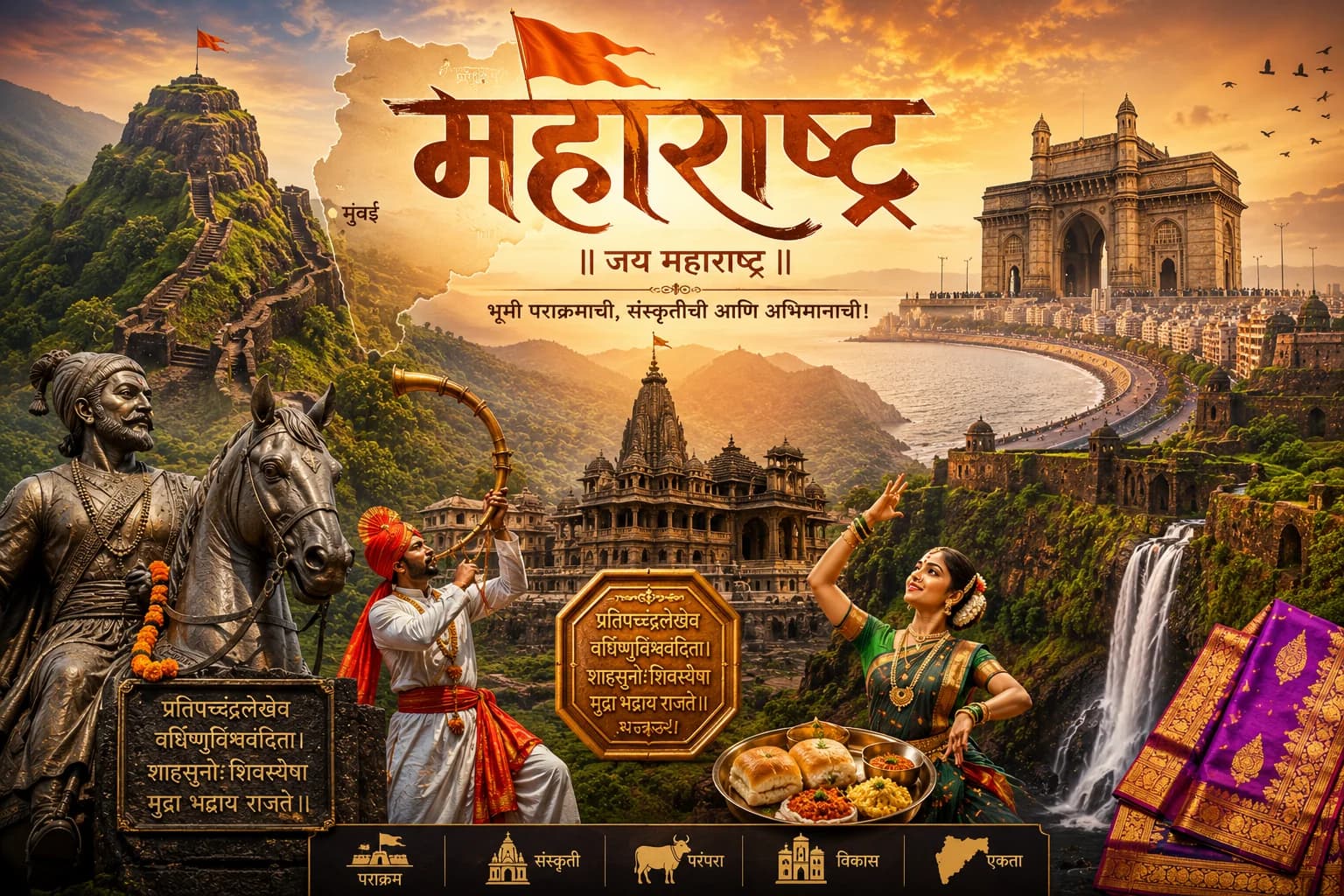
Transformed by Lokmanya Tilak into a unifying national movement, Ganesh Chaturthi unites neighborhoods through majestic idols, modak offerings, synchronized Dhol-Tasha rhythms, and heartfelt Visarjan.
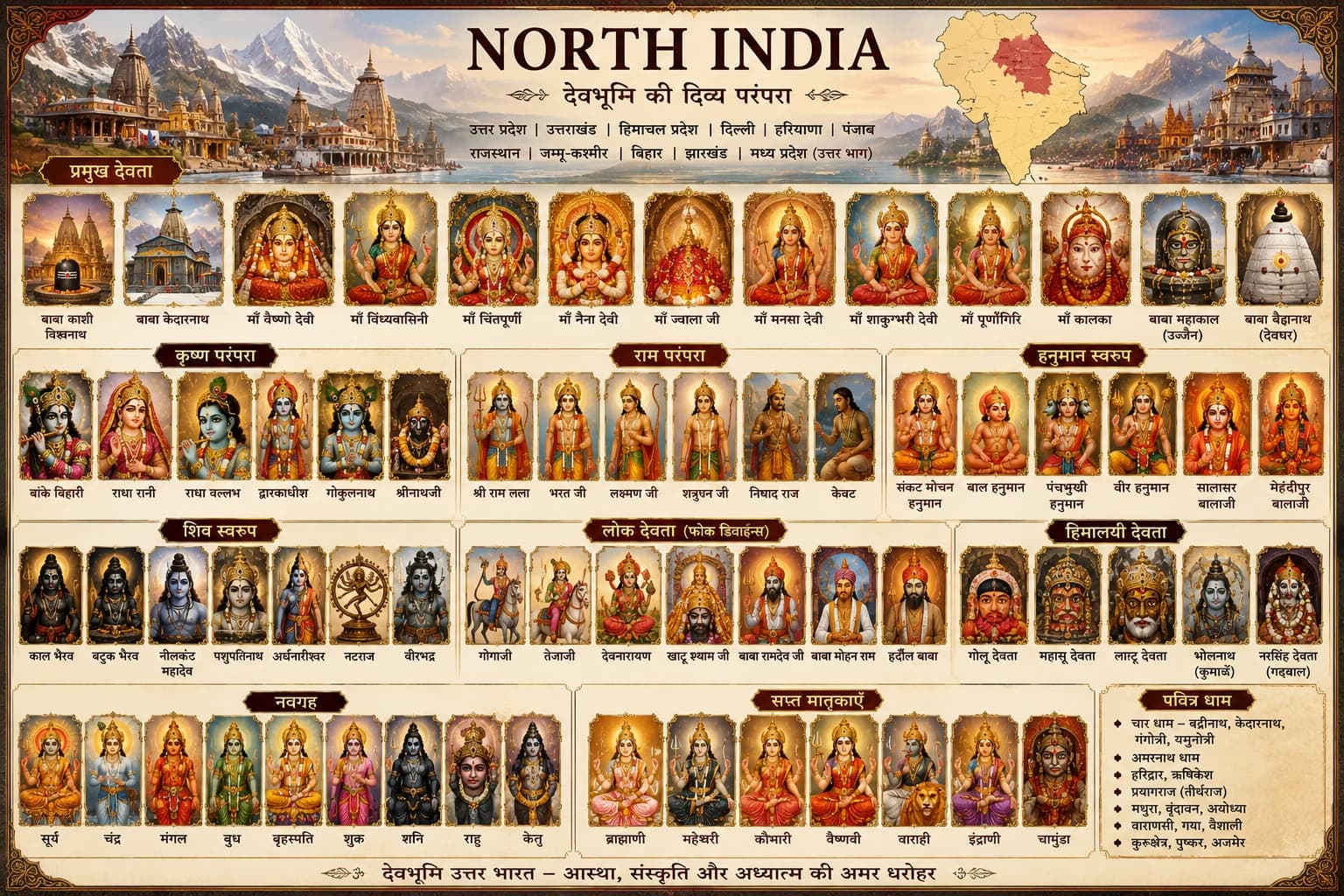
In Barsana, Nandgaon, and Vrindavan, Holi is experienced as pure Bhakti. Devotees shower petals in temples, re-enact the playful banter of Radha-Krishna, and dissolve social barriers in divine joy.
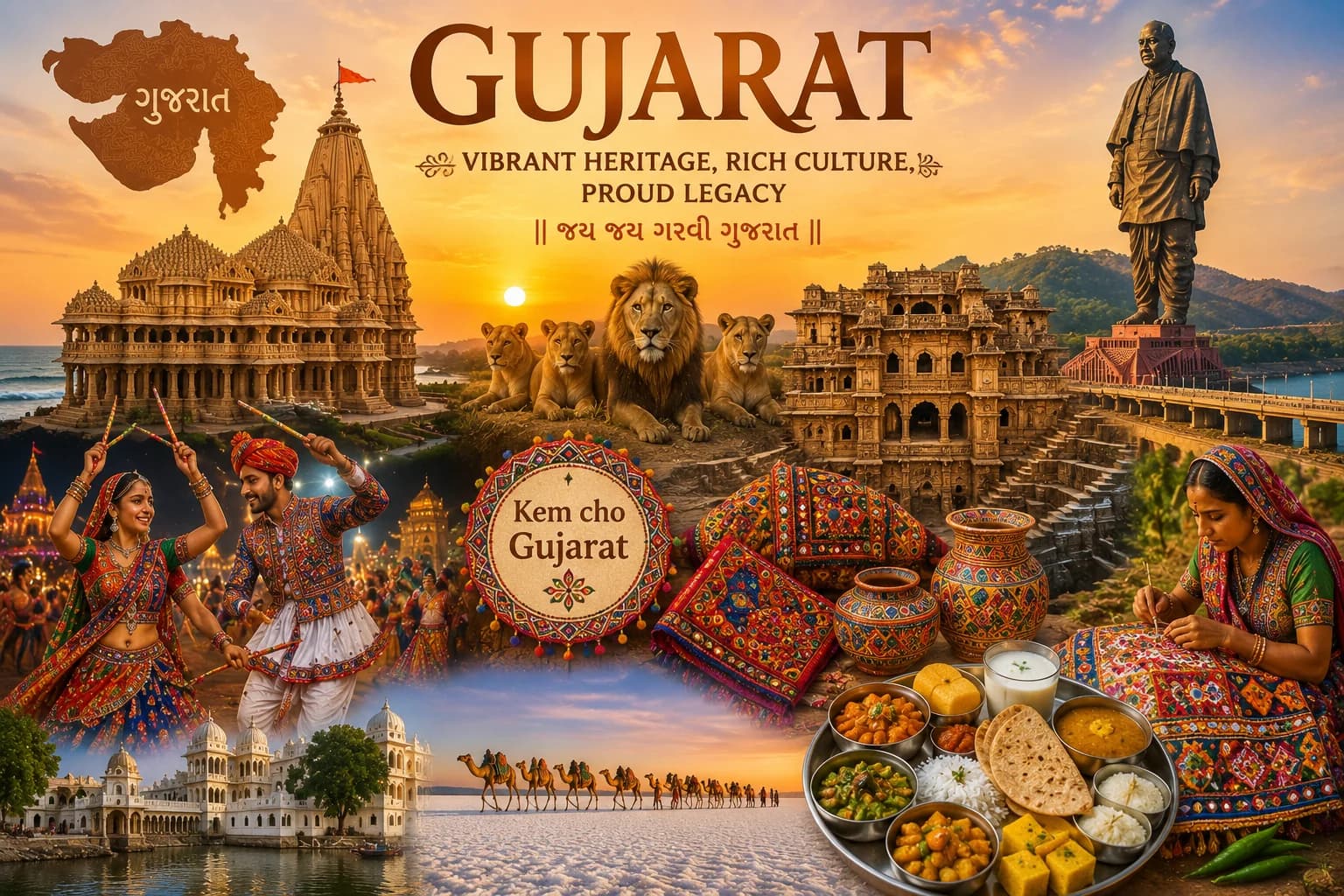
Dancing in concentric circles around an illuminated earthen pot (Garbha Deep) symbolizing the divine womb of the universe, millions honor Mother Amba through devotional singing and rhythmic hand-clapping.
Vedic festival dates depend on celestial geometry: lunar tithis, planetary nakshatras, and local sunrise (Udaya Tithi). Explore our dedicated, high-precision astronomical engine to verify exact muhurtas for your city.
Grounded in the Ramayana, Mahabharata, and classical Puranas, these sacred stories illuminate the spiritual purpose of each observance.
During the cosmic churning of the celestial ocean by Devas and Asuras, Goddess Lakshmi emerged in radiant splendor on Kartik Amavasya, selecting Lord Vishnu as Her eternal consort. Diwali lamps celebrate Her divine entry into clean, receptive households.
Read Deepavali Narrative →After fourteen long years of exile and the defeat of Ravana, Bhagwan Rama, Sita, and Lakshmana returned to their capital. The citizens of Ayodhya illuminated the dark moonless night with countless clay diyas, welcoming the reign of righteousness (Ramrajya).
Read Ramayana Context →When Brahma and Vishnu sought to measure who was supreme, Lord Shiva manifested as a boundless pillar of fire with neither beginning nor end. Maha Shivaratri honors this revelation of transcendent infinity and the divine marriage of Shiva and Parvati.
Read Shivaratri Chronicle →When tyrant king Hiranyakashipu commanded his sister Holika to sit in fire with young Prahlad, her protective boon was nullified by her malevolence. Prahlad emerged unharmed through pure devotion, commemorated in the sacred Holika bonfire.
Read Holika Dahan Vidhi →Continue exploring the wisdom, traditions, festivals, and spiritual experiences of Sanatan Dharma with SattvaLok.