
Parashurama Jayanti
Parashurama Jayanti celebrates the birth of Lord Parashurama, the 6th Avatar of Lord Vishnu, born to Sage Jamadagni and Mata Renuka to restore Dharma and defeat tyrannical kings.
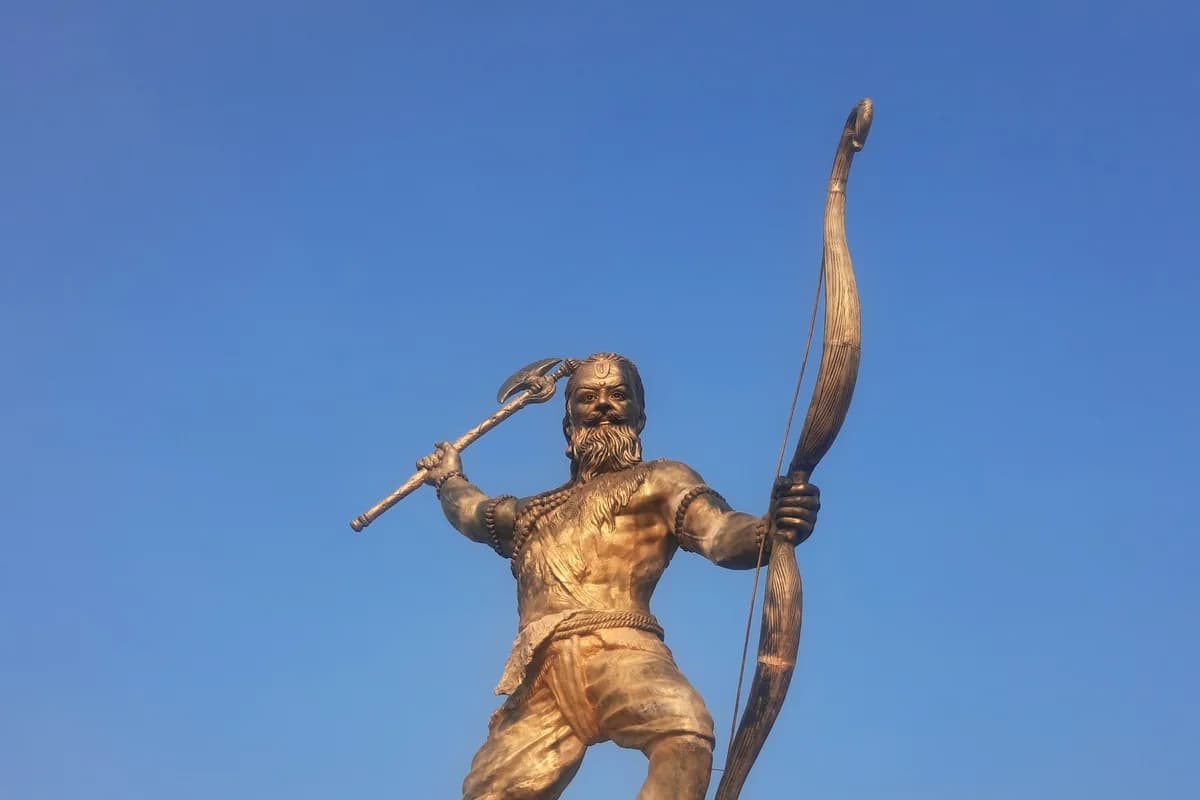 Vaishakha Shukla Tritiya
Essential Puja Samagri Checklist
Traditional items customarily assembled before commencing the sacred ritual:
- Clay / Brass Diya (दीपक) with pure Desi Cow Ghee
- Pure Roli, Kumkum, Chandan (Sandalwood paste) and Akshata (unbroken rice)
- Gangajal (Sacred water) in Kalash
- Fresh seasonal fragrant flowers, Tulsi leaves, and Bilva patra (as appropriate)
- Dhoop (Incense) and Camphor (Karpura) for Aarti
- Moli (Sacred Kalava thread) and Janeu
- Naivedyam: Fresh seasonal fruits, dry fruits, and pure homemade sweets
- Betel leaves (Paan), Supari, Cloves (Laung), and Cardamom (Elaichi)
Frequently Asked Questions
How is the observance date of Parashurama Jayanti determined?
In Vedic astronomical calculations, Parashurama Jayanti is observed on Vaishakha Shukla Tritiya. Because Hindu calendar days begin with local sunrise (Surya Udaya), exact puja timings (Muhurta) depend on when the auspicious Tithi prevails in your specific geographical location.
Are there fasting (Vrat) guidelines associated with this festival?
Fasting practices vary across families and sampradayas. Common observances range from Phalahar (consuming fruits and milk), fasting until twilight pradosh kaal, to a complete waterless vigil (nirjala). Seekers observe according to personal health and lineage traditions.
What is the core spiritual significance behind this celebration?
Parashurama Jayanti celebrates the birth of Lord Parashurama, the 6th Avatar of Lord Vishnu, born to Sage Jamadagni and Mata Renuka to restore Dharma and defeat tyrannical kings. Celebrating this holy day fosters familial gratitude, charitable sharing (Danam), and attunement with cosmic solar and lunar cycles.
How do regional customs differ across India?
Sanatan Dharma embraces rich regional diversity. While core Vedic mantras and reverence for the divine remain universal, local celebrations reflect distinct linguistic hymns, traditional culinary offerings, and cultural expressions.
Related Festivals & Observances
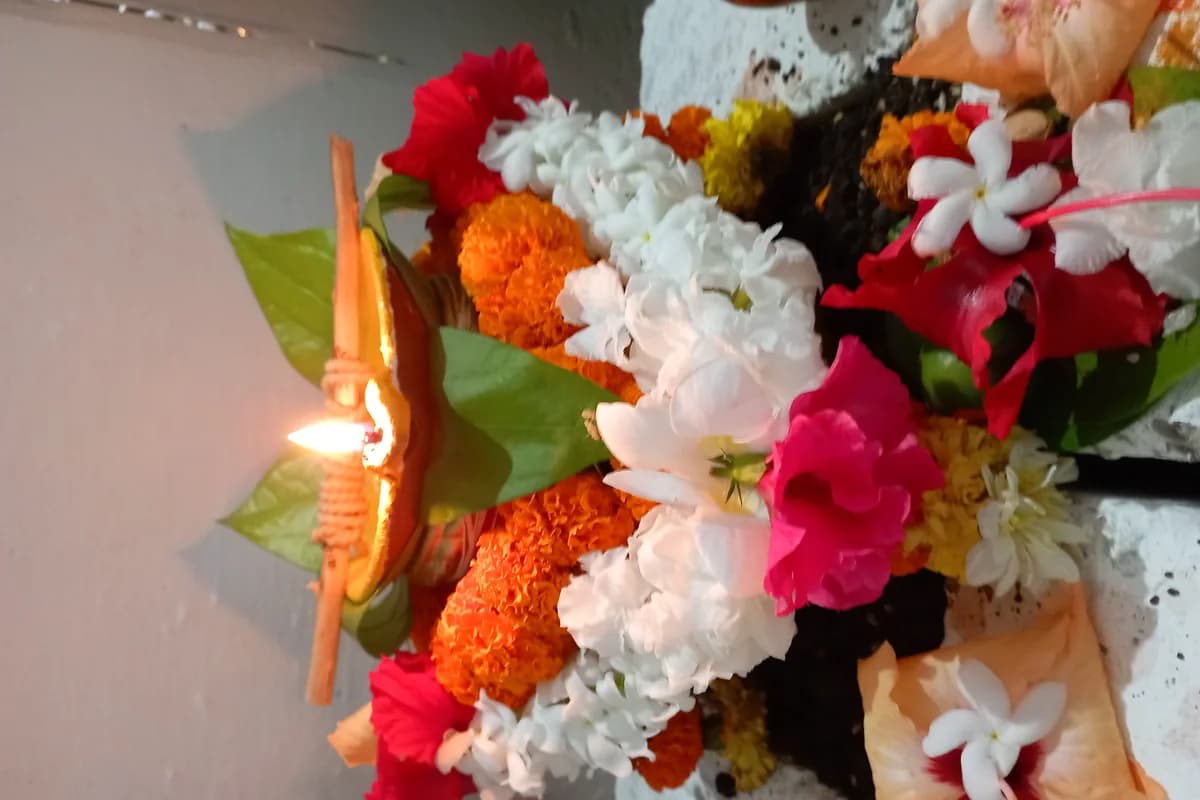
Akshaya Tritiya (Akha Teej)
Akshaya Tritiya is an auspicious day of eternal, imperishable merit ('Akshaya'), marking the descent of River Ganga to Earth, birth of Lord Parashurama, and Kubera receiving divine wealth.
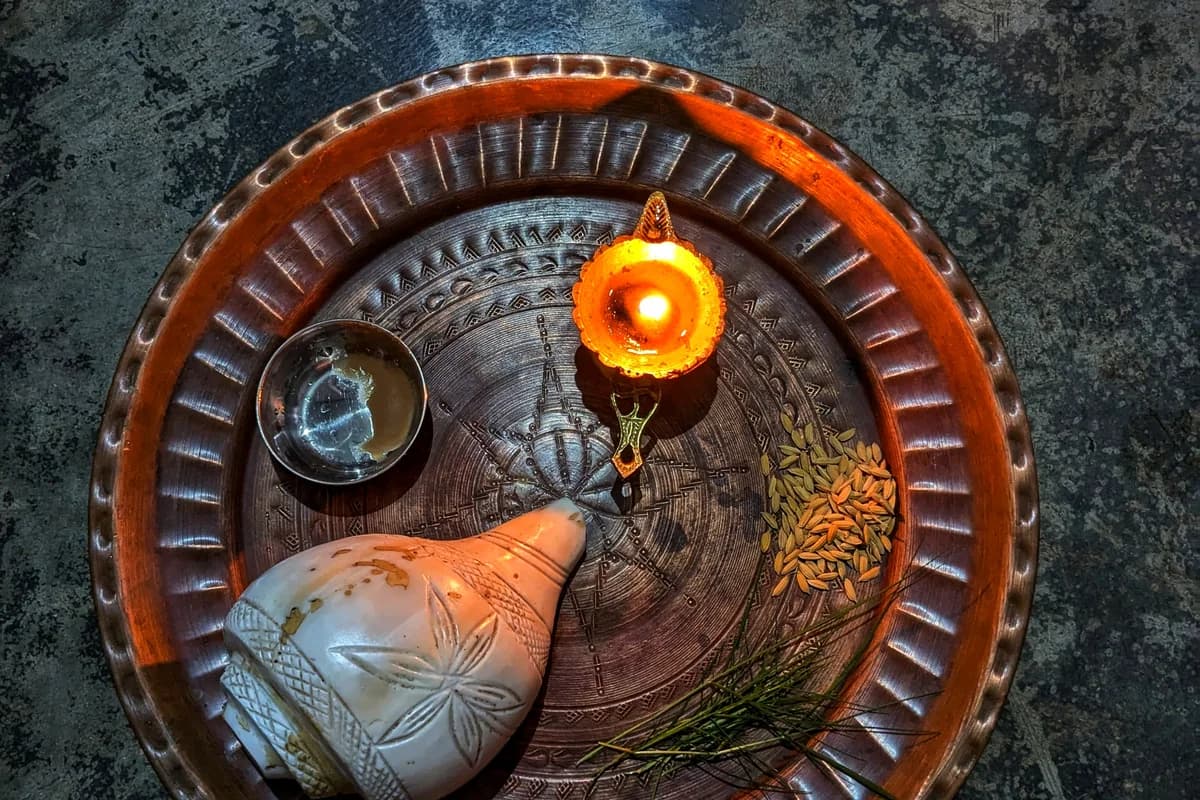
Bhai Dooj (Yama Dwitiya)
Bhai Dooj concludes the 5-day Diwali festival, celebrating the eternal bond between brother and sister inspired by Goddess Yamuna welcoming Her brother Lord Yama.
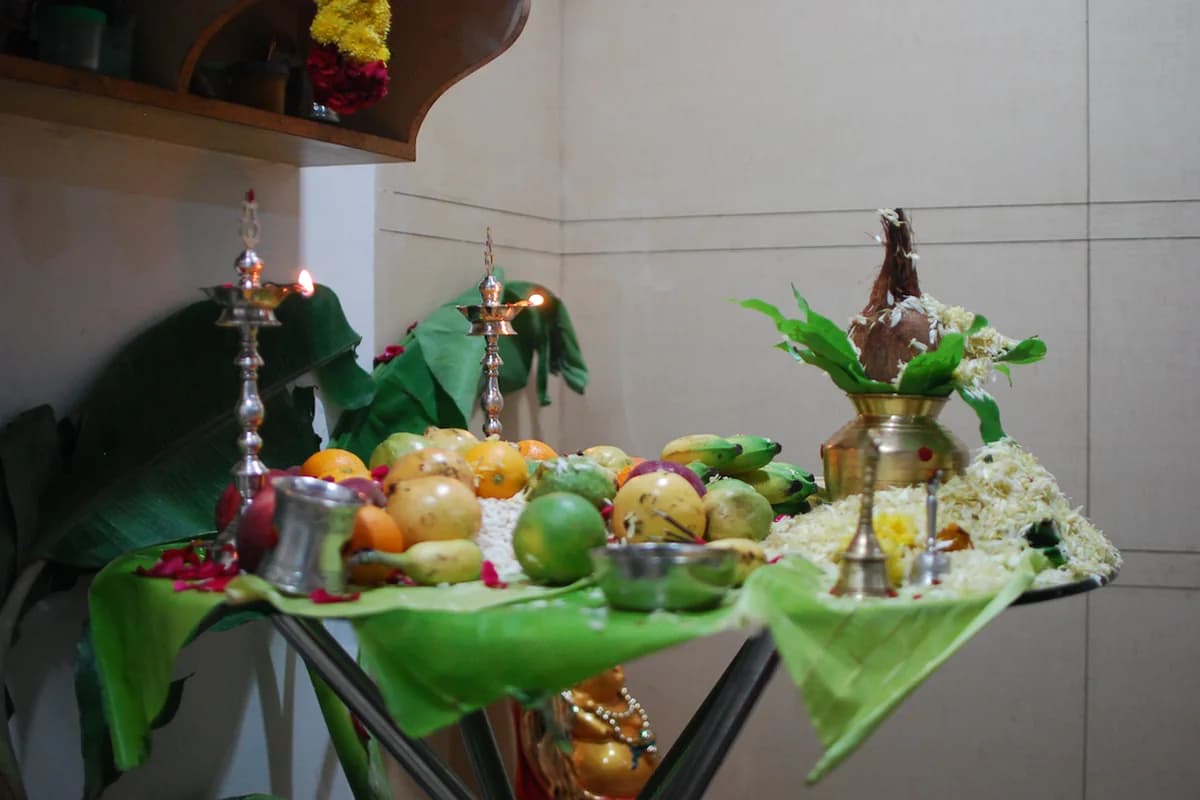
Chaitra Navratri (Vasant Navratri)
Chaitra Navratri marks the spring 9-night adoration of Goddess Durga, beginning on the Hindu New Year (Chaitra Pratipada) and culminating in Shri Ram Navami.