
Ahoi Ashtami
Ahoi Ashtami is a traditional fast observed by mothers on Kartik Krishna Ashtami for the longevity, health, and well-being of their children.
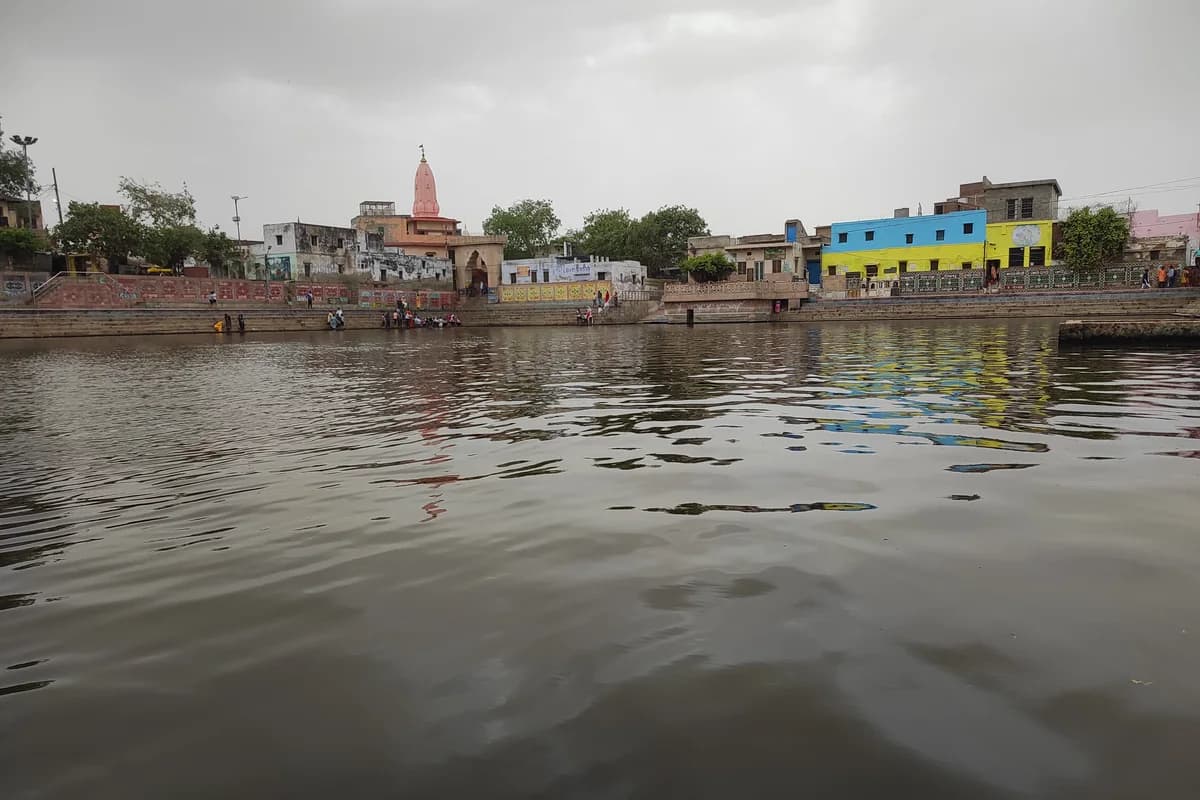 Ashtami (8th Lunar Tithi)
Lexical, Linguistic & Historical Contextऐतिहासिक समीक्षा
Within the pan-Indian taxonomy of protective maternal deities (Matrikas and Bala-graha-harinis described in the Mahabharata Vana Parva and Sushruta Samhita Uttaratantra), Ahoi Mata occupies the autumn counterpart to Shashthi Devi and Shitala Mata. The traditional eight-cornered Ahoi Ashtami wall mural (Ashtakona Mandala) preserves ancient geometric Yantra iconography depicting the Mother Goddess alongside the cub-bearing Syahu (burrow creature), encoding the karmic sanctity of maternal life across all species.
०१. Nirukta & Etymological Exegesisनिरुक्तम् एवं व्युत्पत्तिः
Traditional Sanskrit hermeneutic breakdown of sacred nomenclature, Paninian verbal roots (dhātu), and theological derivations:
Derived from the Sanskrit/Prakrit compound An-honi (अन्-होनी / Abhūta-ariṣṭa-hāriṇī — 'She who averts untoward calamity or misfortune') -> Ahonī -> Ahoī, combined with Aṣṭamī (the eighth lunar digit).
Venerated as a protective Matrika manifestation of Goddess Parvati (Ambika) who removes maternal grief (A-śoka) and shields children from affliction.
In the Padma Purana (Kartika Mahatmya) and Vraja Vaishnava liturgy, Bahulā denotes the dark fortnight (Kṛṣṇa Pakṣa) of Kartika, commemorating the midnight manifestation of Śrī Rādhā-Kuṇḍa and Śyāma-Kuṇḍa.
The sacred heirloom pendant of Ahoi Mata flanked by silver beads (representing progeny) threaded upon a red or white Kalāvā cord worn by mothers.
०२. Astronomical Ephemeris & Dharma-Śāstra Rulesखगोलीय निर्णयः एवं सिद्धान्तः
Observed on Kartika Krishna Ashtami (Purnimanta) / Ashvina Krishna Ashtami (Amanta), exactly four days after Karwa Chauth and seven days before Deepavali. Because the waning eighth-day Moon rises late near midnight, the majority North Indian maternal tradition observes Tarodaya-Vyapini Ashtami (offering Arghya when the evening stars emerge during Pradosha), whereas the Vraja Bahulashtami pilgrimage observes Nishitha-Vyapini Ashtami (astronomical midnight) often conjoined with Pushya or Punarvasu Nakshatra.
Bahulashtami Midnight Snana Rule at Govardhan Radha-Kunda
Padma Purana (Patala Khanda, Kartika Mahatmya) & DharmasindhuNear Govardhan Hill lies Radha-Kunda, supremely dear to Lord Hari. Bathing in its sacred waters during Nishitha Kaal on Kartika Krishna Bahulashtami bestows both virtuous progeny and direct devotion to Shri Hari.
Tarodaya vs. Chandrodaya Arghya Lineage Rule
Vrataraja & Regional Kartika Vrata PaddhatisFor the maternal Ahoi Ashtami Nirjala fast, Ashtami prevailing at dusk/starlight (Pradosha/Tarodaya) governs the wall-mural puja and star-Arghya. Lineages following late-night moonrise Arghya wait for the rising of the Krishna-Ashtami Moon.
०३. Scriptural Foundations & Puranic Hermeneuticsशास्त्रीय प्रमाणानि एवं परम्पराः
While excavating yellow clay in the forest ahead of Deepavali on Kartika Krishna Ashtami, a virtuous mother of seven sons accidentally struck a subterranean burrow with her hoe (Kudala), killing the young cubs of a Syahu (porcupine/badger). When the grieving Syahu pronounced a curse of child-loss, the woman's youngest daughter-in-law selflessly took the karmic burden upon herself. Guided by a sage to serve an orphaned calf and worship the octagonal form of Ahoi Ambika with a water-filled Karva and Nirjala fast until starlight, her atonement dissolved the karmic debt of inadvertent Himsa and restored all seven sons and grandchildren to flourishing life.
After Bhagwan Shri Krishna slew the bull-demon Arishtasura at Govardhan, Srimati Radharani and the Gopis playfully asked Him to purify Himself by bathing in all sacred rivers. At midnight on Kartika Krishna Ashtami, Krishna struck the earth with His heel to manifest Shyama-Kunda, while Srimati Radharani and Her Sakhis dug the adjacent Shri Radha-Kunda with their broken bangles and filled it with water carried from Manasi-Ganga. Krishna blessed Radha-Kunda that whoever bathes there at midnight on Bahulashtami and offers a white ash gourd (Petha / Kushmanda) is blessed with noble progeny and Prema-Bhakti.
०४. Philosophical & Ayurvedic Tattvaतात्त्विक विमर्शः एवं आयुर्वेद विज्ञानम्
Adhyātmik Significance
आध्यात्मिक तात्पर्यम् · Inner MetaphysicsThe Ahoi Ashtami narrative encodes a profound ecological ethic of Ahimsa: the grief of an animal mother (the Syahu whose burrow was struck while digging soil) carries the same moral weight as human maternal grief. Consequently, digging the earth (Bhumi-khanana) or using sharp needles/blades is strictly prohibited on this day. Iconographically, painting Ahoi Mata within an eight-cornered mandala (Ashtakona Yantra) represents Ashtadha Prakriti (the five elements plus Manas, Buddhi, and Ahankara, cf. Bhagavad Gita 7.4) governed by Para-Prakriti (the Divine Mother), invoking complete physical and psychic protection around the child.
Ayurvedic Ṛtu-Sandhi
ऋतुसन्धि विज्ञानम् · Seasonal Bio-HarmonySituated at the Sharad-Hemanta transition, the ritual use of silver beads (Rajata-mani) in the Syau Mala aligns with Ayurvedic Rasa-Shastra: silver possesses Shita-virya (cooling potency) that stabilizes maternal Prana and pacifies residual autumn Pitta.
Dietary & Fasting Science
उपवास विज्ञानम् · Metabolic & Sattvic AharaThe traditional offering of white ash gourd (Kushmanda / Petha) at Radha-Kunda and in Ahoi rites is praised in Ashtanga Hridaya and Bhavaprakasha Nighantu as the premier Medhya (neuro-protective), Vrishya (reproductive-nourishing), and Pitta-shamaka fruit, while the consecrated water kept in the clay Ahoi Karva is traditionally preserved and mixed into the children's ceremonial bath on Naraka Chaturdashi (Roop Chaudas) five days later to fortify skin immunity before winter.
०५. Canonical Anuṣṭhāna Vidhi & Liturgical Orderपूजा क्रमः एवं मन्त्र विधानम्
Prescribed Canonical Samagrī (पूजोपकरणानि):
Pratah Snana, Ahimsa Niyama & Nirjala Sankalpa
प्रातः स्नान, अहिंसा नियम एवं निर्जला संकल्पAfter bathing at dawn, take the formal Nirjala Vrata Sankalpa for the longevity, health, and dharmic flourishing of one's children. Observe the strict day-long vow of abstaining from digging soil, plucking leaves, or using sharp needles/scissors.
Ashtakona Ahoi Wall Mural & Karva Kalasha Sthapana
अष्टकोण अहोई मण्डल एवं करवा कलश स्थापनाOn a freshly sanctified eastern or northeastern wall, draw the eight-cornered Ahoi Mata mandala using Geru (red ochre) and rice paste. Spread wheat grains on a wooden Chauki below, install the water-filled clay Karva sealed with a lid holding sweet Puas, and draw the Swastika with Roli.
Syau Mala Consecration & Athavari Naivedyam
स्याऊ माला पूजन एवं अठवरी नैवेद्यPlace the family Syau Mala before Ahoi Mata, bathe the silver pendant with raw milk and pure water, apply Roli and Akshata, and offer the sacred Athavari Naivedyam (8 Puris, 8 sweet Puas, and Halwa).
Saptadhanya Katha Shravana
सप्तधान्य व्रतकथा श्रवणHold seven grains of unbroken wheat and Durva grass in the right palm while listening attentively to the canonical narrative of the Sahukara's daughter, her youngest daughter-in-law, and the Syahu mother. Tie the seven consecrated wheat grains into the corner of the Sari Pallu or Dupatta.
Tarodaya Arghya, Syau Dharana & Vayana Dana
तारोदय अर्घ्य, स्याऊ धारण एवं वायना दानAs soon as the evening stars shine clearly in the twilight sky, light a cow-ghee lamp and pour Arghya from the spouted Karva toward the stars (or at midnight toward the waning Moon). Present the Baya platter to the mother-in-law, wear the consecrated Syau Mala around the neck, bless the children with tilak, and partake of sattvic Prasad.
Vrat Pāraṇ Canonical Rule (पारण निर्णयः)
In the Tarodaya tradition, Parana is performed immediately after offering Arghya to the evening stars and presenting the Vayana to elders. The consecrated water remaining inside the Ahoi Karva is carefully preserved until Naraka Chaturdashi (Chhoti Diwali), when it is mixed into the children's ceremonial bathwater.
०६. Regional Living Traditions & Ethnographyक्षेत्रीय परम्पराः एवं लोकसंस्कृतिः
Hundreds of thousands of devotees and couples seeking progeny gather at Shri Radha-Kunda and Shyama-Kunda at the base of Govardhan Hill. Exactly at Nishitha Kaal (midnight), pilgrims bathe in the illuminated kunds and float whole white ash gourds (Petha) adorned with Roli and coins.
Mothers paint the octagonal Ahoi Thapa mural on household walls, string a new silver bead onto the heirloom Syau Mala whenever a child is born or married, offer Athavari (8 Puris and 8 Puas), and break their Nirjala fast upon sighting the evening stars.
Marked by traditional Geru and rice-flour wall folk paintings depicting the seven brothers and brides alongside the Syahu and cubs, collective women's storytelling circles, and Go-grasa charity to cows with calves.
Observed by mothers for both sons and daughters with sprouted grain and clay Karva worship; the sanctified Ahoi Karva water is retained on the altar for five days and poured into the Roop Chaudas / Chhoti Diwali Abhyanga bath.
०७. Critical Bibliography & Textual Witnessesग्रन्थसूची एवं प्रमाणग्रन्थाः
Primary Sanskrit Texts (मूलसंस्कृतग्रन्थाः)
- Padma Purāṇa — Pātāla Khaṇḍa (Kārtika-Māhātmya, Adhyāya 74: Rādhā-Kuṇḍa-Māhātmyam) (Anandashrama Sanskrit Series, Pune).
- Śrīmad Bhāgavata Mahāpurāṇa — Daśama Skandha, Adhyāya 36 (Ariṣṭāsura-vadha) (Gita Press, Gorakhpur).
- Stavamālā & Mathurā-Māhātmya of Śrīla Rūpa Gosvāmī (16th century CE) — Śrī Rādhā-Kuṇḍāṣṭakam (Nirnaya Sagar Press, Mumbai).
- Stavāmṛta-Laharī of Viśvanātha Cakravartī Ṭhākura — Śrī Rādhā-Kuṇḍāṣṭakam (Vrindavan Research Institute).
- Dharmasindhu of Kāśīnātha Upādhyāya (1790 CE) — Pariccheda II, Kārtika-kṛṣṇa-pakṣa-kṛtyam (Bahulāṣṭamī-nirṇayaḥ).
- Vratarāja of Viśvanātha Daivajña (1736 CE) — Kārtika-kṛṣṇāṣṭamī-vratam (Chaukhamba Sanskrit Series, Varanasi).
Secondary Indological Scholarship (शोधग्रन्थाः)
- Kane, Pandurang Vaman. History of Dharmaśāstra, Vol. V, Part I (Section on Bahulāṣṭamī and Kārtika Vratas). BORI, Pune, 1958.
- Entwistle, Alan W. Braj: Centre of Krishna Pilgrimage (Study of Rādhā-Kuṇḍa and the Bahulāṣṭamī midnight bath). Egbert Forsten, Groningen, 1987.
- Haberman, David L. Journey Through the Twelve Forests: An Encounter with Krishna. Oxford University Press, 1994.
- Pintchman, Tracy. Guests at God's Wedding: Celebrating Kartik among the Women of Benares. SUNY Press, 2005.
Frequently Asked Questions
How is the observance date of Ahoi Ashtami determined?
In Vedic astronomical calculations, Ahoi Ashtami is observed on Ashtami (8th Lunar Tithi). Because Hindu calendar days begin with local sunrise (Surya Udaya), exact puja timings (Muhurta) depend on when the auspicious Tithi prevails in your specific geographical location.
Are there fasting (Vrat) guidelines associated with this festival?
Fasting practices vary across families and sampradayas. Common observances range from Phalahar (consuming fruits and milk), fasting until twilight pradosh kaal, to a complete waterless vigil (nirjala). Seekers observe according to personal health and lineage traditions.
What is the core spiritual significance behind this celebration?
Ahoi Ashtami is a traditional fast observed by mothers on Kartik Krishna Ashtami for the longevity, health, and well-being of their children. Celebrating this holy day fosters familial gratitude, charitable sharing (Danam), and attunement with cosmic solar and lunar cycles.
How do regional customs differ across India?
Sanatan Dharma embraces rich regional diversity. While core Vedic mantras and reverence for the divine remain universal, local celebrations reflect distinct linguistic hymns, traditional culinary offerings, and cultural expressions.
Related Festivals & Observances
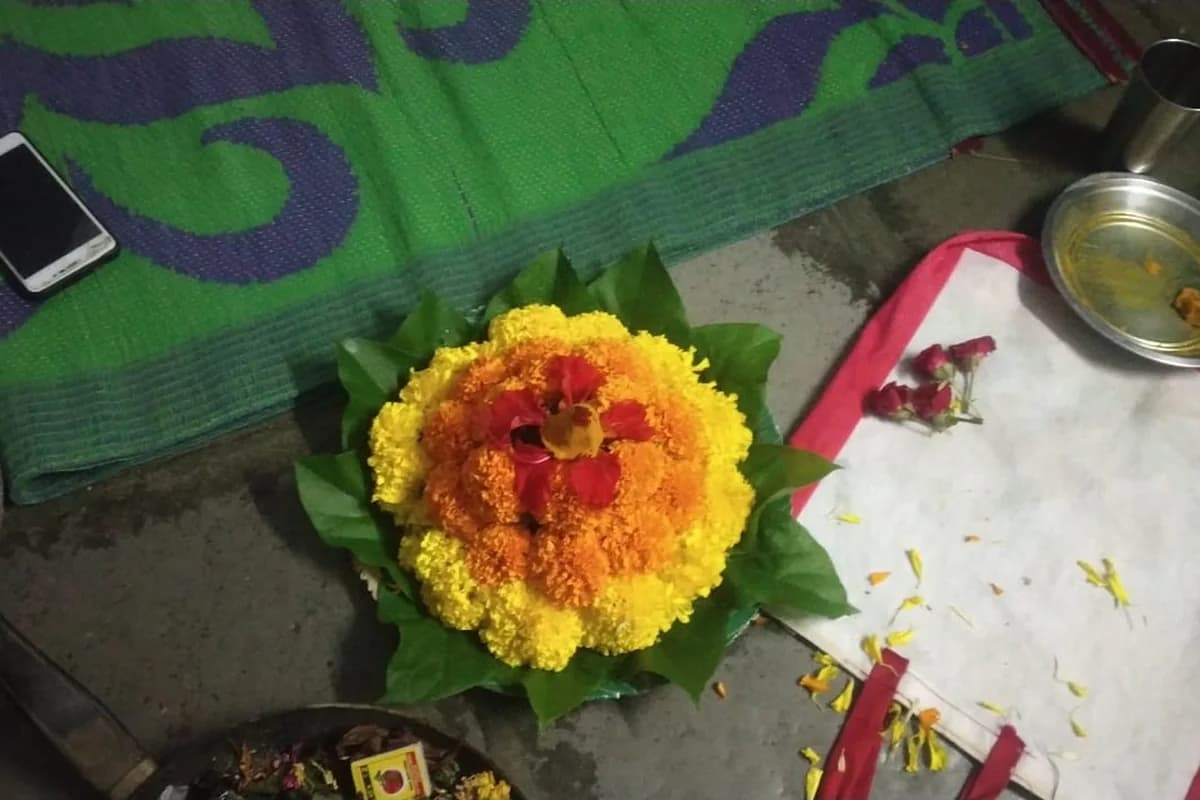
Bathukamma Floral Festival
Bathukamma is Telangana's iconic 9-day floral festival celebrated by women during Sharad Navratri, worshiping Goddess Maha Gauri with concentric mounds of seasonal wildflowers.
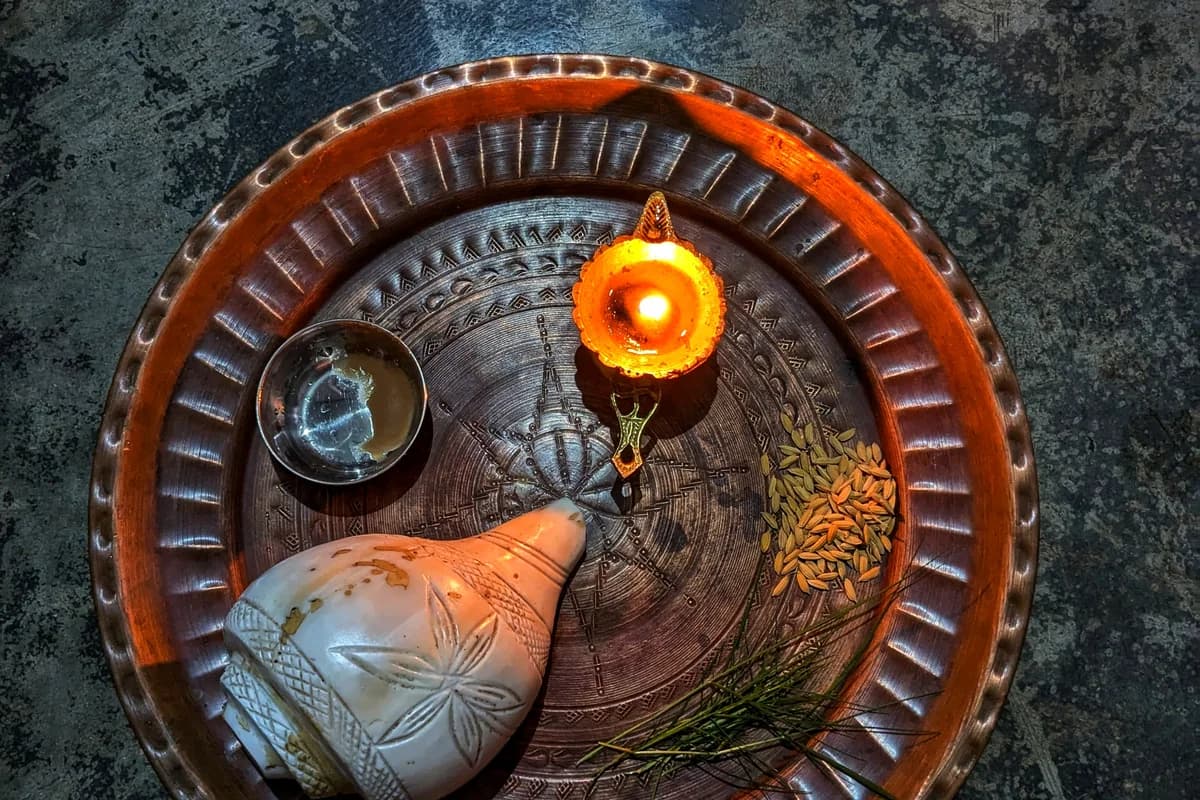
Bhai Dooj (Yama Dwitiya)
Bhai Dooj concludes the 5-day Diwali festival, celebrating the eternal bond between brother and sister inspired by Goddess Yamuna welcoming Her brother Lord Yama.
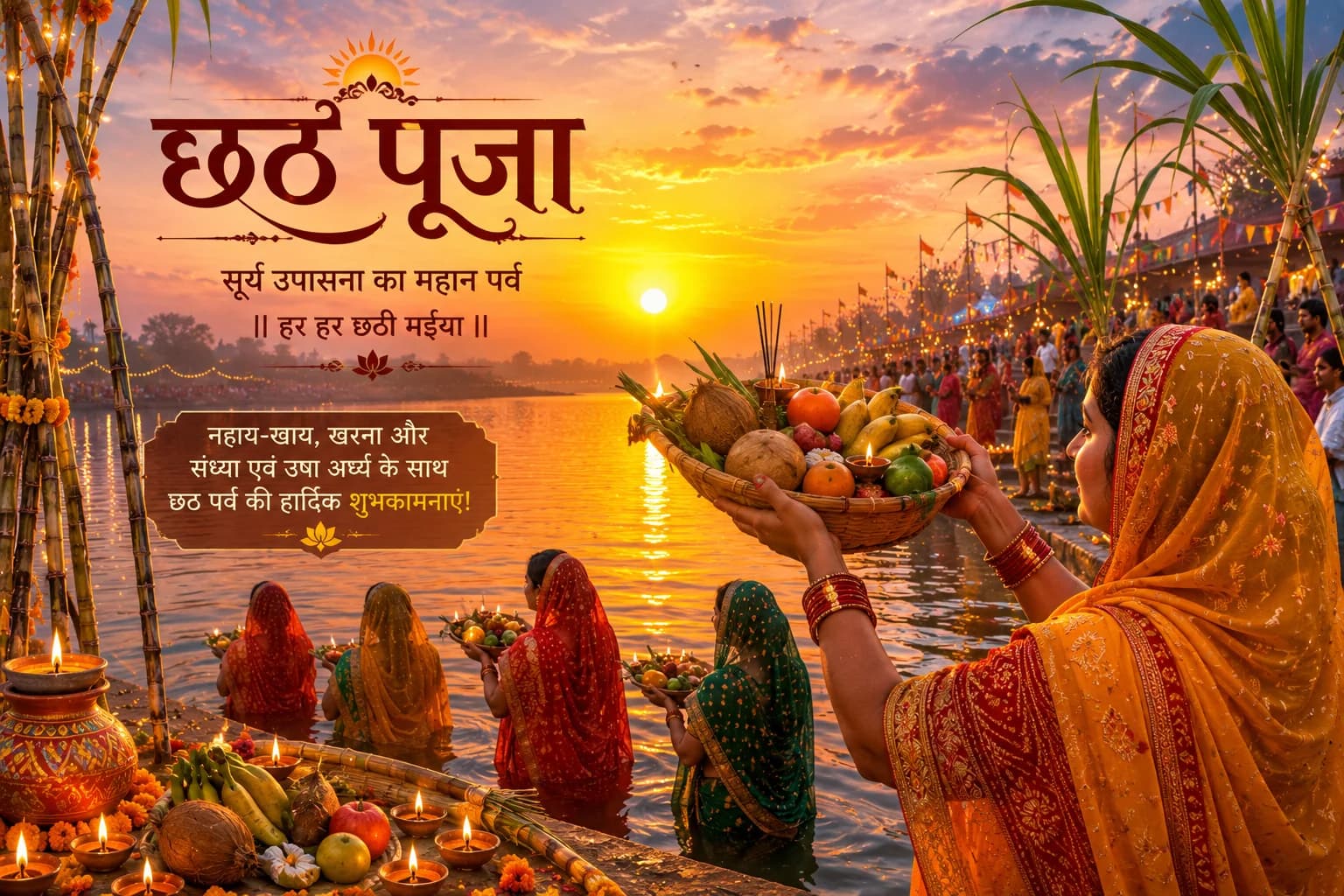
Chhath Puja — Sun God & Chhathi Maiya Worship
Chhath Puja is an ancient 4-day Vedic festival dedicated to the Sun God (Surya) and Chhathi Maiya (Usha/Pratyusha), celebrated without priest intermediaries through strict fasts and river arghya offerings.