
Sharad Purnima (Kojagiri Purnima)
Sharad Purnima is the night of 16 full celestial digits (Shodasha Kala) when moonlight rains nectar. Devotees prepare rice kheer under moonlight and celebrate Radha-Krishna Maha Raas.
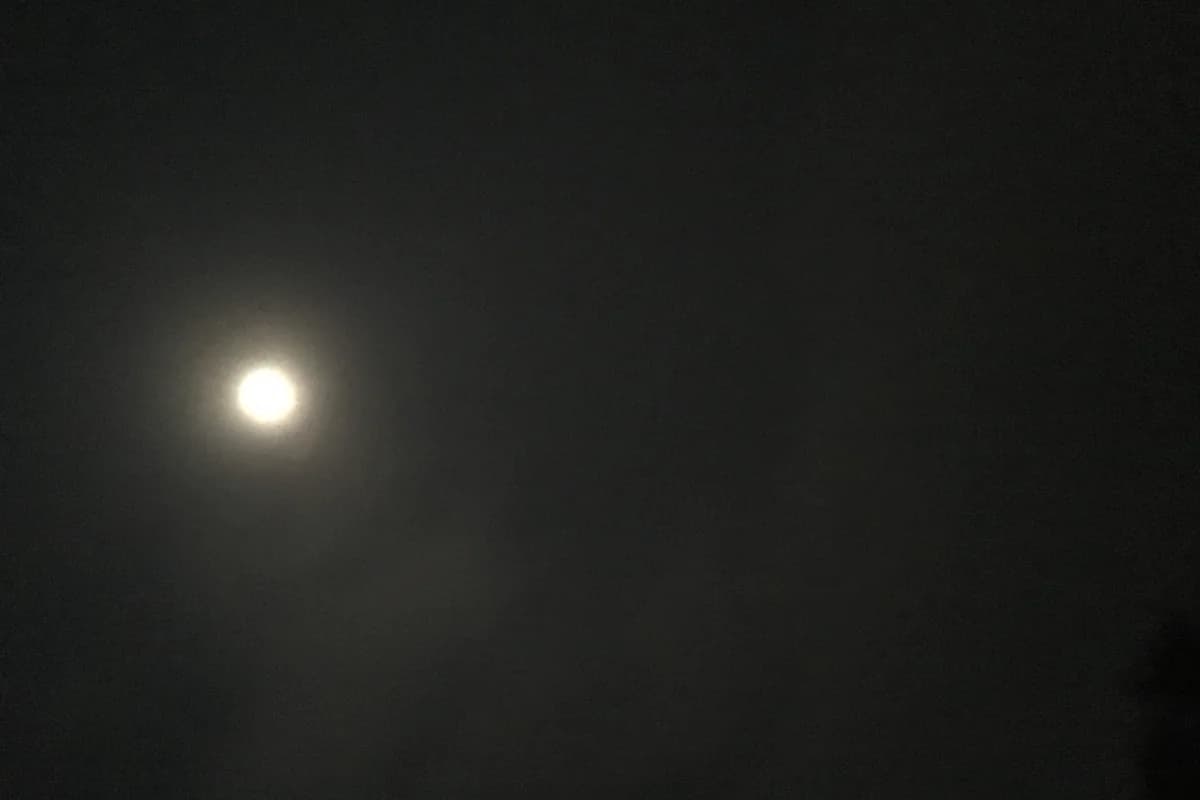 Purnima (15th Lunar Tithi)
Lexical, Linguistic & Historical Contextऐतिहासिक समीक्षा
In classical Sanskrit literature—including Vatsyayana's Kamasutra (1.4.42, listed as Kaumudi-jagara), Vishakhadatta's historical drama Mudrarakshasa (Act III, centering on the imperial celebration of Kaumudi Mahotsava in Mauryan Pataliputra), and the Skanda Purana—this night was celebrated across ancient urban and agrarian India as the premier festival of autumn moonlight, aesthetic refinement, and nocturnal spiritual vigil.
०१. Nirukta & Etymological Exegesisनिरुक्तम् एवं व्युत्पत्तिः
Traditional Sanskrit hermeneutic breakdown of sacred nomenclature, Paninian verbal roots (dhātu), and theological derivations:
Compound of Śarad (the autumn season, from verbal root śṛ—that which ripens crops and dissipates monsoon clouds) + Pūrṇimā (the night of the full lunar disc, from pūrṇa-mā). Denotes the apex full moon of the autumn equinox cycle.
Derived from the interrogative Sanskrit phrase 'Ko jāgarti?' (को जागर्ति — 'Who is awake?', from root jāgṛ, to remain vigilant/conscious). Refers to Goddess Mahalakshmi's nocturnal descent at Nishitha Kala to bless those awake in spiritual vigilance.
Derived from Rasa (transcendental aesthetic rapture, divine bliss; cf. Raso vai saḥ, Taittirīya Upaniṣad 2.7.1). Commemorates the nocturnal Mahārāsa dance of Bhagwan Shri Krishna with the Gopis of Vraja.
Compound of Kaumudī (moonlight that causes the white water-lily, Kumuda, to bloom) + Mahotsava (grand festival). The classical Sanskrit name for the pan-Indian autumn moonlight festival.
Eastern Indian designations honoring Lord Kartikeya (Kumāra)—the embodiment of celestial youth—and the offering of newly harvested autumn paddy (Navānna).
०२. Astronomical Ephemeris & Dharma-Śāstra Rulesखगोलीय निर्णयः एवं सिद्धान्तः
Sharad Purnima occurs on the full moon of Ashvina (Ashvina Shukla Purnima), when the Sun resides in Kanya or Tula Rashi and the Moon transits Mina or Mesha Rashi (across Uttarabhadrapada, Revati, or Ashvini Nakshatra). According to the Shatapatha Brahmana, Brihadaranyaka Upanishad (1.5.14), and Tantric cosmology, while ordinary full moons manifest 15 Kalas, on Ashvina Shukla Purnima the Moon shines with all 16 celestial digits (Shodasha Kala: Amrita, Manada, Pusha, Tushti, Pushti, Rati, Dhriti, Shashini, Chandrika, Kanti, Jyotsna, Shri, Priti, Angada, Purna, and Purnamrita).
Pradosha & Nishitha Vyapti Rule for Kojagara Vrata
Dharmasindhu & Nirnayasindhu (Pariccheda II, Ashvina Paurnamasi Krityam)For the Kojagara Lakshmi Puja and nocturnal vigil, the Purnima Tithi must cover both Pradosha (evening twilight) and Nishitha (astronomical midnight). If Purnima spans two days such that one has Nishitha Vyapti and the next has only sunrise (Udaya) Vyapti, the Nishitha-Vyapini night is strictly mandated because Goddess Lakshmi bestows Her grace at midnight.
Udaya-Vyapini Rule for Snana-Dana & Valmiki Jayanti
Dharmasindhu & KrityatattvarnavaMorning sacred river bathing (Ashvina Purnima Snana), charity, the commencement of the month-long Kartika Snana, and Maharshi Valmiki Jayanti are governed by the Purnima Tithi prevailing at local sunrise (Udaya-Vyapini).
०३. Scriptural Foundations & Puranic Hermeneuticsशास्त्रीय प्रमाणानि एवं परम्पराः
Fulfilling the boon granted to the Gopis during their Katyayani Vrata, Bhagwan Shri Krishna beheld the autumn full moon tinting the eastern sky and blooming the night-fragrant Mallika (jasmine) and Kumuda lilies. Resorting to His internal potency (Yogamaya), He sounded the Kama-bija melody on His flute. Upon the Gopis' complete ego-effacement following the Gopi-Gita (10.31), Krishna initiated the circular Maharasa Mandala on the silver sands of the Yamuna, expanding Himself to stand simultaneously between every two Gopis while the autumn night expanded to the duration of a cosmic Kalpa.
On Ashvina Shukla Purnima, Goddess Mahalakshmi—accompanied by Lord Indra seated upon his celestial white elephant Airavata—traverses the earthly realm at midnight (Nishitha), inquiring 'Ko jagarti?' ('Who is awake?'). Unto householders who reject Tamasic slumber and remain awake in purity, gratitude, and sacred remembrance while offering fresh cow's milk (Kshira) and coconut water, She bestows enduring spiritual and material abundance (Shri).
Venerated across India as Maharshi Valmiki Jayanti—the appearance day of the Adikavi (First Poet) who composed the 24,000-verse Ramayana. In the Kishkindha Kanda (Sargas 28–30), Bhagwan Shri Rama stands atop Mount Prasravana on Sharad Purnima, delivering a lyrical meditation on the crystalline purity of the autumn moon, the clearing of monsoon skies, and the renewal of dharmic resolve.
०४. Philosophical & Ayurvedic Tattvaतात्त्विक विमर्शः एवं आयुर्वेद विज्ञानम्
Adhyātmik Significance
आध्यात्मिक तात्पर्यम् · Inner MetaphysicsIn Bhagavata theology (expounded by Shridhara Svami in Bhavartha-Dipika and Vallabhacharya in Subodhini), the Maharasa is defined as Kama-Vijaya (the conquest of lust through pure Prema-Bhakti), curing the existential heart-disease of sensory craving (Bhagavata 10.33.39: hrid-rogam kamam apahaya). Simultaneously, Goddess Lakshmi's midnight question 'Ko jagarti?' mirrors Bhagavad Gita 2.69 (ya nisha sarvabhutanam tasyam jagarti samyami): calling the seeker to awaken from the slumber of Avidya into Sakshi-Chaitanya (witness consciousness).
Ayurvedic Ṛtu-Sandhi
ऋतुसन्धि विज्ञानम् · Seasonal Bio-HarmonyAccording to Charaka Samhita (Sutrasthana 6.41–48) and Vagbhata's Ashtanga Hridaya (Sutrasthana 3.49–54), Pitta Dosha accumulated during the monsoon undergoes sharp aggravation (Prakopa) in Sharad Ritu. Vagbhata praises Hamsodaka—water heated by the autumn sun by day, cooled by the full autumn moon by night, and detoxified by the rising of Agastya (Canopus)—as equal to Amrita (Ashtanga Hridaya, Sutrasthana 3.52–53).
Dietary & Fasting Science
उपवास विज्ञानम् · Metabolic & Sattvic AharaCharaka Samhita (Sutrasthana 6.42) explicitly prescribes Madhura (sweet), Tikta (bitter), and Shita-virya (cooling) foods in Sharad Ritu. Simmering pure cow's milk (Go-dugdha) with aged white Shali rice, rock sugar (Mishri), cardamom, and saffron, and exposing it under a breathable cotton muslin cloth to the cooling nocturnal radiation of the Sharad Purnima sky for 3–4 hours creates a classic Pitta-shamaka Rasayana that pacifies hyperacidity (Amlapitta), cools Rakta-dhatu, and builds Ojas.
०५. Canonical Anuṣṭhāna Vidhi & Liturgical Orderपूजा क्रमः एवं मन्त्र विधानम्
Prescribed Canonical Samagrī (पूजोपकरणानि):
Pradosha Sankalpa & Shodashopachara Puja
प्रदोष संकल्प एवं षोडशोपचार पूजनAfter bathing and dressing in clean white garments, take the sacred Sankalpa at the home altar and perform Shodashopachara Puja of Bhagwan Shri Radha-Krishna, Goddess Mahalakshmi, and Lord Indra on Airavata with white flowers, sandalwood, incense, and cow ghee lamps.
Preparation & Naivedyam of Amrita-Kshira (Kheer)
अमृत-क्षीर (खीर) निर्माण एवं नैवेद्यSimmer pure cow's milk with washed white rice in a sanctified vessel until thick and creamy, sweetening with rock sugar (Mishri) and infusing with cardamom, saffron, and nuts. Offer a portion first at the altar to Bhagwan Krishna and Maa Lakshmi.
Chandra-Darshana & Shodasha-Kala Arghya
चन्द्र दर्शन एवं षोडश-कला अर्घ्यAscend to the rooftop or open courtyard. Offer Arghya from a silver or copper vessel containing water, raw cow's milk, white sandalwood, Akshata, and white flowers toward the full autumn moon.
Moonlight Infusing of Kheer & Nishitha Jagarana
चन्द्रातप क्षीर स्थापन एवं निशीथ जागरणCover the vessel of Kheer with a breathable white cotton muslin cloth and place it directly under the unobstructed rays of the full moon. Observe sacred vigil (Jagarana) by reciting the Shri Sukta, Kanakadhara Stotra, Vishnu Sahasranama, or the five chapters of the Rasa-Pancadhyayi (Srimad Bhagavata 10.29–33).
Amrita-Prasada Grahana & Vrata Parana
अमृत-प्रसाद ग्रहण एवं पारणRetrieve the moon-infused Kheer, offer gratitude to the Divine, and distribute the cooling Prasad among family members and devotees to conclude the fast.
Vrat Pāraṇ Canonical Rule (पारण निर्णयः)
Devotees observing the daytime Phalahara or Nirjala Kojagara fast break their fast (Parana) after Nishitha Kaal (or at sunrise the following morning) by first partaking of the moonlight-infused Amrita-Kshira (Kheer) Prasad.
०६. Regional Living Traditions & Ethnographyक्षेत्रीय परम्पराः एवं लोकसंस्कृतिः
Temples across Vrindavan (Banke Bihari, Radha Raman, Radha Vallabh) adorn the Deities in silver-white brocade (Shveta Shringara). At Banke Bihari Temple, the rare annual flute (Bansi) and crown (Mukuta) darshan is granted, accompanied by nocturnal Rasalila performances.
Households celebrate their principal annual worship of Goddess Mahalakshmi five days after Bijoya Dashami. Floors are adorned with white rice-paste Alpona depicting Lakshmi's footprints and paddy sheaves, women recite the Lakshmir Panchali, and coconut Naru and Khichuri are offered.
Unmarried maidens wear new garments and offer Khai-anjali (puffed paddy with banana, coconut, and jaggery) to the rising Sun at dawn and in a crescent-moon platter (Chanda Chakata) to the Moon and Lord Kartikeya at dusk. Grand Gajalakshmi pandals illuminate Dhenkanal and Kendrapara.
For newlywed grooms in their first year of marriage, the bride's family sends ritual gifts of Makhana (foxnuts), betel leaves (Pan), coconut, sweets, and the Maithil Paga headwear, followed by community distribution of Makhana-Pan under the full moon.
In Gujarat, devotees perform Sharad Poonam Garba under moonlight and partake of Doodh-Pauva (flattened rice soaked in sweetened saffron milk). In Maharashtra, families perform Jyeshtha Apatya Aushana (blessing the eldest child) and view the moon's reflection in a cauldron of boiling Masala Doodh.
On the full moon of the Meitei month of Mera, hill tribes and valley communities unite for Mera Houchongba, alongside the classical Manipuri Maha Raas Leela codified in 1779 CE by Rajarshi Bhagyachandra at the Shri Govindajee Temple.
०७. Critical Bibliography & Textual Witnessesग्रन्थसूची एवं प्रमाणग्रन्थाः
Primary Sanskrit Texts (मूलसंस्कृतग्रन्थाः)
- Śrīmad Bhāgavata Mahāpurāṇa — Daśama Skandha, Adhyāyas 29–33 (Rāsa-Pañcādhyāyī), with Bhāvārtha-Dīpikā of Śrīdhara Svāmī and Subodhinī of Vallabhācārya.
- Vālmīki Rāmāyaṇa — Kiṣkindhā Kāṇḍa, Sargas 28–30 (Śarad-Varṇanam) (Critical Edition, Oriental Institute, Vadodara).
- Brahma Vaivarta Purāṇa — Śrīkṛṣṇa-Janma-Khaṇḍa, Adhyāya 28 (Anandashrama Sanskrit Series, Pune).
- Nirṇayasindhu of Kamalākara Bhaṭṭa (1612 CE) — Pariccheda II, Āśvina-paurṇamāsī-kojāgara-nirṇayaḥ (Nirnaya Sagar Press, Mumbai).
- Dharmasindhu of Kāśīnātha Upādhyāya (1790 CE) — Pariccheda II, Kojāgara-vrata-prakaraṇam (Chaukhamba Bharati Academy, Varanasi).
- Smṛtitattva (Tithitattva) of Raghunandana Bhaṭṭācārya — Kojāgara-lakṣmī-pūjā-vidhiḥ (Kolkata).
- Caraka Saṃhitā — Sūtrasthāna, Adhyāya 6 (Tasyāśitīya-adhyāyaḥ: Śarad-Ṛtucaryā), Verses 41–48.
- Aṣṭāṅga Hṛdaya of Vāgbhaṭa — Sūtrasthāna, Adhyāya 3 (Ṛtucaryā & Haṃsodaka-lakṣaṇam), Verses 49–54.
Secondary Indological Scholarship (शोधग्रन्थाः)
- Kane, Pandurang Vaman. History of Dharmaśāstra, Vol. V, Part I, Section on 'Kojāgara and Kaumudī-mahotsava,' pp. 208–210. BORI, Pune, 1958.
- Schweig, Graham M. Dance of Divine Love: The Rāsa Līlā of Krishna from the Bhāgavata Purāṇa. Princeton University Press, 2005.
- Redington, James D. Vallabhācārya on the Love Games of Kṛṣṇa. Motilal Banarsidass, Delhi, 1983.
- Meulenbeld, G. Jan. A History of Indian Medical Literature (Analysis of Ṛtucaryā and Haṃsodaka in Caraka and Vāgbhaṭa). Groningen, 1999–2002.
Frequently Asked Questions
How is the observance date of Sharad Purnima (Kojagiri Purnima) determined?
In Vedic astronomical calculations, Sharad Purnima (Kojagiri Purnima) is observed on Purnima (15th Lunar Tithi). Because Hindu calendar days begin with local sunrise (Surya Udaya), exact puja timings (Muhurta) depend on when the auspicious Tithi prevails in your specific geographical location.
Are there fasting (Vrat) guidelines associated with this festival?
Fasting practices vary across families and sampradayas. Common observances range from Phalahar (consuming fruits and milk), fasting until twilight pradosh kaal, to a complete waterless vigil (nirjala). Seekers observe according to personal health and lineage traditions.
What is the core spiritual significance behind this celebration?
Sharad Purnima is the night of 16 full celestial digits (Shodasha Kala) when moonlight rains nectar. Devotees prepare rice kheer under moonlight and celebrate Radha-Krishna Maha Raas. Celebrating this holy day fosters familial gratitude, charitable sharing (Danam), and attunement with cosmic solar and lunar cycles.
How do regional customs differ across India?
Sanatan Dharma embraces rich regional diversity. While core Vedic mantras and reverence for the divine remain universal, local celebrations reflect distinct linguistic hymns, traditional culinary offerings, and cultural expressions.
Related Festivals & Observances
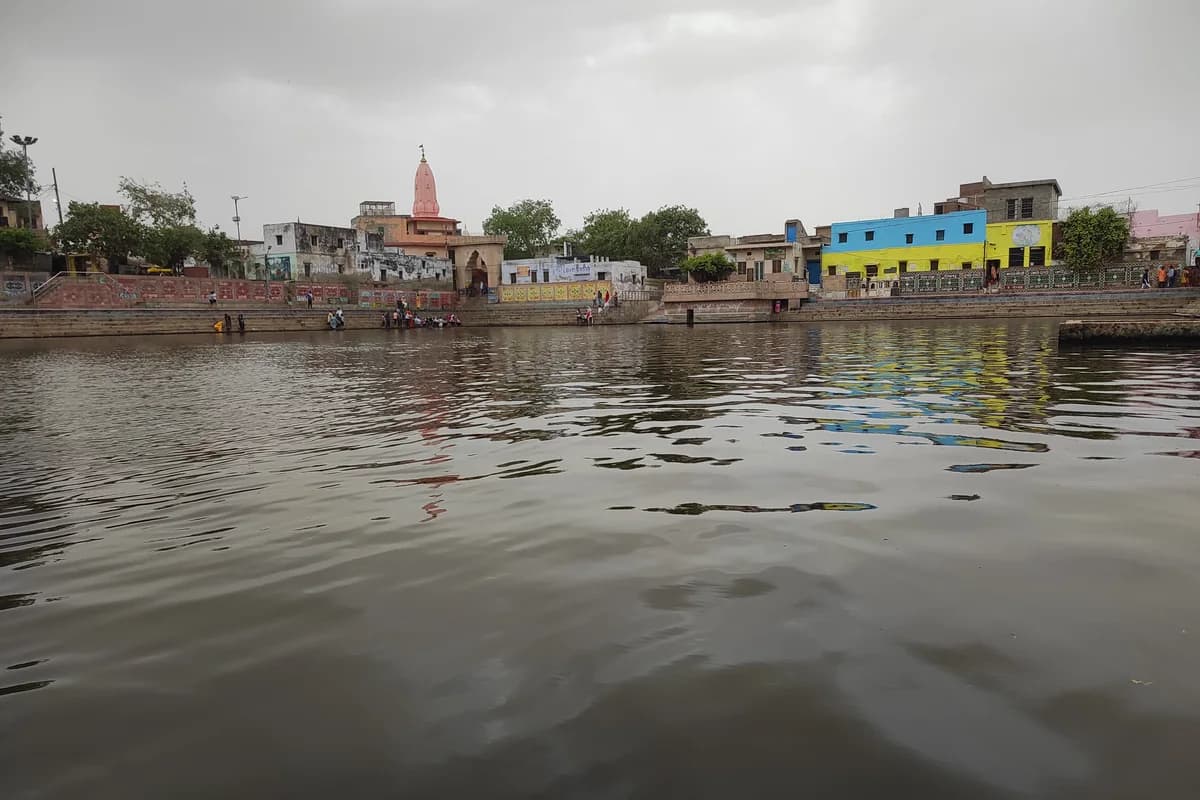
Ahoi Ashtami
Ahoi Ashtami is a traditional fast observed by mothers on Kartik Krishna Ashtami for the longevity, health, and well-being of their children.
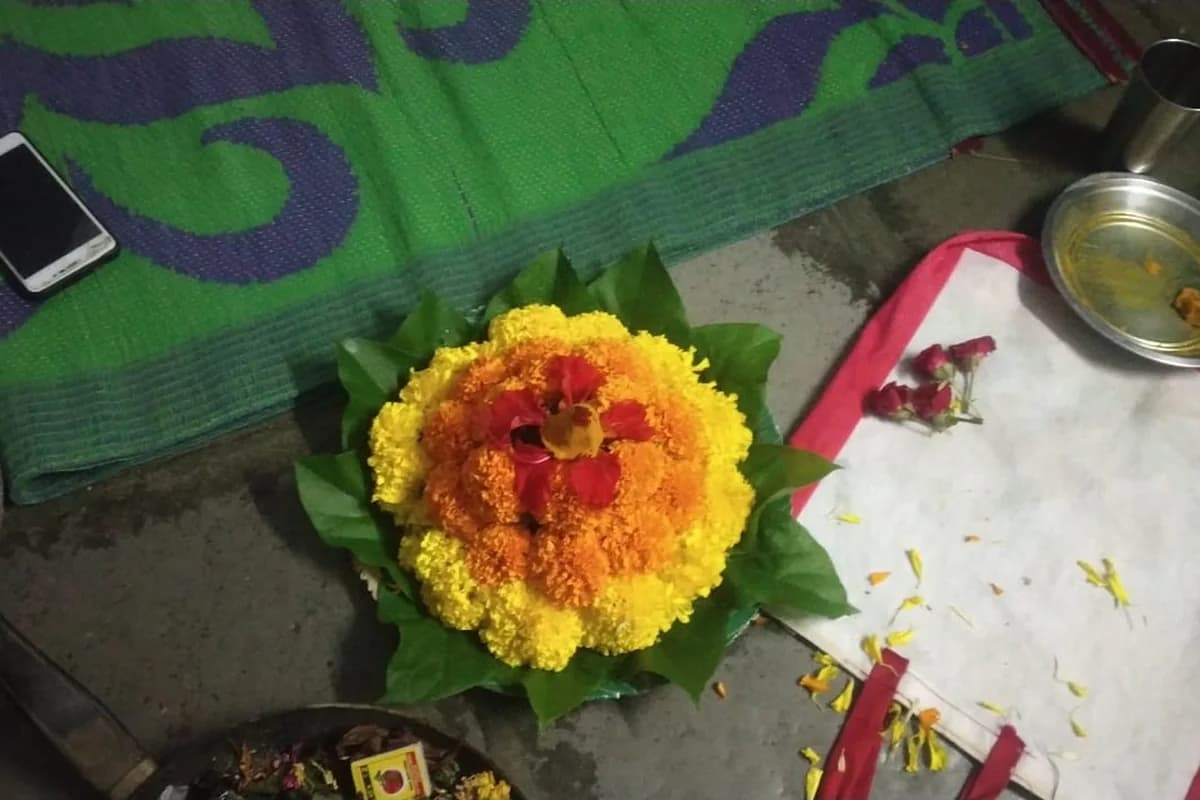
Bathukamma Floral Festival
Bathukamma is Telangana's iconic 9-day floral festival celebrated by women during Sharad Navratri, worshiping Goddess Maha Gauri with concentric mounds of seasonal wildflowers.
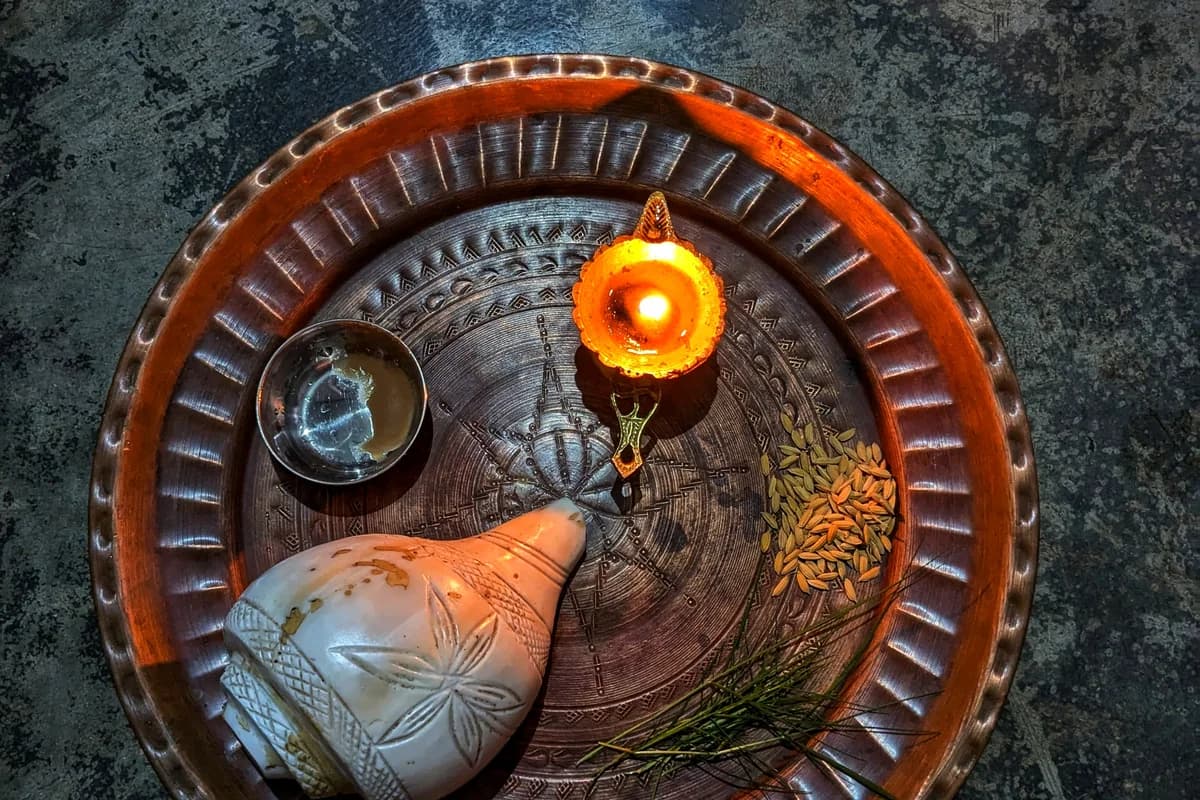
Bhai Dooj (Yama Dwitiya)
Bhai Dooj concludes the 5-day Diwali festival, celebrating the eternal bond between brother and sister inspired by Goddess Yamuna welcoming Her brother Lord Yama.