
Dhanteras (Dhanvantari Jayanti)
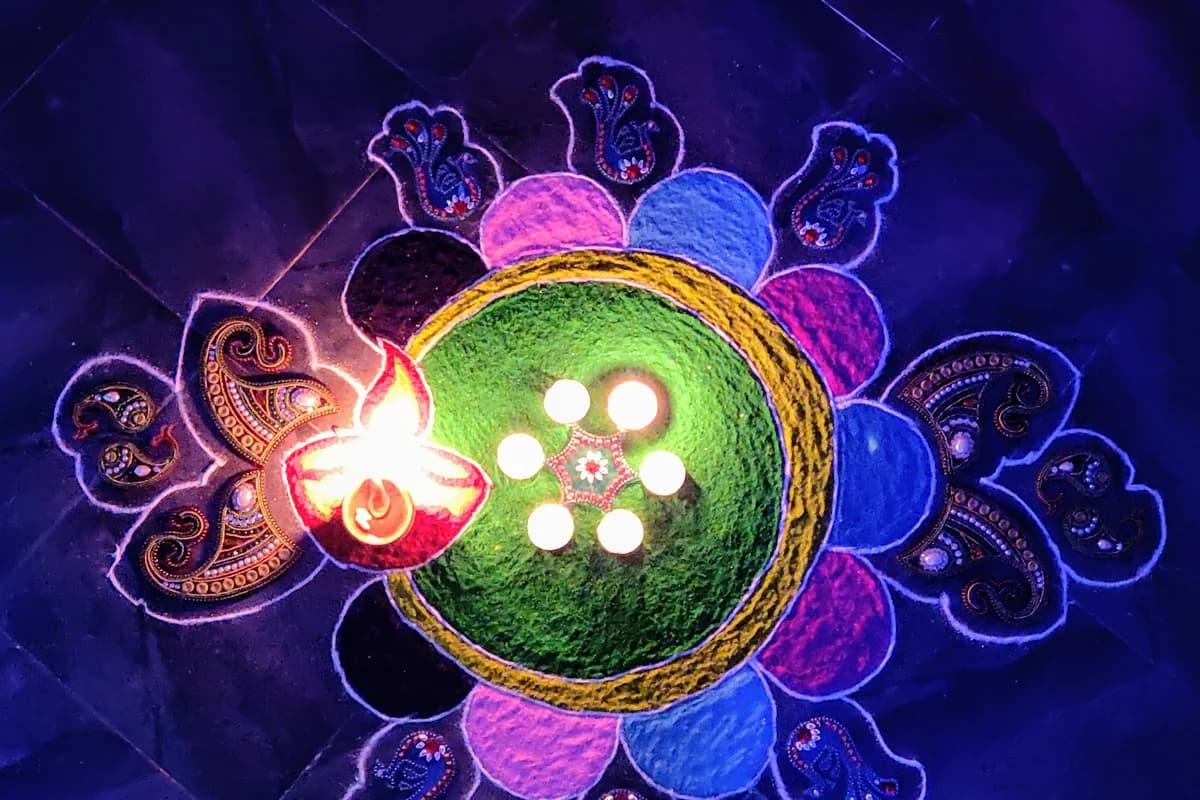
Dhanteras marks the first day of 5-day Diwali, celebrating the appearance of Lord Dhanvantari (God of Ayurveda) during Samudra Manthan with the Amrita Kalash.
 Trayodashi (13th Lunar Tithi)
Lexical, Linguistic & Historical Contextऐतिहासिक समीक्षा
In classical Dharma-Shastric digests (Hemadri's Chaturvargachintamani, Nirnayasindhu, and Dharmasindhu), the inaugural day of the five-day Deepavali Mahaparva unites three foundational pillars of human flourishing: Arogya (holistic physical and mental health governed by Bhagwan Dhanvantari), Abhaya (freedom from the fear of premature mortality through Yama-Deepadana), and Artha/Shri (righteous prosperity governed by Mahalakshmi and Kubera). Traditional Indic wisdom thus defines supreme wealth (Dhana) first as bodily and mental health, establishing that material abundance bears fruit only when grounded in vitality.
०१. Nirukta & Etymological Exegesisनिरुक्तम् एवं व्युत्पत्तिः
Traditional Sanskrit hermeneutic breakdown of sacred nomenclature, Paninian verbal roots (dhātu), and theological derivations:
Compound of Dhana (auspicious wealth, vitality, and dharmic resources; from verbal root dhan) + Trayodaśī (the thirteenth lunar digit). Vernacularly evolved via Prakrit Teraha to Dhanteras.
Derived from Dhanu (surgical arc or bodily affliction) + Anta / ṛ (He who traverses and terminates all surgical and systemic diseases; cf. Suśruta Saṃhitā). Commemorates the cosmic appearance of Bhagwan Dhanvantari holding the Amṛta-Kalaśa.
Designated in the Skanda Purana, Padma Purana, and Dharmasindhu for the evening offering of a four-wicked sesame-oil lamp facing south to Lord Yamaraja to avert premature death (Apamṛtyu-nivāraṇam).
Agrarian and Vedic designation honoring Dhānya-Lakṣmī through the consecration of newly harvested autumn grain and dried coriander seeds (Dhānyaka).
०२. Astronomical Ephemeris & Dharma-Śāstra Rulesखगोलीय निर्णयः एवं सिद्धान्तः
Observed on Kartika Krishna Trayodashi in the Purnimanta calendar (Ashvina Krishna Trayodashi in the Amanta calendar), marking the formal commencement of the five-day Deepavali festival. Because the mandatory scriptural observance of Yama-Deepadana and Lakshmi-Kubera Puja takes place at evening twilight, the Nirnayasindhu and Dharmasindhu mandate Pradosha-Vyapini Trayodashi (particularly during the fixed Vrishabha Sthira Lagna), while Bhagwan Dhanvantari Prakatya Puja is performed during Pratah, Sangava, or Abhijit Muhurta.
Pradosha-Vyapti Rule for Yama-Deepadana
Dharmasindhu & Nirnayasindhu (Pariccheda II, Kartika-Krishna-Trayodashi-Nirnayah)On Kartika Krishna Trayodashi, the Yama-Deepadana is offered during Pradosha Kaal (evening twilight). The day on which Trayodashi prevails during Pradosha is selected; if Trayodashi touches Pradosha on both days or neither day, the second day (Para) is prescribed.
०३. Scriptural Foundations & Puranic Hermeneuticsशास्त्रीय प्रमाणानि एवं परम्पराः
During the cosmic churning of the Ocean of Milk (Kshira-Sagara Manthana) by the Devas and Asuras, on Kartika Krishna Trayodashi, Bhagwan Dhanvantari emerged in radiant blue-black splendor, clad in yellow silk and holding in His four hands the golden Amrita-Kalasha (jar of immortal nectar), the Sudarshana Chakra, the Shankha, and medicinal herbs. Revered as the 12th canonical Avatar of Lord Vishnu in the Srimad Bhagavata Purana, He promulgated the eight-branched science of Ayurveda (Ashtanga Ayurveda) to eradicate the physical and mental sufferings of embodied beings.
When the young son of King Hima was prophesied to die of snakebite on the fourth night of his marriage, his wise bride kept him awake on Kartika Krishna Trayodashi by heaping all her gold and silver ornaments and shining vessels at the doorway, surrounding them with rows of blazing oil lamps, and singing devotional hymns through the night. When Yamaraja arrived in the form of a serpent, his eyes were dazzled by the brilliant reflection of the lamps upon the consecrated metals. Unable to cross the luminous threshold, he listened to the sacred songs until the fatal planetary hour passed at dawn—establishing the boon that lighting the south-facing Yama-Deepa on Trayodashi protects the household from untimely death (Apamrityu).
While Goddess Mahalakshmi is the sovereign bestower of auspicious fortune (Shri) and spiritual abundance, Lord Kubera (Vaishravana) is consecrated as the Dhanadhyaksha (Custodian-Treasurer of Cosmic Resources) and Guardian of the North (Uttara-Dikpala). Worshiping Mahalakshmi alongside Kubera on Dhanteras sanctifies both the ethical generation of wealth and its responsible stewardship and charity (Dana).
०४. Philosophical & Ayurvedic Tattvaतात्त्विक विमर्शः एवं आयुर्वेद विज्ञानम्
Adhyātmik Significance
आध्यात्मिक तात्पर्यम् · Inner MetaphysicsThe five-day Deepavali sequence begins on Dhanteras to establish a spiritual hierarchy: Day 1 (Dhanteras) secures bodily health (Dhanvantari) and fearlessness before mortality (Yama-Deepa); Day 2 (Naraka Chaturdashi) purges mental sloth and egoic darkness (Narakasura); only then on Day 3 (Amavasya) can Mahalakshmi and Atma-Jnana abide permanently within the purified vessel of the seeker. Lighting a four-wicked lamp facing South (the direction of Yamaraja and Pitris) transforms unconscious dread of death into conscious illumination of the four Purusharthas (Dharma, Artha, Kama, Moksha).
Ayurvedic Ṛtu-Sandhi
ऋतुसन्धि विज्ञानम् · Seasonal Bio-HarmonyPositioned at the transition from Sharad (autumn) to Hemanta (early winter), Dhanteras bridges the Pitta-predominant season and the cold Vata-Kapha winter onset. According to Sushruta Samhita (Sutrasthana 45) and Rasa-Shastra, acquiring and using vessels of Tamra (copper—antimicrobial and Kapha-Pitta-hara), Kamsya (bronze—intellect-sharpening and Rakta-purifying), and Rajata (silver—cooling and Ojas-building) fortifies immunity throughout the year.
Dietary & Fasting Science
उपवास विज्ञानम् · Metabolic & Sattvic AharaThe mandatory Naivedyam of Dhanteras is crushed dried coriander seeds (Dhanyaka, Coriandrum sativum) mixed with aged jaggery (Purana Guda). In Bhavaprakasha Nighantu (Haritakyadi-varga 86–88), Dhanyaka is praised as Tridosha-hara: it pacifies residual autumn Pitta and internal burning (Antardaha), clears metabolic channels, and—when combined with mineral-rich jaggery and dry ginger (Shunthi)—protects the respiratory tract against the sudden early-winter temperature drop.
०५. Canonical Anuṣṭhāna Vidhi & Liturgical Orderपूजा क्रमः एवं मन्त्र विधानम्
Prescribed Canonical Samagrī (पूजोपकरणानि):
Pratah / Abhijit Bhagwan Dhanvantari Prakatya Pujana
भगवान् धन्वन्तरि प्राकट्य पूजनEstablish a copper or brass Amrita-Kalasha filled with Gangajal and medicinal leaves (Tulasi, Bilva, Neem, Mango) upon a mound of grain. Perform Shodashopachara Puja of Bhagwan Dhanvantari, offering fresh herbs and praying for lifelong physical, mental, and spiritual vitality.
Consecration of New Vessels & Dhanyaka-Guda Naivedyam
नूतन पात्र संस्कार एवं धान्यक-गुड नैवेद्यBathe newly acquired gold, silver, copper, or brass vessels and coins with Panchamrita and Gangajal, tie Mauli around them, and fill them with whole coriander seeds (Dhanyaka), unbroken rice (Akshata), and jaggery (never placing an empty vessel on the altar). Offer crushed coriander seeds and jaggery (Dhane-Gul) as canonical Naivedyam.
Pradosha Lakshmi-Ganesha-Kubera Pujana
प्रदोष लक्ष्मी-गणेश-कुबेर पूजनDuring the evening Vrishabha Sthira Lagna, perform Shodashopachara Puja of Lord Ganesha, Goddess Mahalakshmi, and the Kubera Yantra, offering lotus flowers, Kheel-Batasha, Kaudis, and Gomati Chakras.
Dakshinabhimukha Yama-Deepadana
दक्षिणाभिमुख यमदीपदानOutside the main entrance of the home on the right side, place a small mound of wheat or rice grains. Set a large four-wicked clay or wheat-dough lamp filled with sesame oil (Tila-taila), a pinch of black sesame seeds, and a Kaudi atop the grain mound, orienting the primary flame toward the South. Light the lamp, offer water and Akshata, and pray to Lord Yamaraja for the protection of all family members from untimely mortality.
Trayodasha Deepa Illumination & Coriander Seed Preservation
त्रयोदश दीप प्रज्वलन एवं धन-धान्य संरक्षणLight thirteen oil/ghee lamps across the home threshold, kitchen, water storage, and Tulasi Vrindavana. Tie a portion of the consecrated coriander seeds in a red cloth for the treasury and sow a few seeds in a pot of soil to sprout as an auspicious symbol of family growth.
Vrat Pāraṇ Canonical Rule (पारण निर्णयः)
Devotees observing the daytime Dhanatrayodashi fast perform Parana in the evening after completing the Pradosha Lakshmi-Kubera Puja and lighting the south-facing Yama-Deepa, first partaking of the consecrated Dhanyaka-Guda (coriander-jaggery) and Kheel-Batasha Prasad.
०६. Regional Living Traditions & Ethnographyक्षेत्रीय परम्पराः एवं लोकसंस्कृतिः
Marked by purchasing brass, copper, or silver utensils, gold/silver Lakshmi-Ganesha coins, and a new broom (Jhadu—symbolizing the sweeping away of Alakshmi), offering Dhaniya-Panjiri and Kheel-Batasha, and lighting the four-wicked south-facing Yama-Deepa outside the main gate.
Following Vasubaras (Govatsa Dwadashi), households prepare pounded dry coriander seeds with jaggery (Dhane-Gul) as mandatory Naivedyam for Bhagwan Dhanvantari and Mahalakshmi, and place wheat-flour Yama lamps outside the courtyard.
Following Vagh Baras (clearing of financial ledgers), families perform ancestral silver coin Abhisheka in raw cow's milk and Gangajal (Dhana-Pujan), draw intricate doorway Sathiya Rangolis, and light thirteen clay Kodiyu lamps.
Celebrated with grand Abhishekam and Aushadha-Homa at historic Dhanvantari shrines—most notably the 12th-century Srirangam Ranganathaswamy Dhanvantari Temple and Walajapet Dhanvantari Peedam—alongside evening Yama Deepam offerings.
Honored across Kerala's classical Ashtavaidya Ayurvedic lineages and major Dhanvantari temples (Nelluvai, Thottuva, Maruthorvattom), where consecrated Mukkudi (medicated herbal buttermilk) is distributed to devotees.
०७. Critical Bibliography & Textual Witnessesग्रन्थसूची एवं प्रमाणग्रन्थाः
Primary Sanskrit Texts (मूलसंस्कृतग्रन्थाः)
- Śrīmad Bhāgavata Mahāpurāṇa — Aṣṭama Skandha, Adhyāya 8, Verses 31–38 (Dhanvantari-Prākaṭyam) & Dvitīya Skandha 7.21 (Gita Press, Gorakhpur).
- Suśruta Saṃhitā — Sūtrasthāna, Adhyāya 1 (Vedotpatti-Adhyāyaḥ) with Nibandhasaṅgraha commentary of Ḍalhaṇa (Chaukhamba Orientalia, Varanasi).
- Skanda Purāṇa — Vaiṣṇava Khaṇḍa, Kārtika-Māhātmya (Trayodaśī-Yama-Dīpadāna-Vidhiḥ & Hima-Rāja-Kathā).
- Padma Purāṇa — Uttara Khaṇḍa, Adhyāya 122 (Dīpadāna-Māhātmyam) (Anandashrama Sanskrit Series, Pune).
- Nirṇayasindhu of Kamalākara Bhaṭṭa (1612 CE) — Pariccheda II, Kārtika-kṛṣṇa-trayodaśī-nirṇayaḥ (Nirnaya Sagar Press, Mumbai).
- Dharmasindhu of Kāśīnātha Upādhyāya (1790 CE) — Pariccheda II, Kārtika-kṛṣṇa-trayodaśī-yamadīpadāna-prakaraṇam.
- Bhāvaprakāśa Nighaṇṭu of Bhāvamiśra — Harītakyādi-Varga, Verses 86–88 (Dhānyaka-Guṇa-Karma).
Secondary Indological Scholarship (शोधग्रन्थाः)
- Kane, Pandurang Vaman. History of Dharmaśāstra, Vol. V, Part I, Chapter X: 'Dīpāvalī — Dhana-trayodaśī and Yama-dīpadāna,' pp. 195–198. BORI, Pune, 1958.
- Zysk, Kenneth G. Asceticism and Healing in Ancient India: Medicine in the Buddhist Monastery & Studies on Dhanvantari. Oxford University Press, 1991.
- Wujastyk, Dominik. The Roots of Ayurveda: Selections from Sanskrit Medical Writings. Penguin Classics, 2003.
- Meulenbeld, G. Jan. A History of Indian Medical Literature, Vols. IA–IIA. Egbert Forsten, Groningen, 1999.
Frequently Asked Questions
How is the observance date of Dhanteras (Dhanvantari Jayanti) determined?
In Vedic astronomical calculations, Dhanteras (Dhanvantari Jayanti) is observed on Trayodashi (13th Lunar Tithi). Because Hindu calendar days begin with local sunrise (Surya Udaya), exact puja timings (Muhurta) depend on when the auspicious Tithi prevails in your specific geographical location.
Are there fasting (Vrat) guidelines associated with this festival?
Fasting practices vary across families and sampradayas. Common observances range from Phalahar (consuming fruits and milk), fasting until twilight pradosh kaal, to a complete waterless vigil (nirjala). Seekers observe according to personal health and lineage traditions.
What is the core spiritual significance behind this celebration?
Dhanteras marks the first day of 5-day Diwali, celebrating the appearance of Lord Dhanvantari (God of Ayurveda) during Samudra Manthan with the Amrita Kalash. Celebrating this holy day fosters familial gratitude, charitable sharing (Danam), and attunement with cosmic solar and lunar cycles.
How do regional customs differ across India?
Sanatan Dharma embraces rich regional diversity. While core Vedic mantras and reverence for the divine remain universal, local celebrations reflect distinct linguistic hymns, traditional culinary offerings, and cultural expressions.
Related Festivals & Observances
Ahoi Ashtami
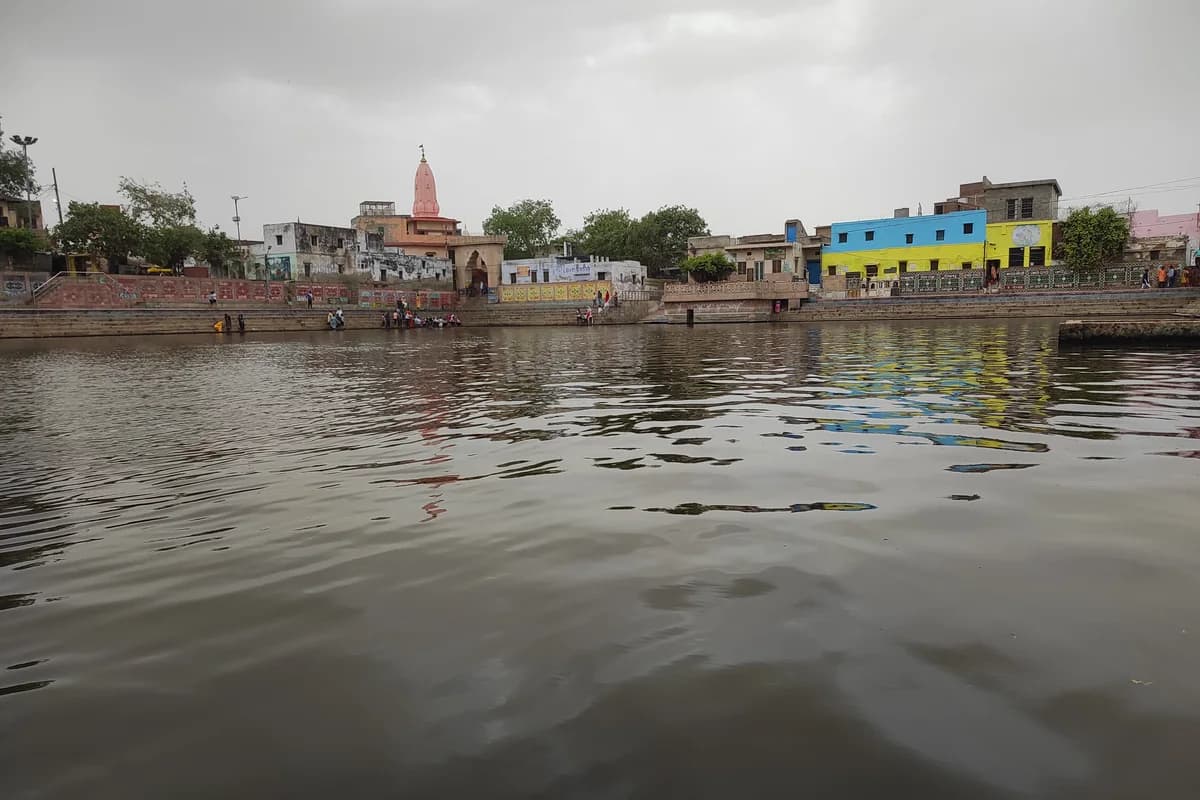
Ahoi Ashtami is a traditional fast observed by mothers on Kartik Krishna Ashtami for the longevity, health, and well-being of their children.
Akshaya Tritiya (Akha Teej)
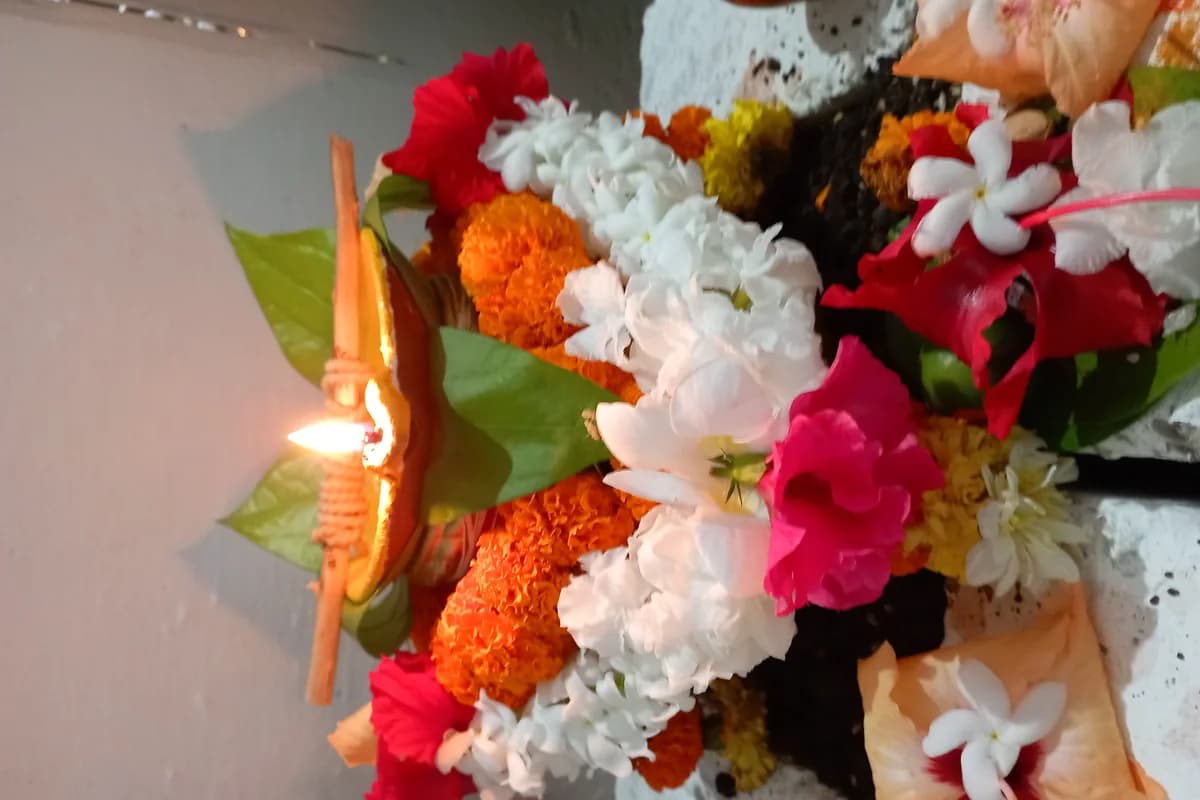
Akshaya Tritiya is an auspicious day of eternal, imperishable merit ('Akshaya'), marking the descent of River Ganga to Earth, birth of Lord Parashurama, and Kubera receiving divine wealth.
Bathukamma Floral Festival
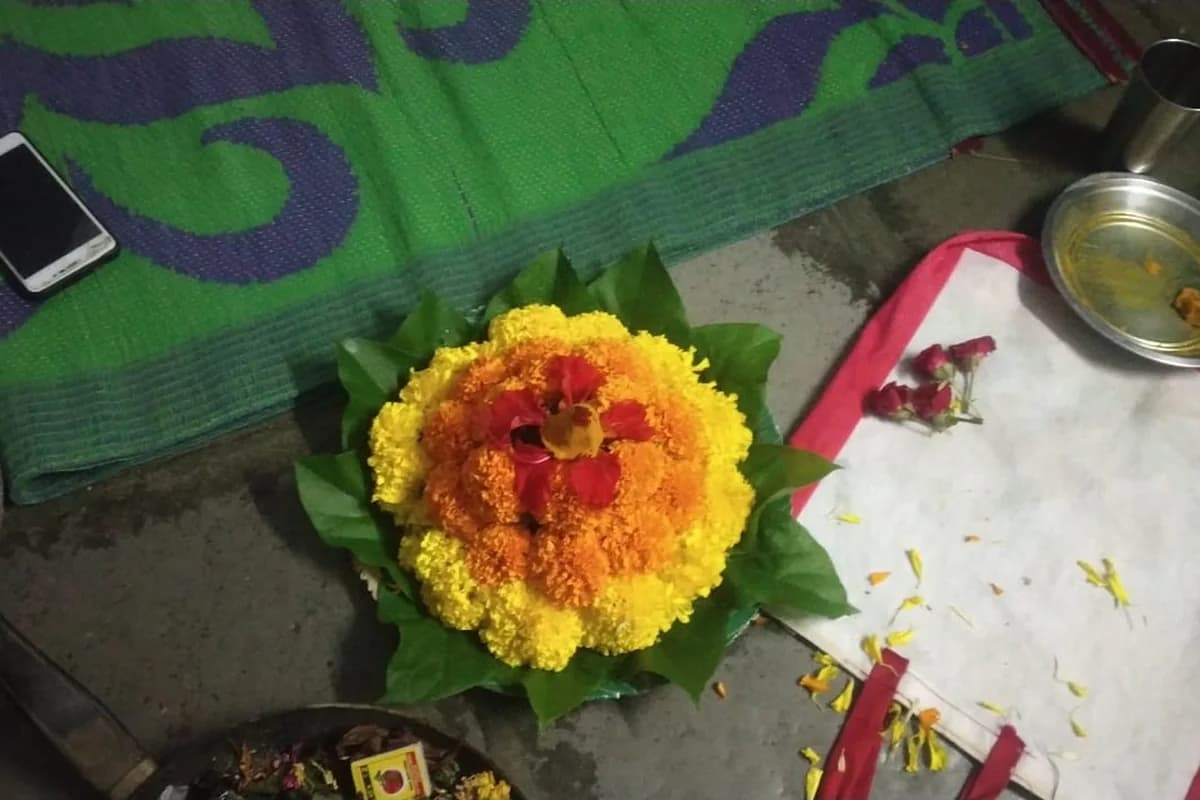
Bathukamma is Telangana's iconic 9-day floral festival celebrated by women during Sharad Navratri, worshiping Goddess Maha Gauri with concentric mounds of seasonal wildflowers.