
Naraka Chaturdashi (Chhoti Diwali / Roop Chaudas)
Naraka Chaturdashi (Chhoti Diwali) commemorates Lord Krishna and Satyabhama vanquishing the demon Narakasura and liberating 16,000 princesses.
 Chaturdashi (14th Lunar Tithi)
Lexical, Linguistic & Historical Contextऐतिहासिक समीक्षा
While in North and Western India Kartika Amavasya is the principal day of Deepavali, across Tamil Nadu, Karnataka, Andhra Pradesh, Telangana, and Goa, Naraka Chaturdashi itself constitutes the primary festive day of Deepavali—commemorating the dawn liberation of the world from Narakasura's tyranny by Bhagwan Shri Krishna and Devi Satyabhama through the pre-sunrise sacred oil bath (Ganga-Snanam / Abhyanga-Snana), new attire, and temple worship.
०१. Nirukta & Etymological Exegesisनिरुक्तम् एवं व्युत्पत्तिः
Traditional Sanskrit hermeneutic breakdown of sacred nomenclature, Paninian verbal roots (dhātu), and theological derivations:
Compound of Naraka (both the tyrant Narakāsura / Bhaumāsura slain by Bhagwan Shri Krishna and Satyabhama, and the subterranean states of karmic suffering) + Caturdaśī (the fourteenth lunar digit).
Compound of Rūpa (vital radiance, beauty, luminous complexion, and Bhrajaka-Tejas) + Caturdaśī. Refers to the pre-dawn Ayurvedic sesame-oil Abhyanga and herbal Udvartana (Ubtan) bath that restores bodily and spiritual luster before winter.
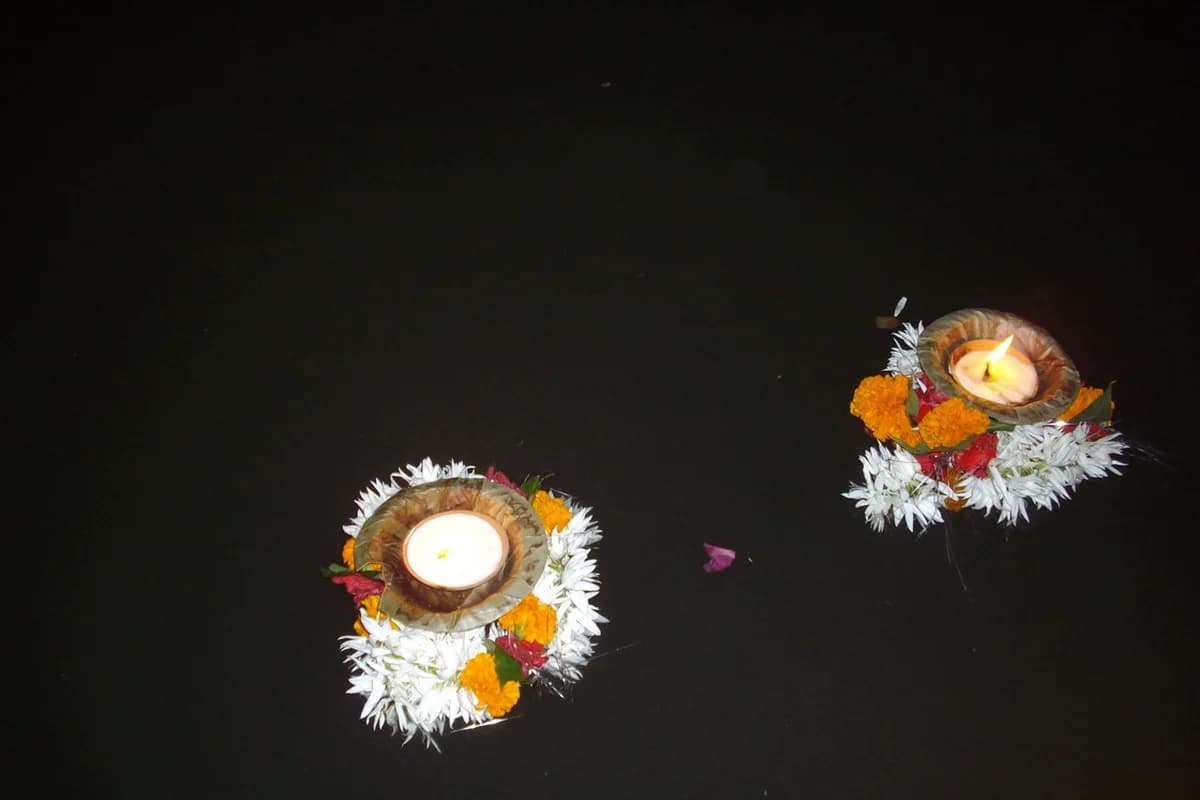
North Indian designation for the 'Prelude Festival of Lights' observed twenty-four hours prior to the grand Maha-Amavasya illumination, marked by lighting fourteen clay lamps.
Western (Gujarat) and Eastern (Bengal/Odisha) designations honoring Mahakali and Lord Hanuman at night, and lighting fourteen lamps (Choddo Pradip) to guide fourteen generations of ancestors (Chaturdasha-Purusha).
०२. Astronomical Ephemeris & Dharma-Śāstra Rulesखगोलीय निर्णयः एवं सिद्धान्तः
Observed on Kartika Krishna Chaturdashi in the Purnimanta calendar (Ashvina Krishna Chaturdashi in the Amanta calendar). Although applying oil on Chaturdashi is ordinarily prohibited in Smriti, the Padma Purana, Nirnayasindhu, and Dharmasindhu establish a canonical mandate for Naraka Chaturdashi: during Arunodaya Kaal (the 4 Ghatis / ~96 minutes before local sunrise), Goddess Mahalakshmi personally abides in sesame oil (Tila-taila) and Mother Ganga abides in all water.
Arunodaya Taila-Abhyanga & Lakshmi-Ganga Presence Rule
Padma Purana (Uttara Khanda) & Nirnayasindhu (Pariccheda II, Naraka-Chaturdashi-Nirnayah)On the Chaturdashi of Deepavali, Goddess Lakshmi resides in sesame oil and Goddess Ganga resides in all waters. Whoever performs the sacred oil-bath (Abhyanga-Snana) during Arunodaya (prior to sunrise while the waning moon/stars are visible) is freed from the fear of Yama's realm.
Universal Mandate for Chaturdasha-Yama-Tarpana
Dharmasindhu (Kartika-Krishna-Chaturdashi-Krityam)Immediately after the Arunodaya bath, offering triple water-and-sesame libations (Tarpana) to the fourteen names of Lord Yama is enjoined for all householders—including a Jivat-pitrika (one whose father is living), making this a rare Dharma-Shastric exception to general Tarpana rules.
०३. Scriptural Foundations & Puranic Hermeneuticsशास्त्रीय प्रमाणानि एवं परम्पराः
Narakasura (Bhaumasura, son of Bhudevi) ruled from the heavily fortified citadel of Pragjyotishapura guarded by the five-headed demon Mura. Having stolen the canopy of Varuna, the earrings of Mother Aditi, and imprisoned 16,100 royal princesses, Narakasura terrorized the three worlds. Mounted upon Garuda and accompanied by Queen Satyabhama (the incarnation of Bhudevi Herself), Bhagwan Shri Krishna shattered the fortress defenses, slew Mura, and severed Narakasura's head with the Sudarshana Chakra at dawn on Chaturdashi. Bhudevi prayed that this dawn be celebrated forever with auspicious oil baths and festive lights, and Krishna wedded all 16,100 liberated princesses in sacred dignity.
In the Ramanandi Vaishnava tradition centered at Ayodhya (Hanuman Garhi) and across North and Western India, the evening (Mesha Lagna) of Kartika Krishna Chaturdashi is celebrated as the primary birth night (Prakatya-Ratri / Hanuman Jayanti) of Bhagwan Shri Hanuman from the womb of Mata Anjana (while Chaitra Purnima marks His solar leap and Vijayotsava). Worshiping Hanuman on the eve of Deepavali bestows fearlessness (Abhaya), strength, and unwavering devotion prior to welcoming Shri Rama and Mahalakshmi.
०४. Philosophical & Ayurvedic Tattvaतात्त्विक विमर्शः एवं आयुर्वेद विज्ञानम्
Adhyātmik Significance
आध्यात्मिक तात्पर्यम् · Inner MetaphysicsEsoterically, Bhaumasura ('son of Earth') represents gross body-identification (Dehatma-buddhi) and possessive ego, while his five-headed general Mura represents the five sensory delusions (Shabda, Sparsha, Rupa, Rasa, Gandha). Only when Shri Krishna (Supreme Witness Consciousness) unites with Satyabhama (Truth-illumined Will) upon Garuda (Vedic wisdom) are the five sensory snares severed and the 16,100 subtle mental modifications (Mano-vrittis / Nadis) liberated into single-pointed devotion.
Ayurvedic Ṛtu-Sandhi
ऋतुसन्धि विज्ञानम् · Seasonal Bio-HarmonyAccording to Ashtanga Hridaya (Sutrasthana 2.8–9) and Charaka Samhita (Sutrasthana 5.85–89), as early winter (Hemanta) begins in mid-Kartika, cold dry winds provoke Vata Dosha in the skin (Tvak). A pre-dawn massage with warm sesame oil (Tila-taila—Ushna-virya and Vata-ghna) followed by herbal Udvartana (Ubtan of chickpea flour, wild turmeric, sandalwood, and Nagarmotha) pacifies Vata, kindles Bhrajaka Pitta (governing skin radiance or Rupa), and fortifies cutaneous immunity.
Dietary & Fasting Science
उपवास विज्ञानम् · Metabolic & Sattvic AharaWaving the prickly chaff-flower herb Apamarga (Achyranthes aspera—praised in Atharvaveda 4.17 and Bhavaprakasha as Krimi-ghna and Visha-ghna) during the bath, eating the 14 medicinal leafy greens (Choddo Shak) in Bengal, or taking a spoonful of Deepavali Legiyam (ginger, black pepper, long pepper, cumin, and jaggery) in Tamil Nadu primes digestive Agni and protects the gut microbiome during the festive season.
०५. Canonical Anuṣṭhāna Vidhi & Liturgical Orderपूजा क्रमः एवं मन्त्र विधानम्
Prescribed Canonical Samagrī (पूजोपकरणानि):
Arunodaya Taila-Abhyanga & Roop Chaudas Ubtan Snana
अरुणोदय तैलाभ्यङ्ग एवं रूप-उद्वर्तन स्नानWake before sunrise while the stars and waning moon are still faintly visible. Anoint the head and body with warm sesame oil (wherein Goddess Mahalakshmi resides on this dawn), apply fragrant herbal Ubtan to cleanse the skin, and bathe with warm water infused with Gangajal (and Ahoi Karva water).
Apamarga-Bhramana & Kareti-Mardana
अपामार्ग-भ्रमण एवं कारेटी-मर्दनDuring the bath, hold a fresh twig of the Apamarga plant with a tiny clod of furrow-soil and rotate it around the head three or seven times to remove all subtle impurities. In Western and Southern Indian traditions, crush a bitter Kareti (wild cucumber) fruit under the left foot to symbolize the destruction of Narakasura and ego.
Dakshinabhimukha Chaturdasha-Yama-Tarpana
दक्षिणाभिमुख चतुर्दश-यमतर्पणDressed in clean garments and facing South, offer three palmfuls (Anjali) of water mixed with black sesame seeds to each of the fourteen canonical names of Lord Yamaraja: Yama, Dharmaraja, Mrityu, Antaka, Vaivasvata, Kala, Sarvabhutakshaya, Audumbara, Dadhna, Nila, Parameshthi, Vrikodara, Chitra, and Chitragupta.
Pradosha Chaturdasha-Deepadana
प्रदोष चतुर्दश-दीपदानAt dusk, light a four-wicked lamp outside the threshold and place fourteen clay lamps (Chaturdasha Dipa) across the home altar, doorway, kitchen, water storage, courtyard, and rooftop to banish inner and outer darkness.
Shri Krishna-Satyabhama & Evening Hanuman / Kali Pujana
श्रीकृष्ण-सत्यभामा एवं हनुमत् / काली पूजनPerform Puja of Bhagwan Shri Krishna and Devi Satyabhama with festive Naivedyam, and offer Sindura, jasmine oil, betel leaves, and Laddus to Bhagwan Hanuman (or perform Kali Chaudas Puja according to family lineage) while reciting the Hanuman Chalisa or Sundarakanda.
Vrat Pāraṇ Canonical Rule (पारण निर्णयः)
After the pre-dawn Arunodaya Abhyanga-Snana, Apamarga-Bhramana, Yama-Tarpana, and morning Puja of Bhagwan Shri Krishna and Devi Satyabhama, family members partake of the consecrated festive breakfast (Diwali Faral, Foov, or Adhirasam/Murukku accompanied by digestive Deepavali Legiyam).
०६. Regional Living Traditions & Ethnographyक्षेत्रीय परम्पराः एवं लोकसंस्कृतिः
Celebrated as the primary day of Deepavali across South India. Families wake at 4:00 AM for the warm gingelly-oil and Shikakai Ganga-Snanam (greeting neighbors with 'Ganga Snanam Acha?'), wear newly blessed silk garments (Puthu Thuni), consume herbal Deepavali Legiyam, and celebrate Krishna and Satyabhama's triumph over Narakasura.
Neighborhood youth construct towering paper-and-hay effigies of Narakasura filled with crackers and burn them at daybreak (~4:30 AM) amidst Dhol-Tasha rhythms. Families crush a bitter Kareti fruit under the left foot, take an aromatic oil bath, and feast on five varieties of Foov (flattened rice Poha).
Marks the First Sacred Bath (Pahili Anghol) of Diwali with warm sesame oil and herbal Utane, crushing the bitter Karit berry under the left heel, performing Aushana (Arati) of family members, and savoring the morning Diwali Faral platter (Chakli, Karanji, Chivda, Anarse, and Besan Ladu).
Observed on the eve of Shyama/Kali Puja: households prepare and consume Choddo Shak (14 specific medicinal leafy greens) at midday and light Choddo Pradip (14 earthen lamps) at dusk to welcome 14 generations of ancestors (Pitris) and ward off inauspicious spirits.
Dedicated to the worship of Kashtabhanjan Dev Hanuman (especially at Salangpur) and Mahakali. Women prepare sacred Kajal (collyrium) from the soot of a cow-ghee lamp and apply it to family members' eyes for protection against Drishti-dosha.
Women perform Ayurvedic Ubtan baths for Roop Chaudas, mothers bathe children with the preserved Ahoi Ashtami Karva water, Ayodhya's Hanuman Garhi celebrates the birth night of Lord Hanuman, and 14 clay lamps illuminate thresholds ahead of Amavasya.
०७. Critical Bibliography & Textual Witnessesग्रन्थसूची एवं प्रमाणग्रन्थाः
Primary Sanskrit Texts (मूलसंस्कृतग्रन्थाः)
- Śrīmad Bhāgavata Mahāpurāṇa — Daśama Skandha, Adhyāya 59, Verses 1–45 (Bhaumāsura-Vadha & Ṣoḍaśa-Sahasra-Kanyā-pariṇaya) (Gita Press, Gorakhpur).
- Viṣṇu Purāṇa — Pañcama Aṃśa, Adhyāya 29 (Narakāsura-Vadha & Bhūmi-Stuti).
- Harivaṃśa Purāṇa — Viṣṇu Parva, Adhyāyas 63–64 (Critical Edition, BORI, Pune, ed. P.L. Vaidya, 1971).
- Padma Purāṇa — Uttara Khaṇḍa, Adhyāya 122 (Kārtika-kṛṣṇa-caturdaśī-tailābhyaṅga-vidhiḥ).
- Nirṇayasindhu of Kamalākara Bhaṭṭa (1612 CE) — Pariccheda II, Naraka-caturdaśī-prātaḥsnāna-yamatarpaṇa-nirṇayaḥ (Nirnaya Sagar Press, Mumbai).
- Dharmasindhu of Kāśīnātha Upādhyāya (1790 CE) — Pariccheda II, Kārtika-kṛṣṇa-caturdaśī-kṛtyam.
- Aṣṭāṅga Hṛdaya of Vāgbhaṭa — Sūtrasthāna, Adhyāya 2 (Dinacaryā: Abhyaṅga & Udvartana, Verses 8–15).
Secondary Indological Scholarship (शोधग्रन्थाः)
- Kane, Pandurang Vaman. History of Dharmaśāstra, Vol. V, Part I, Chapter X: 'Naraka-caturdaśī, Abhyaṅga-snāna, Apāmārga-bhramaṇa, and Yama-tarpaṇa,' pp. 198–200. BORI, Pune, 1958.
- Lutgendorf, Philip. Hanuman's Tale: The Messages of a Divine Monkey (Analysis of the Kartika Krishna Chaturdashi Hanuman Jayanti tradition). Oxford University Press, 2007.
- McDermott, Rachel Fell. Revelry, Rivalry, and Longing for the Goddesses of Bengal: The Fortunes of Hindu Festivals. Columbia University Press, 2011.
- Pintchman, Tracy. Guests at God's Wedding: Celebrating Kartik among the Women of Benares. SUNY Press, 2005.
Frequently Asked Questions
How is the observance date of Naraka Chaturdashi (Chhoti Diwali / Roop Chaudas) determined?
In Vedic astronomical calculations, Naraka Chaturdashi (Chhoti Diwali / Roop Chaudas) is observed on Chaturdashi (14th Lunar Tithi). Because Hindu calendar days begin with local sunrise (Surya Udaya), exact puja timings (Muhurta) depend on when the auspicious Tithi prevails in your specific geographical location.
Are there fasting (Vrat) guidelines associated with this festival?
Fasting practices vary across families and sampradayas. Common observances range from Phalahar (consuming fruits and milk), fasting until twilight pradosh kaal, to a complete waterless vigil (nirjala). Seekers observe according to personal health and lineage traditions.
What is the core spiritual significance behind this celebration?
Naraka Chaturdashi (Chhoti Diwali) commemorates Lord Krishna and Satyabhama vanquishing the demon Narakasura and liberating 16,000 princesses. Celebrating this holy day fosters familial gratitude, charitable sharing (Danam), and attunement with cosmic solar and lunar cycles.
How do regional customs differ across India?
Sanatan Dharma embraces rich regional diversity. While core Vedic mantras and reverence for the divine remain universal, local celebrations reflect distinct linguistic hymns, traditional culinary offerings, and cultural expressions.
Related Festivals & Observances
Ahoi Ashtami
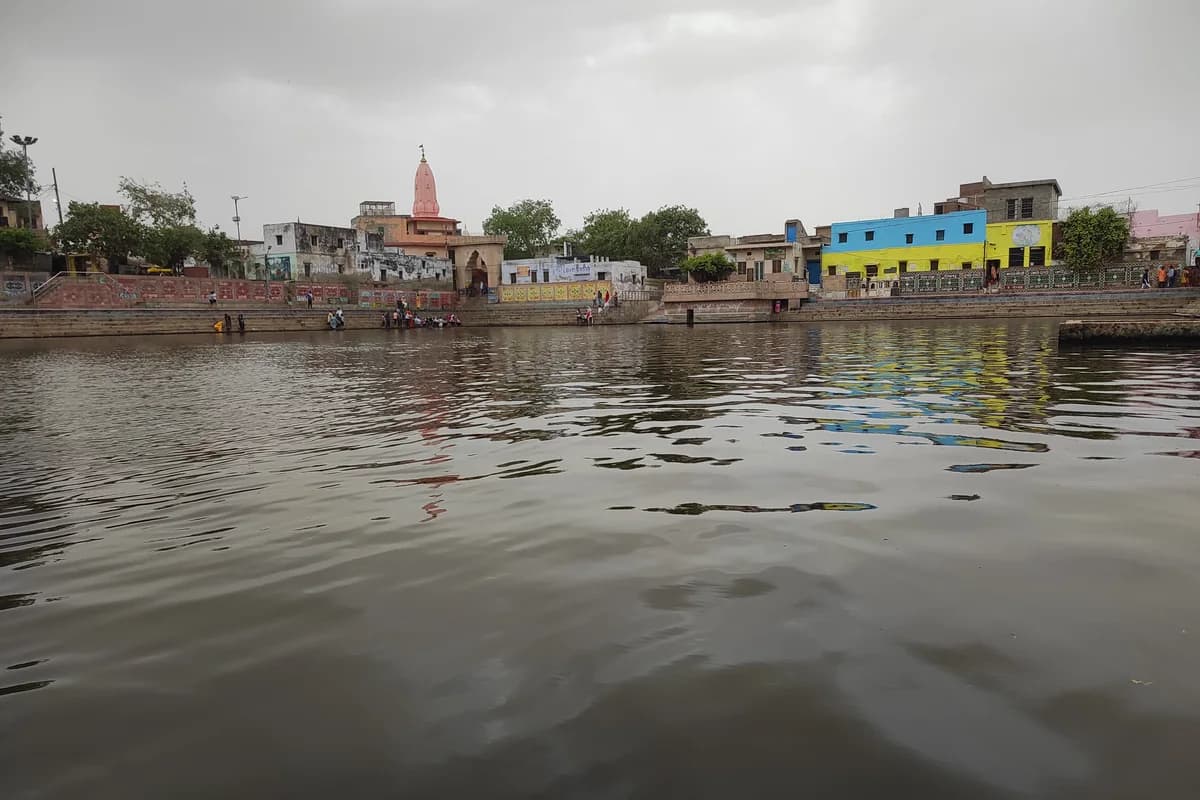
Ahoi Ashtami is a traditional fast observed by mothers on Kartik Krishna Ashtami for the longevity, health, and well-being of their children.
Akshaya Tritiya (Akha Teej)
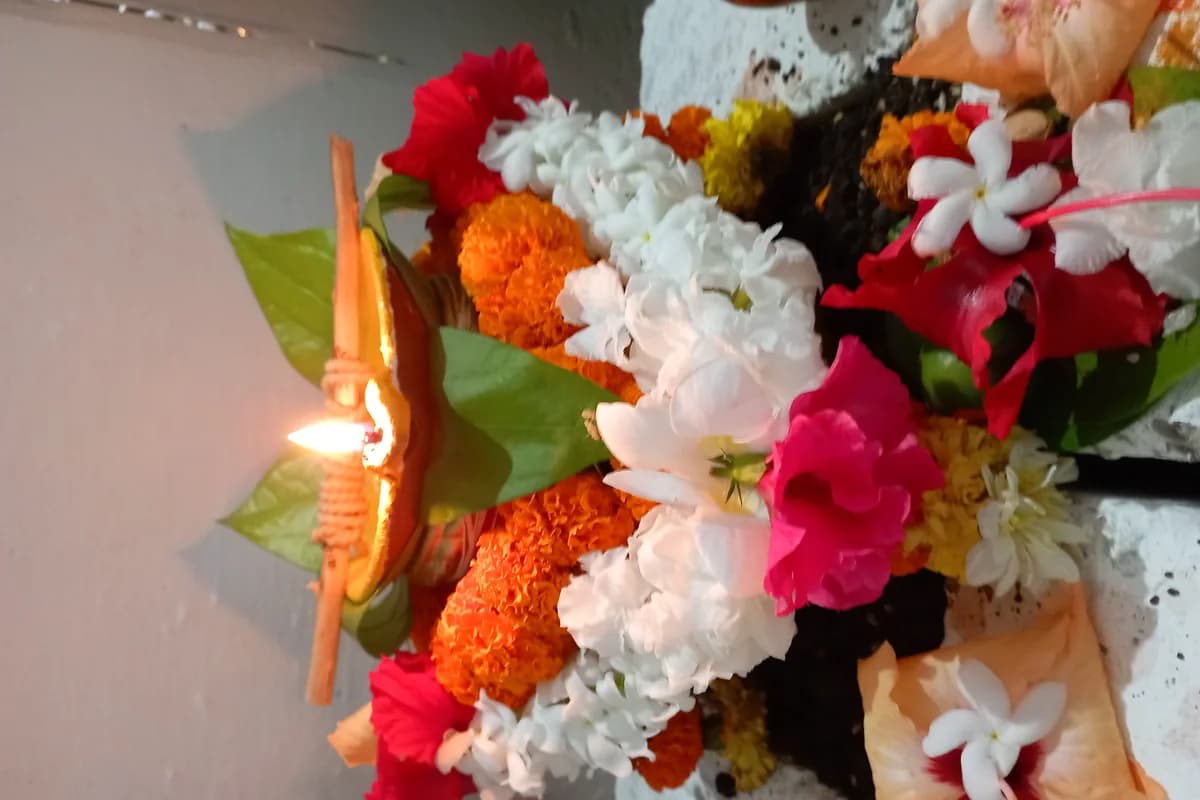
Akshaya Tritiya is an auspicious day of eternal, imperishable merit ('Akshaya'), marking the descent of River Ganga to Earth, birth of Lord Parashurama, and Kubera receiving divine wealth.
Bathukamma Floral Festival
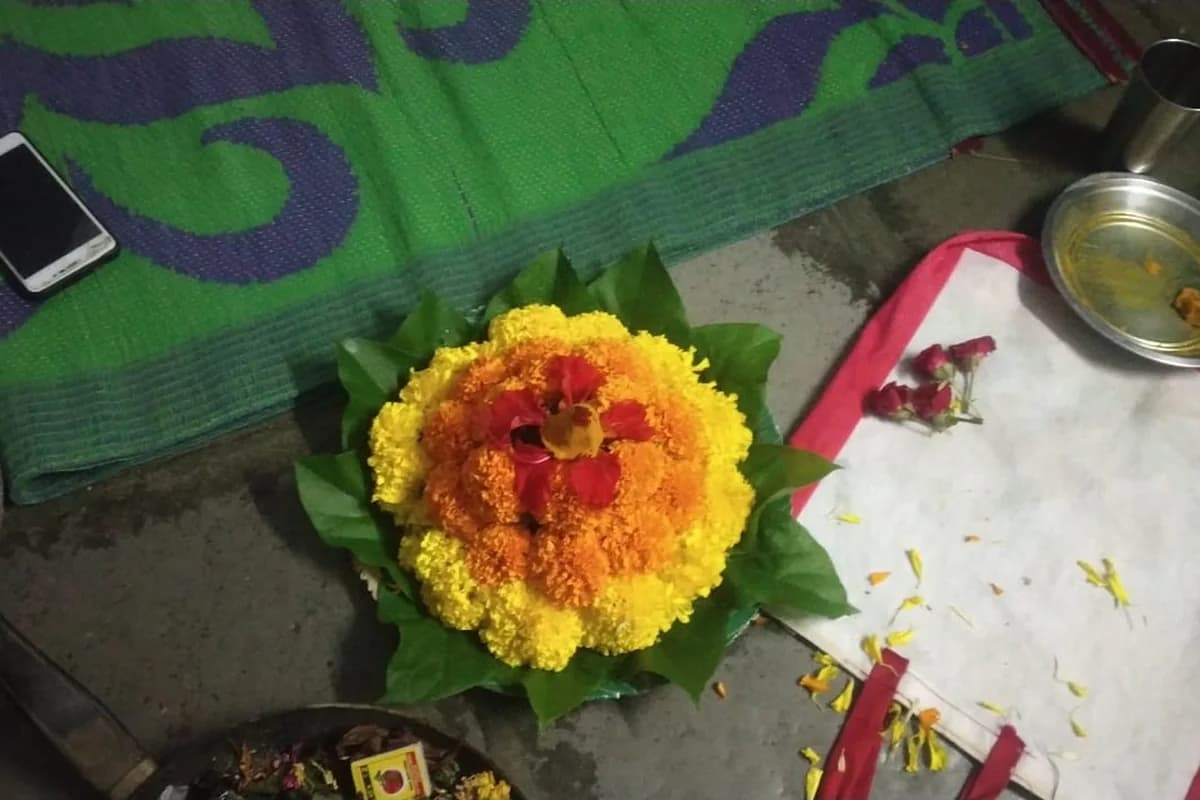
Bathukamma is Telangana's iconic 9-day floral festival celebrated by women during Sharad Navratri, worshiping Goddess Maha Gauri with concentric mounds of seasonal wildflowers.