
Deepavali (Diwali) — The Festival of Sacred Lights
Deepavali is the supreme five-day Vedic mahaparva celebrating the victory of transcendent spiritual light over cosmic obscurity, sovereign Dharma over adharma, and sacred gnosis over ignorance.
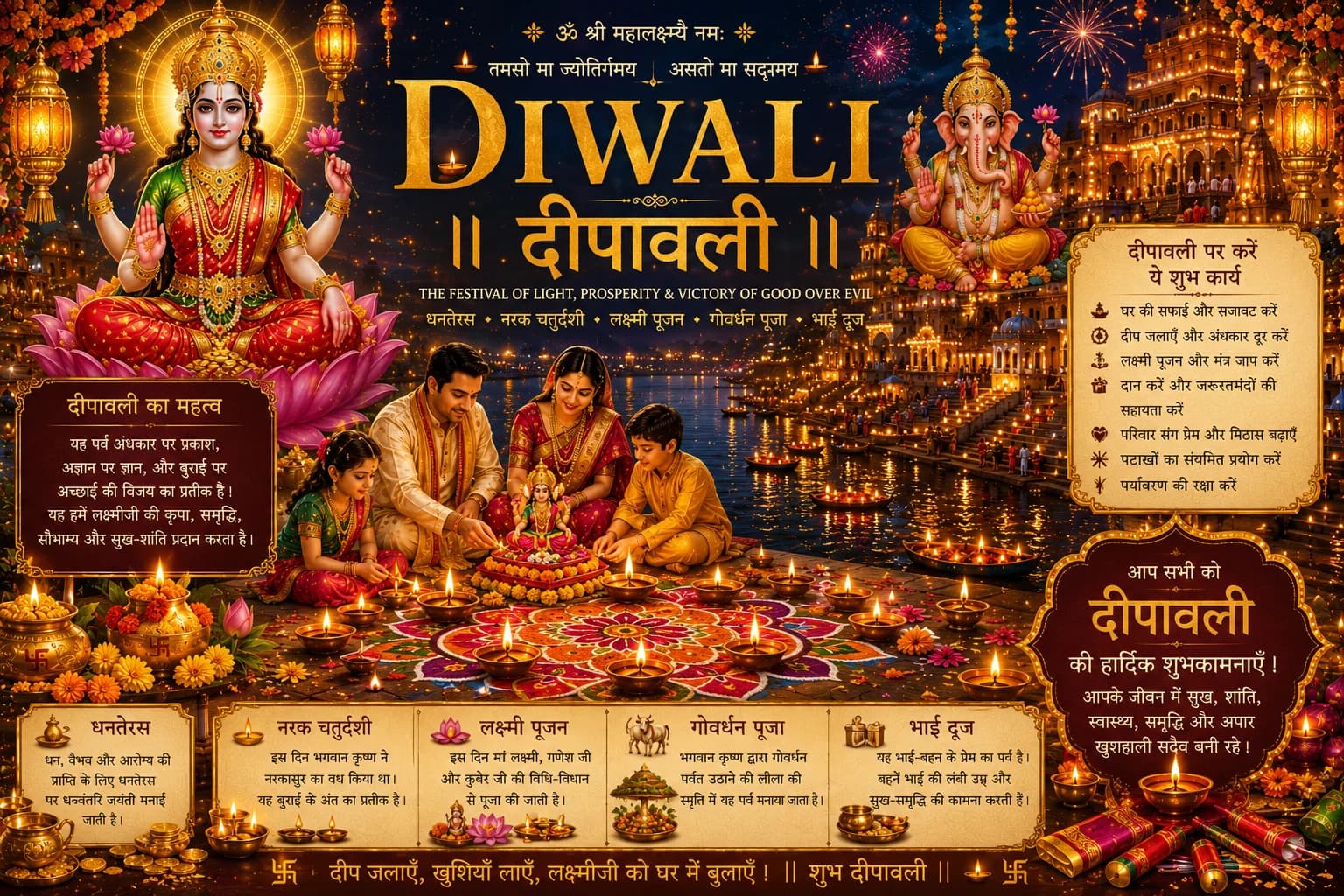 Kartik Amavasya
Lexical, Linguistic & Historical Contextऐतिहासिक समीक्षा
Deepavali is among the most extensively documented festivals in Indian textual and epigraphic history. Attested in the Nilamata Purana (6th–7th century CE, vv. 505–515 as Sukhasuptika), Emperor Harshavardhana's Nagananda (Act IV as Dipapratipadotsava), Rajashekhara's Kavyamimamsa (9th century CE as Dipamalika), Hemachandra's Deshinamamala (5.39 as Divali), and Rashtrakuta/Chalukya stone and copper-plate inscriptions (8th–12th centuries CE), it represents the pan-Indic celebration of spiritual illumination over darkness.
०१. Nirukta & Etymological Exegesisनिरुक्तम् एवं व्युत्पत्तिः
Traditional Sanskrit hermeneutic breakdown of sacred nomenclature, Paninian verbal roots (dhātu), and theological derivations:
Compound of Dīpa (an earthen lamp, light of consciousness; from verbal root dīp—to shine or illuminate) + Āvalī (a continuous row, garland, or lineage). Literally: 'A Continuous Garland of Radiant Lamps.' Evolved via Prakrit Dīvāvalī / Dīvālī into Diwali.
Classical Sanskrit designations in the Skanda Purana, Padma Purana, and Rajashekhara's Kavyamimamsa denoting the festival of rows of oil and cow-ghee lamps.
Recorded in the Nilamata Purana, Kamasutra, and Nirnayasindhu as 'The Night of Auspicious Felicity' when Goddess Mahalakshmi awakens to bless purified households.
Eastern Indian Shakta and Tantric designation honoring Maharatri Dakshina Kali during the midnight Nishitha Kaal of the Kartika new moon.
०२. Astronomical Ephemeris & Dharma-Śāstra Rulesखगोलीय निर्णयः एवं सिद्धान्तः
Observed on Kartika Krishna Amavasya in the Purnimanta calendar (Ashvina Krishna Amavasya in the Amanta calendar), when both the Sun (Surya) and Moon (Chandra) conjoin in sidereal Tula Rashi (Libra), typically intersecting Chitra or Svati Nakshatra. In Dharma-Shastra, the mandatory governing window for Mahalakshmi-Ganesha Puja, Dipamalika, and Ulka-bhramana is Pradosha Kaal (evening twilight) conjoined with the fixed Vrishabha Sthira Lagna (Taurus ascendant), while midnight (Nishitha Kaal) and Simha Sthira Lagna govern Tantric Shyama Puja and advanced Shri-Vidya sadhana.
Primary Pradosha-Vyapti Rule for Mahalakshmi Puja & Deepadana
Dharmasindhu & Nirnayasindhu (Pariccheda II, Kartika-Amavasya-Nirnayah)On Kartika Amavasya, Mahalakshmi Puja and the lighting of lamps are performed during Pradosha. The day on which Amavasya covers Pradosha is selected; if Amavasya covers Pradosha on two days or fails to touch Pradosha on either day, the second day (Para—conjoined with Shukla Pratipada) is canonical.
Sthira Lagna (Vrishabha, Simha, Kumbha) Anchoring Rule
Muhurta Chintamani & VratarajaPerforming Mahalakshmi-Ganesha-Kubera Puja during a fixed zodiacal ascendant (Sthira Lagna)—specifically Vrishabha Lagna during evening Pradosha for householders, Kumbha Lagna in the afternoon for commercial establishments, or Simha Lagna after midnight—anchors enduring prosperity (Sthira-Lakshmi) within the household.
०३. Scriptural Foundations & Puranic Hermeneuticsशास्त्रीय प्रमाणानि एवं परम्पराः
Having vanquished Ravana on Vijayadashami and completed His fourteen-year vow of forest exile, Bhagwan Shri Rama, Mata Sita, and Lakshmana returned to Ayodhya aboard the celestial Pushpaka Vimana. To welcome their beloved Lord on the dark night of Kartika Amavasya ahead of His sacred coronation (Rajyabhisheka), Bharata and the citizens of Ayodhya adorned every threshold with mango-leaf torans, jewelled rangolis, and millions of cow-ghee lamps (Manju-ghrita-dipa), illuminating both the outer capital and the inner heart with the dawn of Ramarajya.
Kartika Amavasya celebrates the cosmic manifestation of Goddess Mahalakshmi from the Ocean of Milk (Kshira-Sagara) and Her rescue by Bhagwan Vamana (Trivikrama) from the treasury of Daitya Emperor Bali. Pleased by Bali's supreme self-surrender, Lord Vishnu granted the boon that the three nights from Trayodashi to Amavasya (culminating in Bali-Pratipada) would be celebrated across the earth with lamp-offerings and charity, ensuring that wherever pure lamps burn and Dharma is upheld on this night, Mahalakshmi permanently abides and Alakshmi (discord and poverty) is banished.
At evening twilight on Kartika Amavasya, householders raise flaming torches or lamps (Ulka-bhramana) toward the sky to illuminate the return path to Pitri-loka for the ancestors who visited the earthly plane since Mahalaya Pitri-Paksha. Simultaneously, in the Shakta-Tantric stream of Eastern India, the pitch-black midnight of Kartika Amavasya (Maharatri) is consecrated to Maa Dakshina Kali—the supreme Mother who devours Kala (Time) and ego to reveal pure Cit-Shakti.
०४. Philosophical & Ayurvedic Tattvaतात्त्विक विमर्शः एवं आयुर्वेद विज्ञानम्
Adhyātmik Significance
आध्यात्मिक तात्पर्यम् · Inner MetaphysicsWhile Purnima shines with reflected solar light off the Moon (Manas), Amavasya offers complete external darkness so that the seeker must kindle the self-luminous internal flame of the Atman (Brihadaranyaka Upanishad 1.3.28: tamaso ma jyotir gamaya). In the earthen Dipa, the clay pot represents the physical body, the ghee/oil represents devotional Sneha, the cotton wick represents the ego sacrificing itself, and the flame—which always points upward (Urdhva-gati) regardless of how the lamp is tilted—teaches the soul to ascend toward Sattva. Worshiping Lord Ganesha (Viveka-Buddhi) to the left of Goddess Mahalakshmi (Shri) and alongside Sarasvati (Vidya) establishes that material prosperity becomes auspicious only when guided by discrimination and wisdom.
Ayurvedic Ṛtu-Sandhi
ऋतुसन्धि विज्ञानम् · Seasonal Bio-HarmonyAt the end of the humid post-monsoon transition into early winter (Hemanta-Arambha), airborne microbes and insects peak. Igniting millions of clay lamps fueled by pure cow ghee (Go-ghrita), sesame oil (Tila-taila), or mustard oil (Sarshapa-taila) with camphor creates warm antimicrobial vapours that purify the domestic environment.
Dietary & Fasting Science
उपवास विज्ञानम् · Metabolic & Sattvic AharaAcross North and East India, consuming Surana (Jimikand / Elephant-foot yam, Amorphophallus paeoniifolius) on Deepavali night is an Ayurvedic mandate: Bhavaprakasha Nighantu (Shaka-varga 92–94: kandanam suranah shreshthah) praises Surana as Dipana-Pacana (kindling digestive fire), Kapha-Vata-hara, and Arshoghna, counteracting the rich festive sweets of winter. Similarly, offering Laja (Kheel—puffed newly harvested paddy rice) provides a light (Laghu), cooling, and easily digestible grain praised in Charaka Samhita (Sutrasthana 27).
०५. Canonical Anuṣṭhāna Vidhi & Liturgical Orderपूजा क्रमः एवं मन्त्र विधानम्
Prescribed Canonical Samagrī (पूजोपकरणानि):
Aparahna Pitri-Vandana & Threshold Sankalpa
अपराह्ण पितृ-वन्दना एवं द्वार-अलङ्करणPerform midday homage and sattvic food offering in remembrance of the Pitris (ancestors). Adorn the main home doorway with fresh mango and Ashoka leaf torans, and draw the eight-petaled lotus (Ashtadala Padma) and inward-stepping footprints of Goddess Mahalakshmi (Lakshmi-Charana) at the threshold.
Pradosha / Vrishabha Lagna Kalasha & Ganapati-Matrika Sthapana
प्रदोष वृषभ-लग्न कलश एवं गणपति-मातृका स्थापनSeated facing East or North during the fixed Vrishabha Lagna, perform Achamana, Pranayama, and Sankalpa. Spread a red silk cloth over a raised wooden Chauki, establish the Varuna Kalasha upon a mound of grain, and first perform Shodashopachara Puja of Lord Vighnaharta Ganesha, the Shodasha-Matrikas, and the Navagrahas.
Mahalakshmi Shodashopachara Puja & Shri-Sukta Abhisheka
महालक्ष्मी षोडशोपचार पूजन एवं श्रीसूक्त अभिषेकPerform Panchamrita and Gangajal Abhisheka of the metal murti, Shri-Yantra, and ancestral silver coins while chanting the 16-verse Vedic Shri Sukta. Adorn Goddess Mahalakshmi with Sindura, red hibiscus and pink lotus flowers, Kamalagatta, yellow Kaudis, and Gomati Chakras, and offer Kheel-Batasha (Laja), sugarcane, and saffron Kheer.
Sharada / Bahi-Khata Lekhani Pujana & Ulka-Bhramana
शारदा बही-खाता लेखनी पूजन एवं उल्का-भ्रमणConsecrate account books (Bahi-Khata / Chopda), pens, and instruments of knowledge by inscribing 'Shri Ganeshaya Namah · Shubha-Labha' with Roli and saffron, invoking Goddess Mahasarasvati and Lord Kubera. Step outside holding a flaming torch or lamp (Ulka) toward the sky to illuminate the celestial path of the departing Pitris.
Akhanda-Dipa Prajvalana & Dipamalika Illumination
अखण्ड-दीप प्रज्वलन एवं दीपमालिका स्थापनLight the central Akhanda Cow-Ghee Dipa before Goddess Mahalakshmi (keeping it burning through the entire night). From its flame, ignite the rows of clay oil Diyas, placing the first lamps at the altar, Tulasi Vrindavana, kitchen, water source, nearby temple, Pipal tree, and along every parapet and doorway threshold.
Vrat Pāraṇ Canonical Rule (पारण निर्णयः)
Householders observing the daytime Amavasya fast perform Parana at night after completing the Pradosha / Vrishabha Lagna Mahalakshmi-Ganesha Puja and Dipamalika illumination, partaking of the consecrated Kheel-Batasha Prasad and the traditional sattvic dinner featuring Surana (Jimikand).
०६. Regional Living Traditions & Ethnographyक्षेत्रीय परम्पराः एवं लोकसंस्कृतिः
Along the Sarayu River at Ram Ki Paidi in Ayodhya, millions of earthen Diyas celebrate Bhagwan Shri Rama's homecoming. Households worship new clay murtis of Lakshmi-Ganesha with Kheel-Batasha, sugar toys (Khilauna), and sugarcane stalks, and serve mandatory Jimikand (Surana) curry at the night feast.
Marks the culmination of the Vikram Samvat commercial year on the eve of Bestu Varas. Families and merchants perform Chopda Pujan (Sharda Pujan), inscribing red vermilion Sathiya (Swastika) and 'Shri 1| · Shubha · Labha' in new account ledgers during auspicious Choghadiya and Sthira Lagna windows.
Performed during Pradosha with offerings of Lahya-Batasha and Dhane-Gul to Mahalakshmi, Lord Kubera, and a consecrated new broom (Lakshmi-Kerani). At midnight, women beat a winnowing basket (Supa) to symbolically drive Alakshmi (sloth and poverty) out of the home.
Celebrated as Maharatri Shyama Puja: clay images of Maa Dakshina Kali are worshiped from midnight until dawn with red hibiscus garlands, Chandi-patha, and Shyama Sangit (as at Dakshineswar and Tarapith). In Odisha, families burn sacred jute sticks (Kaunriya Kathi) at dusk in the Badabadua Daka rite to guide ancestors back to heaven.
Following the grand dawn celebrations of Naraka Chaturdashi the day prior, Amavasya is observed as Kedara Gauri Vratam—honoring the Ardhanarishvara union of Shiva and Gauri with 21-knotted sacred threads (Nombu Kayiru) and 21 Adhirasams—alongside evening Dhanalakshmi Puja.
At Sri Harmandir Sahib (Amritsar), Bandi Chhor Divas commemorates Guru Hargobind Sahib Ji's 1619 CE return after freeing 52 kings from Gwalior Fort. In Jainism, Kartika Amavasya dawn marks the Nirvana Kalyanak of 24th Tirthankara Bhagwan Mahavira (527 BCE) at Pawapuri (Kalpa Sutra 128).
०७. Critical Bibliography & Textual Witnessesग्रन्थसूची एवं प्रमाणग्रन्थाः
Primary Sanskrit Texts (मूलसंस्कृतग्रन्थाः)
- Vālmīki Rāmāyaṇa — Yuddha Kāṇḍa, Sargas 125–128 (Śrī-Rāma-Ayodhyā-Pratyāgamana & Rājyābhiṣeka) (Critical Edition, Oriental Institute, Vadodara).
- Ṛgveda-Khilāni (Śrī Sūkta) — Maṇḍala V, Khila 87, with the commentary of Sāyaṇācārya (Vaidika Samshodhana Mandala, Pune).
- Skanda Purāṇa — Vaiṣṇava Khaṇḍa, Kārtika-Māhātmya, Adhyāyas 9–11 (Dīpadāna, Ulkā-bhramaṇa & Lakṣmī-Pūjā-Vidhiḥ).
- Padma Purāṇa — Uttara Khaṇḍa, Adhyāyas 122 & 242 (Dīpāvalī-Māhātmyam) (Anandashrama Sanskrit Series, Pune).
- Nīlamata Purāṇa (6th–7th century CE) — Verses 505–515 (Sukhasuptikā / Kārtika-Amāvasyā-Dīpamālā-Vidhiḥ, ed. Ved Kumari Ghai).
- Nirṇayasindhu of Kamalākara Bhaṭṭa (1612 CE) — Pariccheda II, Kārtika-kṛṣṇa-amāvasyā-dīpāvalī-nirṇayaḥ (Nirnaya Sagar Press, Mumbai).
- Dharmasindhu of Kāśīnātha Upādhyāya (1790 CE) — Pariccheda II, Darśa-śrāddha-lakṣmīpūjā-ulkābhramaṇa-prakaraṇam.
- Bṛhat Tantrasāra of Kṛṣṇānanda Āgamavāgīśa — Dīpānvitā-Dakṣiṇākālī-Pūjā-Paddhatiḥ (Kolkata).
Secondary Indological Scholarship (शोधग्रन्थाः)
- Kane, Pandurang Vaman. History of Dharmaśāstra, Vol. V, Part I, Chapter X: 'Dīpāvalī — Antiquity, Epigraphic References, Lakṣmī-pūjana, and Ulkā-bhramaṇa,' pp. 194–205. BORI, Pune, 1958.
- Gode, P.K. Studies in Indian Cultural History, Vol. II (Chapters on the History and Antiquity of Diwali from 500 BCE to 1800 CE). VVRI, Hoshiarpur, 1960.
- McDermott, Rachel Fell. Mother of My Heart, Daughter of My Dreams: Kālī and Umā in the Devotional Poetry of Bengal. Oxford University Press, 2001.
- Pintchman, Tracy. Guests at God's Wedding: Celebrating Kartik among the Women of Benares. SUNY Press, 2005.
Frequently Asked Questions
How is the observance date of Deepavali (Diwali) — The Festival of Sacred Lights determined?
In Vedic astronomical calculations, Deepavali (Diwali) — The Festival of Sacred Lights is observed on Kartik Amavasya. Because Hindu calendar days begin with local sunrise (Surya Udaya), exact puja timings (Muhurta) depend on when the auspicious Tithi prevails in your specific geographical location.
Are there fasting (Vrat) guidelines associated with this festival?
Fasting practices vary across families and sampradayas. Common observances range from Phalahar (consuming fruits and milk), fasting until twilight pradosh kaal, to a complete waterless vigil (nirjala). Seekers observe according to personal health and lineage traditions.
What is the core spiritual significance behind this celebration?
Deepavali is the supreme five-day Vedic mahaparva celebrating the victory of transcendent spiritual light over cosmic obscurity, sovereign Dharma over adharma, and sacred gnosis over ignorance. Celebrating this holy day fosters familial gratitude, charitable sharing (Danam), and attunement with cosmic solar and lunar cycles.
How do regional customs differ across India?
Sanatan Dharma embraces rich regional diversity. While core Vedic mantras and reverence for the divine remain universal, local celebrations reflect distinct linguistic hymns, traditional culinary offerings, and cultural expressions.
Related Festivals & Observances
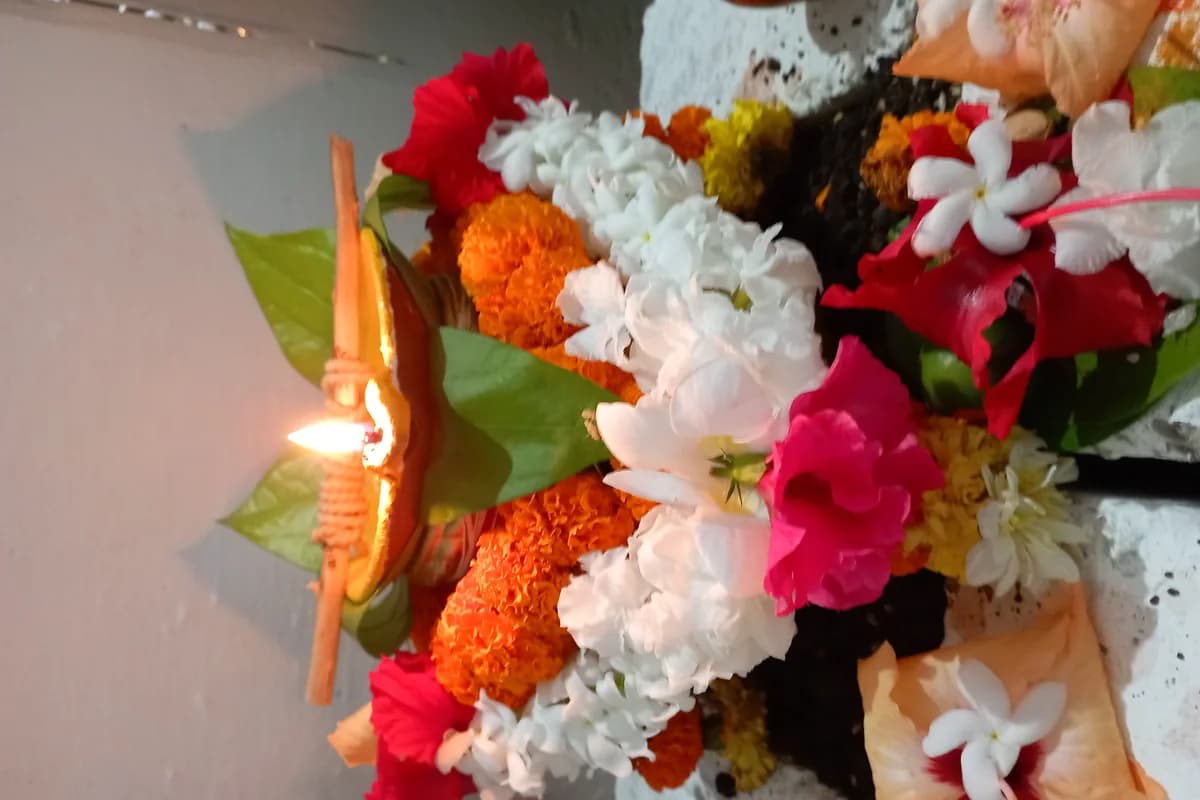
Akshaya Tritiya (Akha Teej)
Akshaya Tritiya is an auspicious day of eternal, imperishable merit ('Akshaya'), marking the descent of River Ganga to Earth, birth of Lord Parashurama, and Kubera receiving divine wealth.
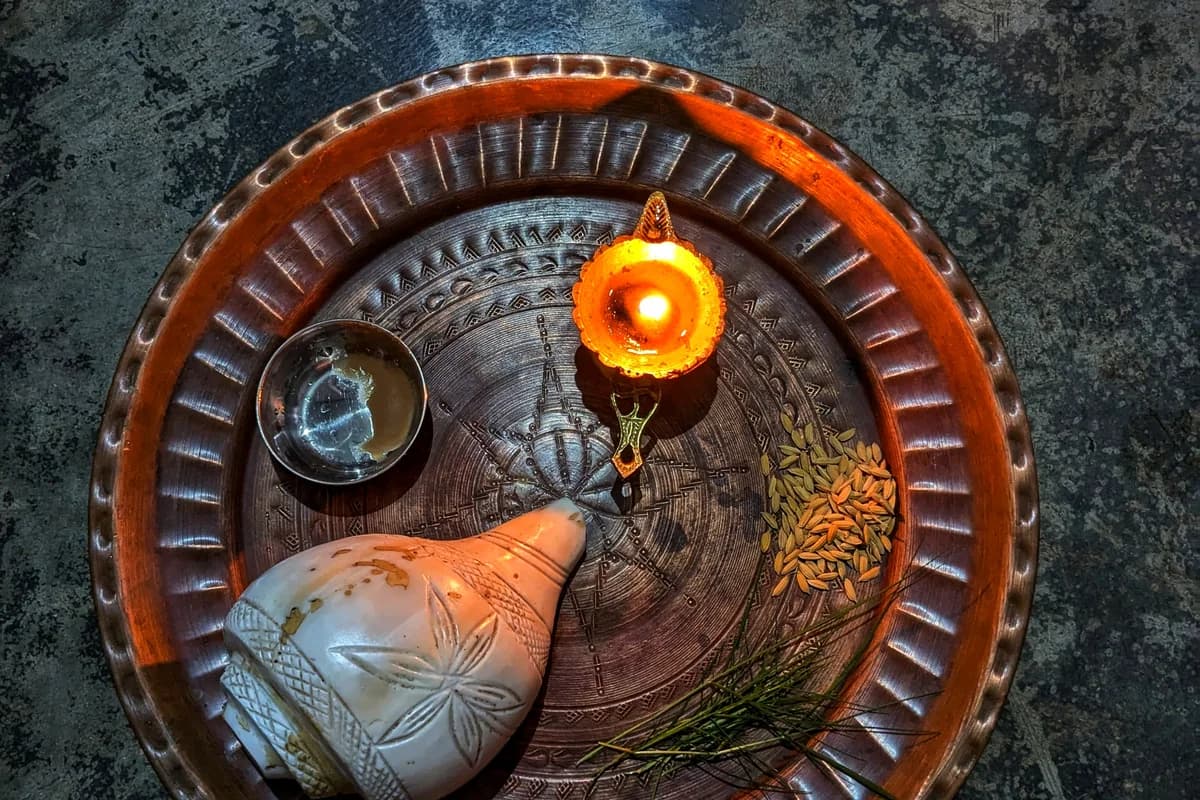
Bhai Dooj (Yama Dwitiya)
Bhai Dooj concludes the 5-day Diwali festival, celebrating the eternal bond between brother and sister inspired by Goddess Yamuna welcoming Her brother Lord Yama.
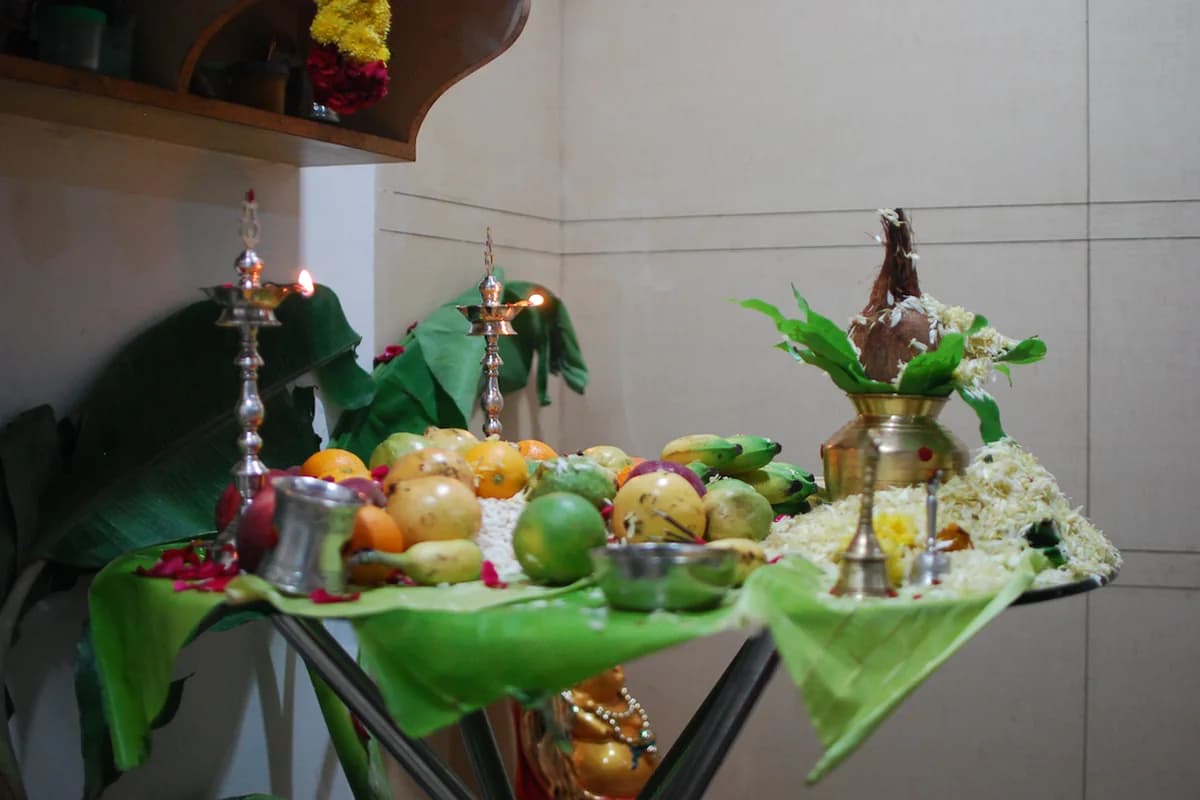
Chaitra Navratri (Vasant Navratri)
Chaitra Navratri marks the spring 9-night adoration of Goddess Durga, beginning on the Hindu New Year (Chaitra Pratipada) and culminating in Shri Ram Navami.