
Govardhan Puja (Annakut)
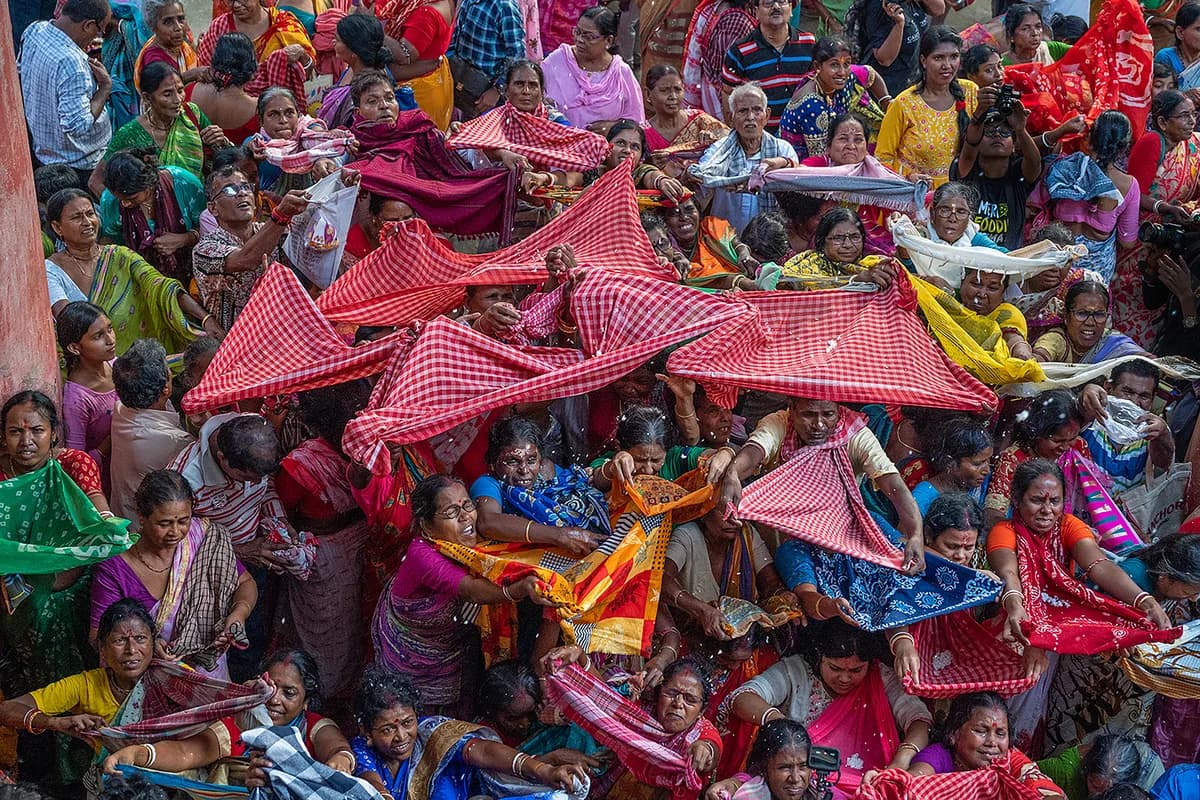
Govardhan Puja celebrates Lord Krishna lifting the Govardhan Hill on His pinky finger for 7 days to protect the cows and inhabitants of Vrindavan from Lord Indra's torrential storm.
 Pratipada (1st Lunar Tithi)
Lexical, Linguistic & Historical Contextऐतिहासिक समीक्षा
In classical Sanskrit texts—such as the Srimad Bhagavata Purana (Skandha 10, Adhyayas 24–25), Vishnu Purana (5.10–12), Garga Samhita, and Hemadri's Chaturvargachintamani—Govardhan Puja marks the historic socio-religious transition from propitiating sky deities like Indra for weather control to honoring immanent ecological systems (mountains, rivers, forests, and cattle) that directly sustain human life.
०१. Nirukta & Etymological Exegesisनिरुक्तम् एवं व्युत्पत्तिः
Traditional Sanskrit hermeneutic breakdown of sacred nomenclature, Paninian verbal roots (dhātu), and theological derivations:
Compound of Go (cows, senses, and the divine earth) + Vardhana (that which nourishes, multiplies, and uplifts). Literally: 'The Worship of Govardhan Hill—the Ultimate Nourisher of Cows, Nature, and Devotion.'
Compound of Anna (cooked food, grains, nature's bounty) + Kūṭa (a massive peak, heap, or mountain). Literally: 'The Mountain of Food,' symbolizing the monumental offering of 56 varieties (Chappan Bhog).
Commemorates the coronation and boon granted to the noble Daitya Emperor Bali by Bhagwan Vamana on the first lunar day (Pratipada) of Kartika Shukla Paksha.
०२. Astronomical Ephemeris & Dharma-Śāstra Rulesखगोलीय निर्णयः एवं सिद्धान्तः
Observed on Kartika Shukla Pratipada (the first lunar day of the bright fortnight following Deepavali Amavasya). Pratipada prevailing at local sunrise governs Govardhan Puja, Annakut, and Bali Pratipada according to the Nirnayasindhu and Dharmasindhu.
Udaya-Vyapti Rule for Govardhan Puja & Annakut
Dharmasindhu & Nirnayasindhu (Pariccheda II, Kartika-Shukla-Pratipada-Nirnayah)Govardhan Puja and Annakut are performed on Kartika Shukla Pratipada governed by sunrise (Udaya-Vyapti).
०३. Scriptural Foundations & Puranic Hermeneuticsशास्त्रीय प्रमाणानि एवं परम्पराः
When young Krishna persuaded the cowherds of Vraja to cease propitiating Indra and instead worship Govardhan Hill and their cows, an enraged Indra unleashed torrential storms upon Vraja. Krishna effortlessly lifted Govardhan Hill on the little finger of His left hand for seven days and nights, shielding all inhabitants until Indra surrendered and worshiped Him.
०४. Philosophical & Ayurvedic Tattvaतात्त्विक विमर्शः एवं आयुर्वेद विज्ञानम्
Adhyātmik Significance
आध्यात्मिक तात्पर्यम् · Inner MetaphysicsGovardhan Puja establishes that the Divine is immanent in nature (mountains, rivers, forests, and cattle) rather than sequestered in a remote heaven. Lifting Govardhan symbolizes that honoring and protecting our ecological sanctuary uplifts humanity above all existential storms.
Ayurvedic Ṛtu-Sandhi
ऋतुसन्धि विज्ञानम् · Seasonal Bio-HarmonyTransitioning into early winter (Hemanta), preparing the massive Annakut feast of 56 items (Chappan Bhog) using warm spices, ghee, and seasonal harvests kindles digestive Agni and celebrates agricultural gratitude.
Dietary & Fasting Science
उपवास विज्ञानम् · Metabolic & Sattvic AharaOffering wholesome vegetarian sattvic preparations balances the nutritional requirements of the body as cold weather begins.
०५. Canonical Anuṣṭhāna Vidhi & Liturgical Orderपूजा क्रमः एवं मन्त्र विधानम्
Prescribed Canonical Samagrī (पूजोपकरणानि):
Govardhana-Gomaya Pratima Sthapana
गोवर्धन-गोमय प्रतिमा स्थापनाConstruct an image or mound representing Govardhan Hill using fresh cow dung and mud in the courtyard, adorning it with flowers and earthen lamps.
Go-Puja & Parikrama
गो-पूजा एवं परिक्रमाWash, anoint, and garland cows and calves, offering them fresh fodder and jaggery, followed by circumambulation (Parikrama) around the Govardhan mound.
Annakut Naivedyam & Prarthana
अन्नकूट नैवेद्य एवं प्रार्थनाOffer the massive Annakut feast of 56 items to Govardhan Hill while chanting the Govardhana Prarthana Mantra.
Vrat Pāraṇ Canonical Rule (पारण निर्णयः)
Partake of the consecrated Annakut Prasad with family and community following the midday Puja.
०६. Regional Living Traditions & Ethnographyक्षेत्रीय परम्पराः एवं लोकसंस्कृतिः
Millions perform the 21-kilometer Govardhan Hill circumambulation (Parikrama) and witness massive Annakut celebrations at Banke Bihari and Giriraj temples.
Gujarati New Year (Bestu Varas) celebrated with Annakut darshan at Swami Narayan and Vallabhacharya temples across Ahmedabad and Surat.
०७. Critical Bibliography & Textual Witnessesग्रन्थसूची एवं प्रमाणग्रन्थाः
Primary Sanskrit Texts (मूलसंस्कृतग्रन्थाः)
- Śrīmad Bhāgavata Mahāpurāṇa — Skandha 10, Adhyāyas 24 & 25 (Gita Press, Gorakhpur).
- Viṣṇu Purāṇa — Pañcama Aṃśa, Adhyāyas 10–12.
- Nirṇayasindhu & Dharmasindhu — Kārtika Shukla Pratipada Nirnaya.
Secondary Indological Scholarship (शोधग्रन्थाः)
- Kane, Pandurang Vaman. History of Dharmaśāstra, Vol. V, Part I.
- Entwistle, Alan W. Braj: Centre of Krishna Pilgrimage.
Frequently Asked Questions
How is the observance date of Govardhan Puja (Annakut) determined?
In Vedic astronomical calculations, Govardhan Puja (Annakut) is observed on Pratipada (1st Lunar Tithi). Because Hindu calendar days begin with local sunrise (Surya Udaya), exact puja timings (Muhurta) depend on when the auspicious Tithi prevails in your specific geographical location.
Are there fasting (Vrat) guidelines associated with this festival?
Fasting practices vary across families and sampradayas. Common observances range from Phalahar (consuming fruits and milk), fasting until twilight pradosh kaal, to a complete waterless vigil (nirjala). Seekers observe according to personal health and lineage traditions.
What is the core spiritual significance behind this celebration?
Govardhan Puja celebrates Lord Krishna lifting the Govardhan Hill on His pinky finger for 7 days to protect the cows and inhabitants of Vrindavan from Lord Indra's torrential storm. Celebrating this holy day fosters familial gratitude, charitable sharing (Danam), and attunement with cosmic solar and lunar cycles.
How do regional customs differ across India?
Sanatan Dharma embraces rich regional diversity. While core Vedic mantras and reverence for the divine remain universal, local celebrations reflect distinct linguistic hymns, traditional culinary offerings, and cultural expressions.
Related Festivals & Observances
Ahoi Ashtami
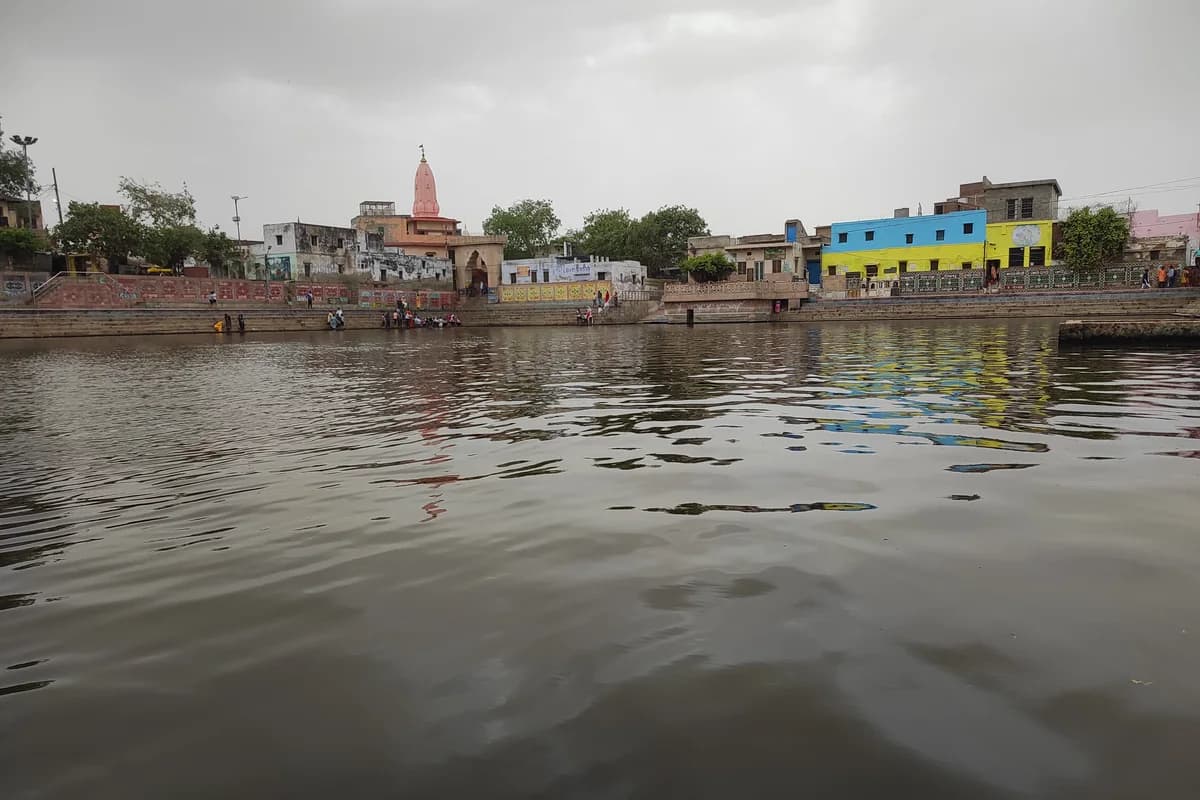
Ahoi Ashtami is a traditional fast observed by mothers on Kartik Krishna Ashtami for the longevity, health, and well-being of their children.
Akshaya Tritiya (Akha Teej)
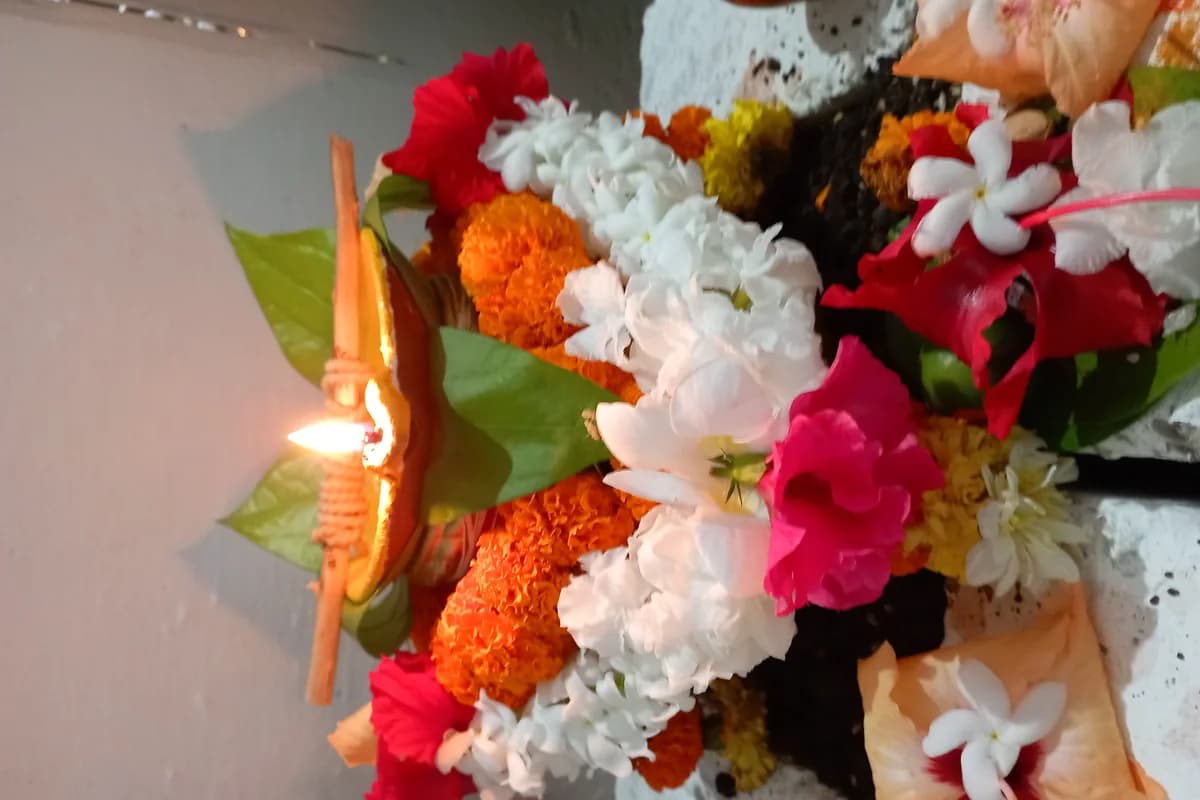
Akshaya Tritiya is an auspicious day of eternal, imperishable merit ('Akshaya'), marking the descent of River Ganga to Earth, birth of Lord Parashurama, and Kubera receiving divine wealth.
Bathukamma Floral Festival
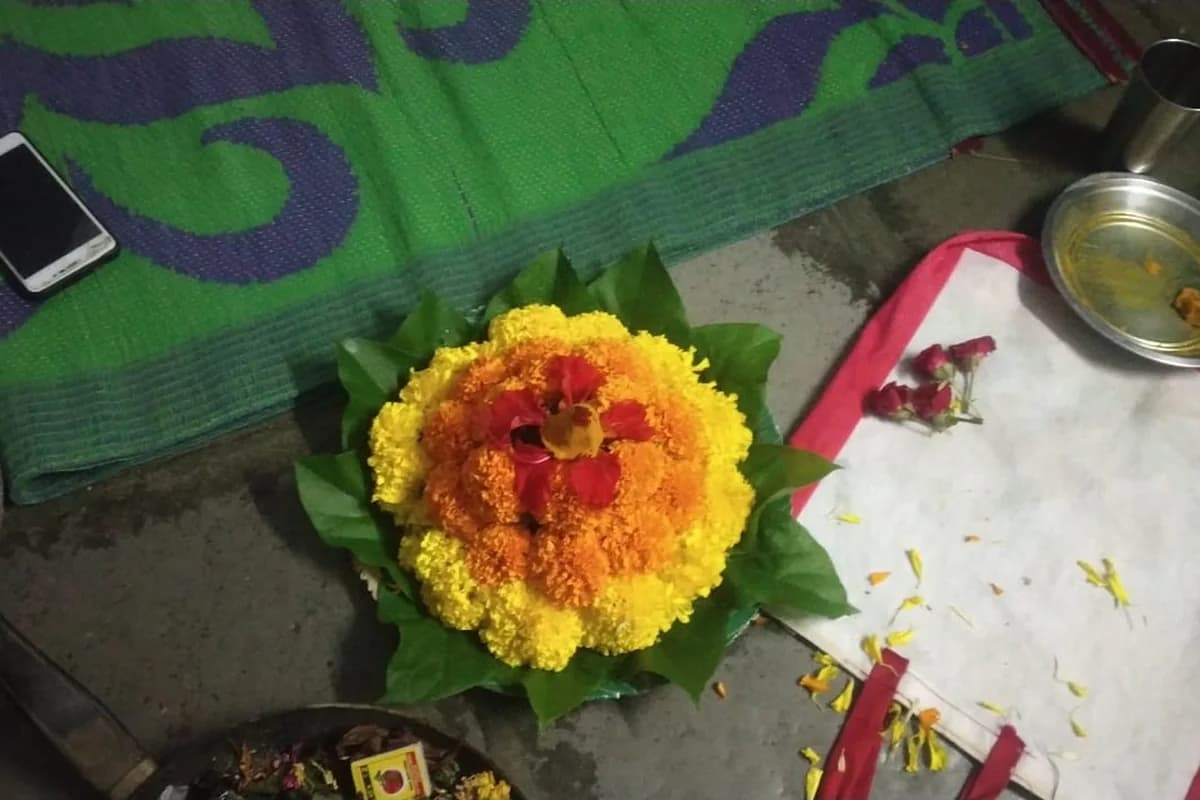
Bathukamma is Telangana's iconic 9-day floral festival celebrated by women during Sharad Navratri, worshiping Goddess Maha Gauri with concentric mounds of seasonal wildflowers.